

Parametry
Więcej o książce
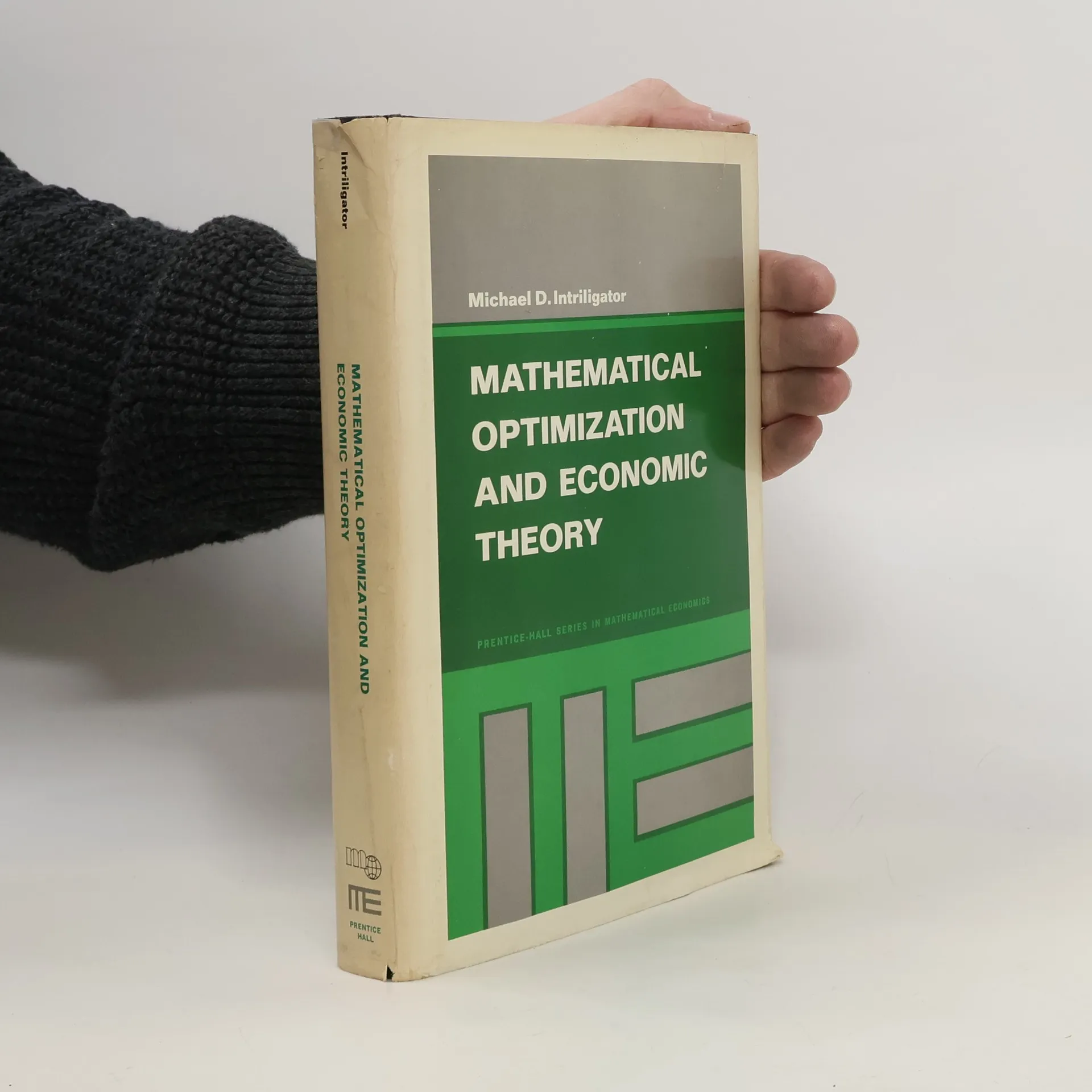
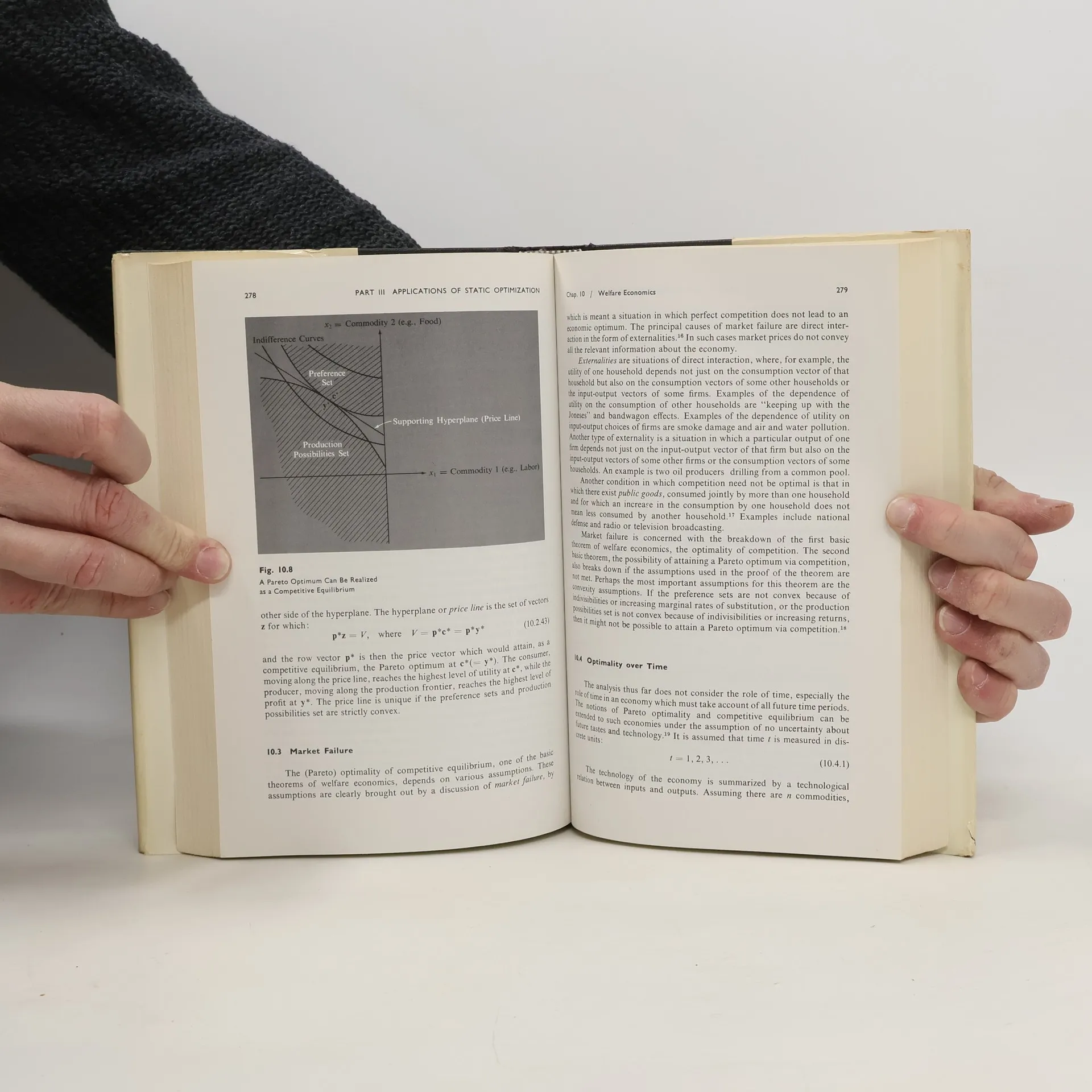
Mathematical Optimization and Economic Theory provides a self-contained introduction to and survey of mathematical programming and control techniques and their applications to static and dynamic problems in economics, respectively. It is distinctive in showing the unity of the various approaches to solving problems of constrained optimization that all stem back directly or indirectly to the method of Lagrange multipliers. In the 30 years since its initial publication, there have been many more applications of these mathematical techniques in economics, as well as some advances in the mathematics of programming and control. Nevertheless, the basic techniques remain the same today as when the book was originally published. Thus, it continues to be useful not only to its original audience of advanced undergraduate and graduate students in economics, but also to mathematicians and other researchers who are interested in learning about the applications of the mathematics of optimization to economics.
Zakup książki
Mathematical Optimization and Economic Theory, Michael D. Intriligator
- Język

- Rok wydania
- 1971
- Oprawa
- (twarda)
Metody płatności
Nikt jeszcze nie ocenił.
- Tytuł
- Mathematical Optimization and Economic Theory
- Język
- angielski
- Autorzy
- Michael D. Intriligator
- Wydawca
- Pearson College
- Rok wydania
- 1971
- Oprawa
- twarda
- Seria
- Kategorie
- Tagi
- Biznes
- Opis
- Mathematical Optimization and Economic Theory provides a self-contained introduction to and survey of mathematical programming and control techniques and their applications to static and dynamic problems in economics, respectively. It is distinctive in showing the unity of the various approaches to solving problems of constrained optimization that all stem back directly or indirectly to the method of Lagrange multipliers. In the 30 years since its initial publication, there have been many more applications of these mathematical techniques in economics, as well as some advances in the mathematics of programming and control. Nevertheless, the basic techniques remain the same today as when the book was originally published. Thus, it continues to be useful not only to its original audience of advanced undergraduate and graduate students in economics, but also to mathematicians and other researchers who are interested in learning about the applications of the mathematics of optimization to economics.