



Więcej o książce
New textbooks at all levels of chemistry appear with great regularity. Some fields like basic biochemistry, organic reaction mechanisms, and chemical thermodynamics are well represented by many excellent texts, and new or revised editions are published sufficiently often to keep up with progress in research. However, some areas of chemistry, especially many of those taught at the graduate level, suffer from a real lack of up-to-date textbooks. The most serious needs occur in fields that are rapidly changing. Textbooks in these subjects usually have to be written by scientists actually involved in the research which is advancing the field. It is not often easy to persuade such individuals to set time aside to help spread the knowledge they have accumulated. Our goal, in this series, is to pinpoint areas of chemistry where recent progress has outpaced what is covered in any available textbooks, and then seek out and persuade experts in these fields to produce relatively concise but instructive introductions to their fields. These should serve the needs of one semester or one quarter graduate courses in chemistry and biochemistry. In some cases the availability of texts in active research areas should help stimulate the creation of new courses.
Zakup książki
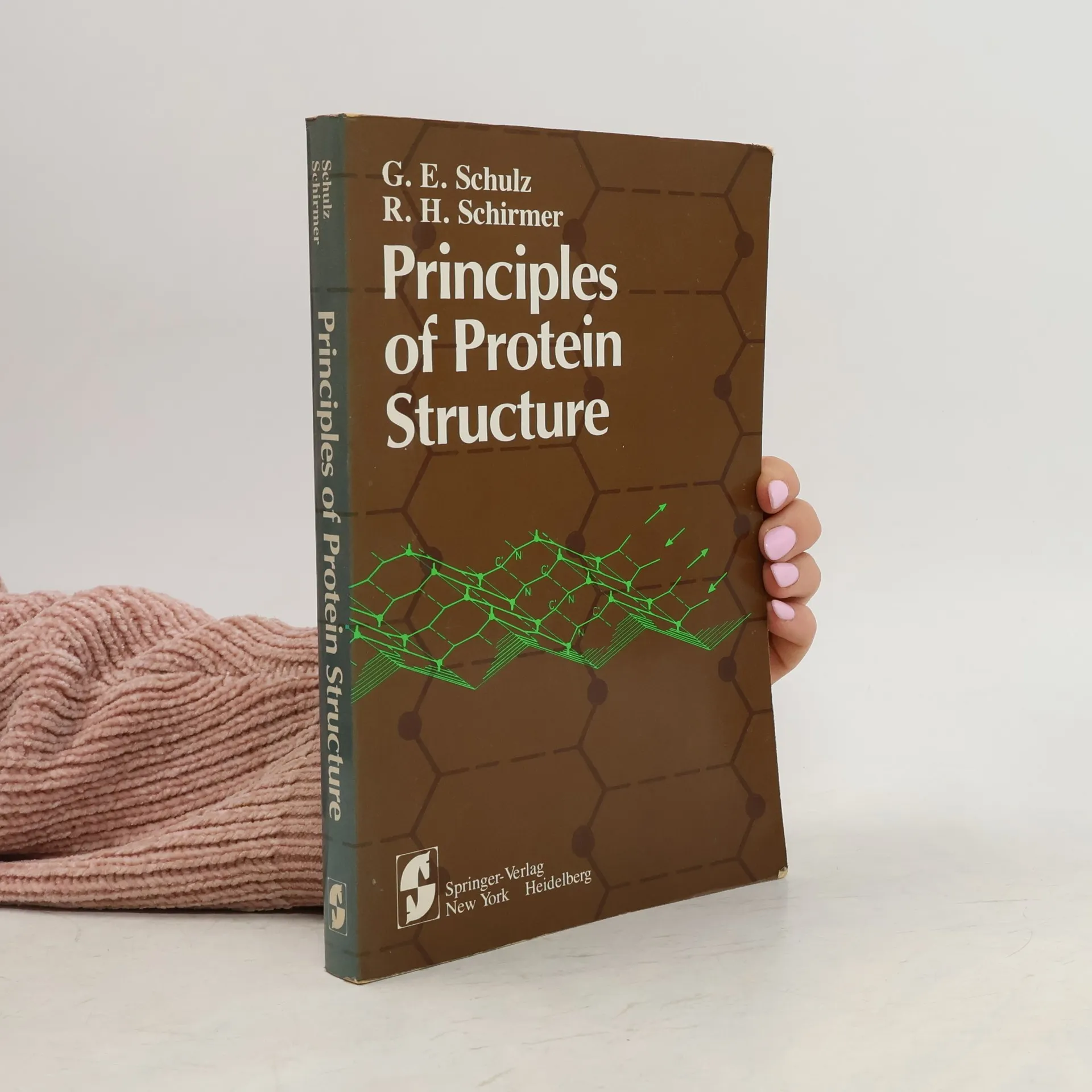
Principles of Protein Structure, Rolf Heiner Schirmer, Georg E Schulz
- Język

- Rok wydania
- 1979
- Oprawa
- (miękka)
Metody płatności
Brakuje nam tutaj Twojej recenzji.
- Tytuł
- Principles of Protein Structure
- Język
- angielski
- Autorzy
- Rolf Heiner Schirmer, Georg E Schulz
- Wydawca
- Springer
- Rok wydania
- 1979
- Oprawa
- miękka
- Liczba stron
- 336
- ISBN10
- 0387903348
- ISBN13
- 9780387903347
- Seria
- Ocena
- 2,5 z 5
- Opis
- New textbooks at all levels of chemistry appear with great regularity. Some fields like basic biochemistry, organic reaction mechanisms, and chemical thermodynamics are well represented by many excellent texts, and new or revised editions are published sufficiently often to keep up with progress in research. However, some areas of chemistry, especially many of those taught at the graduate level, suffer from a real lack of up-to-date textbooks. The most serious needs occur in fields that are rapidly changing. Textbooks in these subjects usually have to be written by scientists actually involved in the research which is advancing the field. It is not often easy to persuade such individuals to set time aside to help spread the knowledge they have accumulated. Our goal, in this series, is to pinpoint areas of chemistry where recent progress has outpaced what is covered in any available textbooks, and then seek out and persuade experts in these fields to produce relatively concise but instructive introductions to their fields. These should serve the needs of one semester or one quarter graduate courses in chemistry and biochemistry. In some cases the availability of texts in active research areas should help stimulate the creation of new courses.