

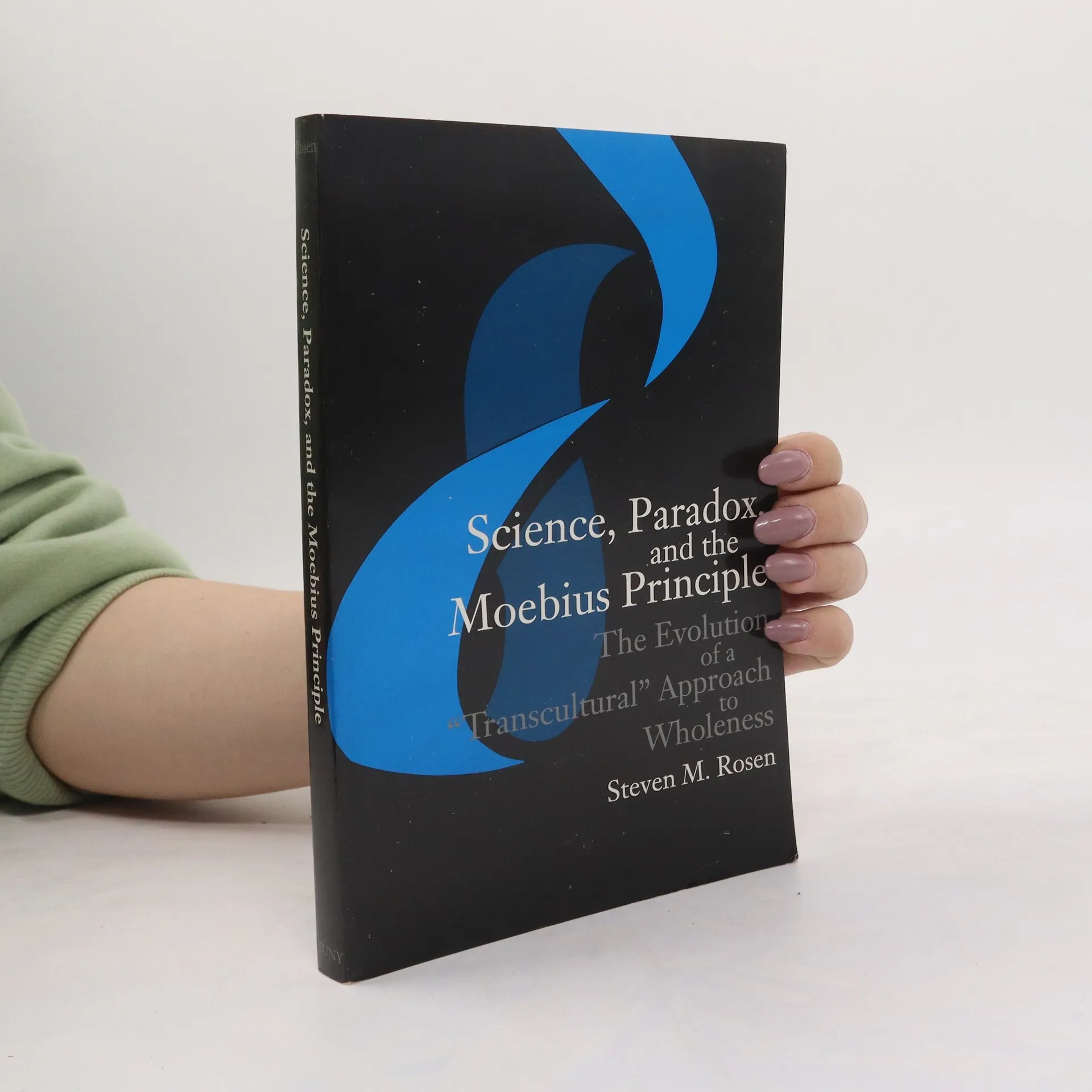


Science, Paradox, and the Moebius Principle
The Evolution of a "Transcultural" Approach to Wholeness
Autorzy
Ocena książki
Więcej o książce
Science, Paradox, and the Moebius Principle confronts basic anomalies in the foundations of contemporary knowledge. Steven M. Rosen deals with paradoxes that call into question our conventional way of thinking about space, time, and the nature of human experience. Rosen's contribution is unique in at least five respects: 1) He provides an unparalleled integration of modern theoretical science and contemporary phenomenological thought. 2) He features a section of dialogue with David Bohm, who contributed greatly in fields of major concern to the book. 3) He sets forth a process theory and philosophy, presenting a concept in which space, time, and consciousness undergo a continuous internal transformation and organic growth. 4) He furnishes a highly specific account of dialectical change, employing geometric forms that bring the dynamics of paradox into focus with unprecedented clarity. 5) He is transdisciplinary and provides transcultural bridges between the "two cultures" of science and the humanities.
Zakup książki
Science, Paradox, and the Moebius Principle, Steven M. Rosen
- Język

- Rok wydania
- 1994
- Oprawa
- (miękka)
Metody płatności
Brakuje nam tutaj Twojej recenzji.
- Tytuł
- Science, Paradox, and the Moebius Principle
- Podtytuł
- The Evolution of a "Transcultural" Approach to Wholeness
- Język
- angielski
- Autorzy
- Steven M. Rosen
- Wydawca
- SUNY Press
- Rok wydania
- 1994
- Oprawa
- miękka
- Liczba stron
- 348
- ISBN10
- 0791417700
- ISBN13
- 9780791417706
- Seria
- Tagi
- Nauka
- Ocena
- 3 z 5
- Opis
- Science, Paradox, and the Moebius Principle confronts basic anomalies in the foundations of contemporary knowledge. Steven M. Rosen deals with paradoxes that call into question our conventional way of thinking about space, time, and the nature of human experience. Rosen's contribution is unique in at least five respects: 1) He provides an unparalleled integration of modern theoretical science and contemporary phenomenological thought. 2) He features a section of dialogue with David Bohm, who contributed greatly in fields of major concern to the book. 3) He sets forth a process theory and philosophy, presenting a concept in which space, time, and consciousness undergo a continuous internal transformation and organic growth. 4) He furnishes a highly specific account of dialectical change, employing geometric forms that bring the dynamics of paradox into focus with unprecedented clarity. 5) He is transdisciplinary and provides transcultural bridges between the "two cultures" of science and the humanities.