

Więcej o książce
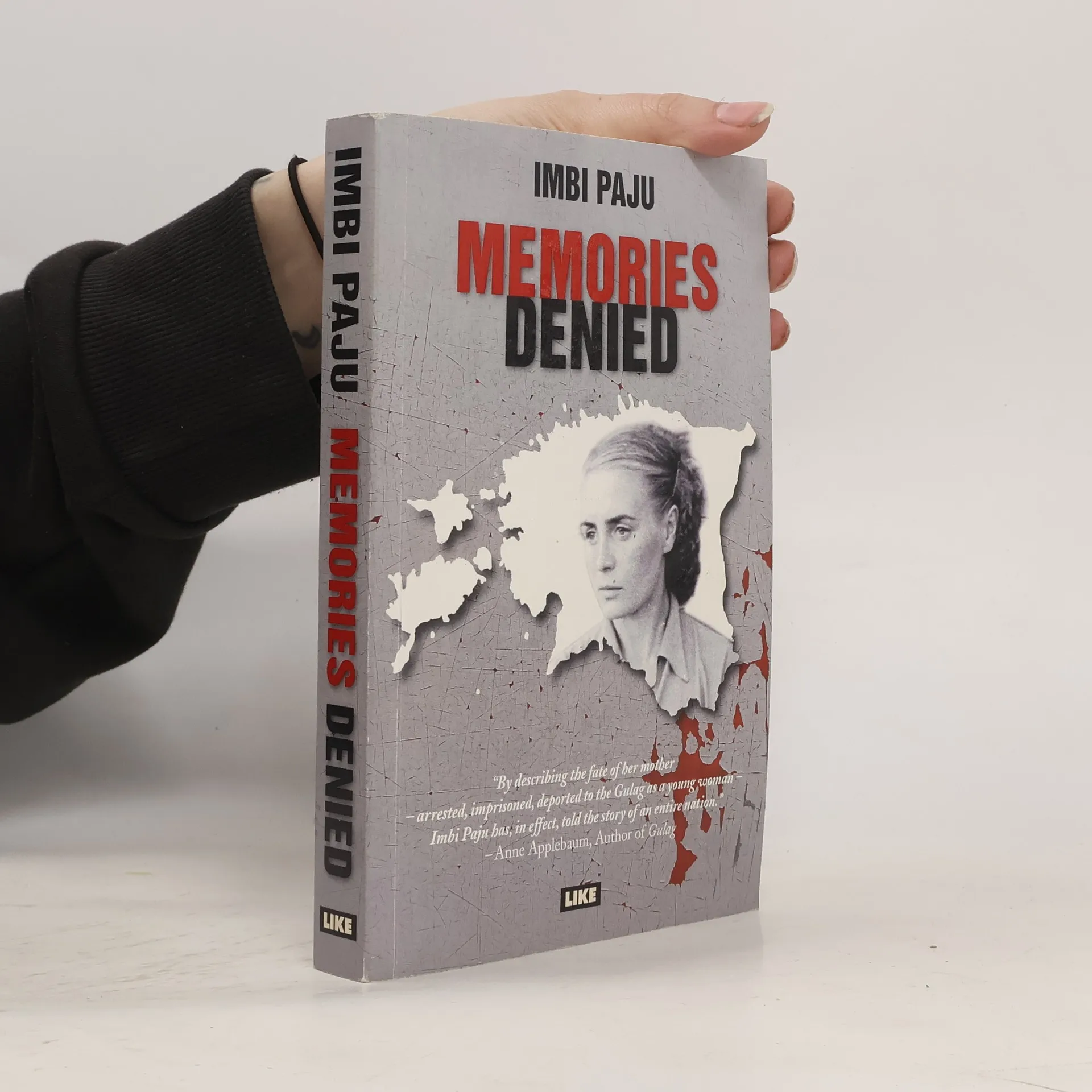
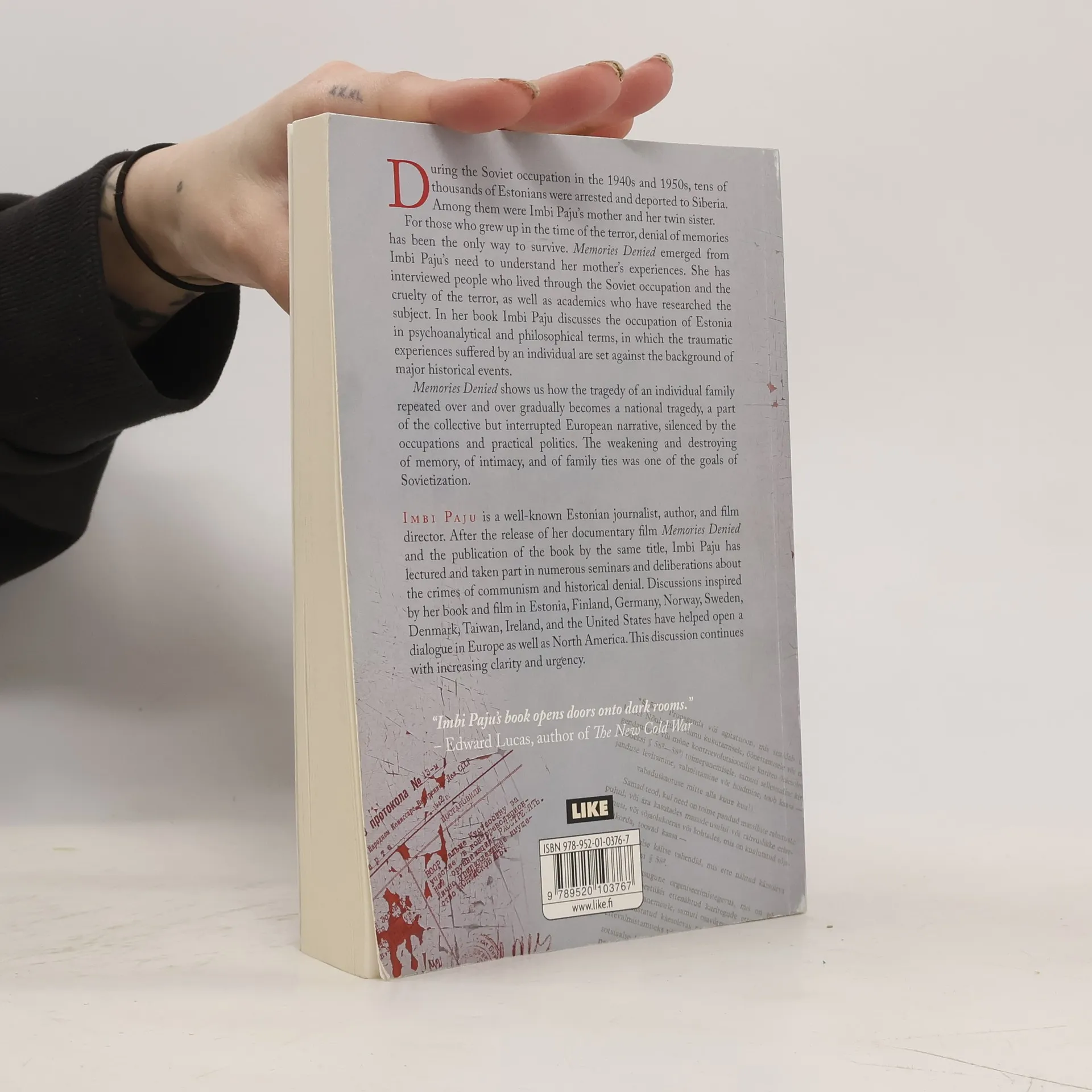
During the Soviet occupation in the 1940s and 1950s, tens of thousands of Estonians were arrested and deported to Siberia. Among them were Imbi Paju's mother and her twin sister. For those who grew up in the time of the terror, denial of memories has been the only way to survive. Memories Denied emerged from Imbi Paju's need to understand her mother's experiences. She has interviewed people who lived through the Soviet occupation of Estonia in psychoanalytical and philosophical terms, in which the traumatic experiences suffered by an individual are set against the background of major historical events. Memories Denied shows us how the tragedy of an individual family repeated over and over gradually becomes a national tragedy, a part of the collective but interrupted European narrative, silenced by the occupations and practical politics. The weakening and destroying of memory, of intimacy, and of family ties was one of the goals of Sovietization.
Zakup książki
Memories Denied, Imbi Paju
- Język

- Rok wydania
- 2009
- Oprawa
- (miękka)
Metody płatności
Brakuje nam tutaj Twojej recenzji.
- Tytuł
- Memories Denied
- Język
- angielski
- Autorzy
- Imbi Paju
- Wydawca
- Like
- Rok wydania
- 2009
- Oprawa
- miękka
- Liczba stron
- 351
- ISBN10
- 9520103767
- ISBN13
- 9789520103767
- Seria
- Kategorie
- Ocena
- 3,85 z 5
- Opis
- During the Soviet occupation in the 1940s and 1950s, tens of thousands of Estonians were arrested and deported to Siberia. Among them were Imbi Paju's mother and her twin sister. For those who grew up in the time of the terror, denial of memories has been the only way to survive. Memories Denied emerged from Imbi Paju's need to understand her mother's experiences. She has interviewed people who lived through the Soviet occupation of Estonia in psychoanalytical and philosophical terms, in which the traumatic experiences suffered by an individual are set against the background of major historical events. Memories Denied shows us how the tragedy of an individual family repeated over and over gradually becomes a national tragedy, a part of the collective but interrupted European narrative, silenced by the occupations and practical politics. The weakening and destroying of memory, of intimacy, and of family ties was one of the goals of Sovietization.