


Więcej o książce
The primary narrator is a young girl named Meredith whose mother died just after Meredith and her twin brother were born. Their father, Thomas, is a brooding and diffident man, a doctor we assume is white, although he practices in a poor black New Orleans neighborhood, just as his father devoted his life to making mortuary sculpture for black families. As the novel begins, Thomas is hustling his sleepy children out of the house so that he can leave his second wife, Catherine, before she awakes. As Meredith tries to make sense of this abrupt dislocation, we begin to learn the complex secrets of her family's multiracial past from the second narrator, Murphy, an elderly black man once in the employ of Meredith's grandfather (and a character of tremendous dimension). Catherine is the third narrator; we hear her voice in the letters she writes to her stepdaughter, epistles that gleam with the glare of forbidden truths rarely revealed to adults, let alone to adolescent girls. Each facet of this bittersweet drama reflects the hideous tangle of racism and desire that has long warped and distorted relationships between whites and blacks. Brown explores this sensitive subject with consummate delicacy and eloquent intensity, making us feel the full weight of loss and regret, and the pain of inexpressible love
Zakup książki
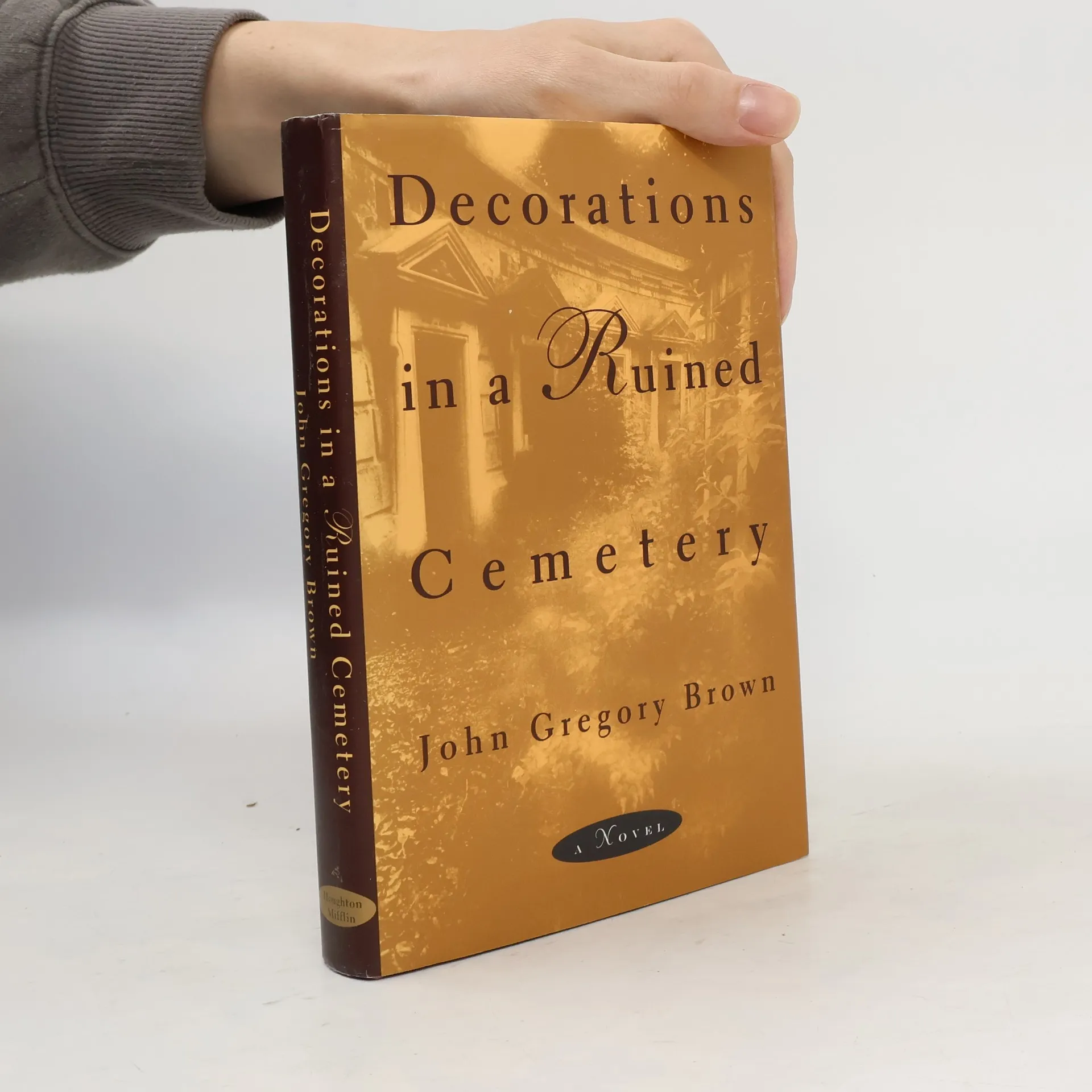
Decorations in a Ruined Cemetery, John Gregory Brown
- Język

- Rok wydania
- 1994
- Oprawa
- (twarda)
Metody płatności
Brakuje nam tutaj Twojej recenzji.
- Tytuł
- Decorations in a Ruined Cemetery
- Język
- angielski
- Autorzy
- John Gregory Brown
- Rok wydania
- 1994
- Oprawa
- twarda
- ISBN10
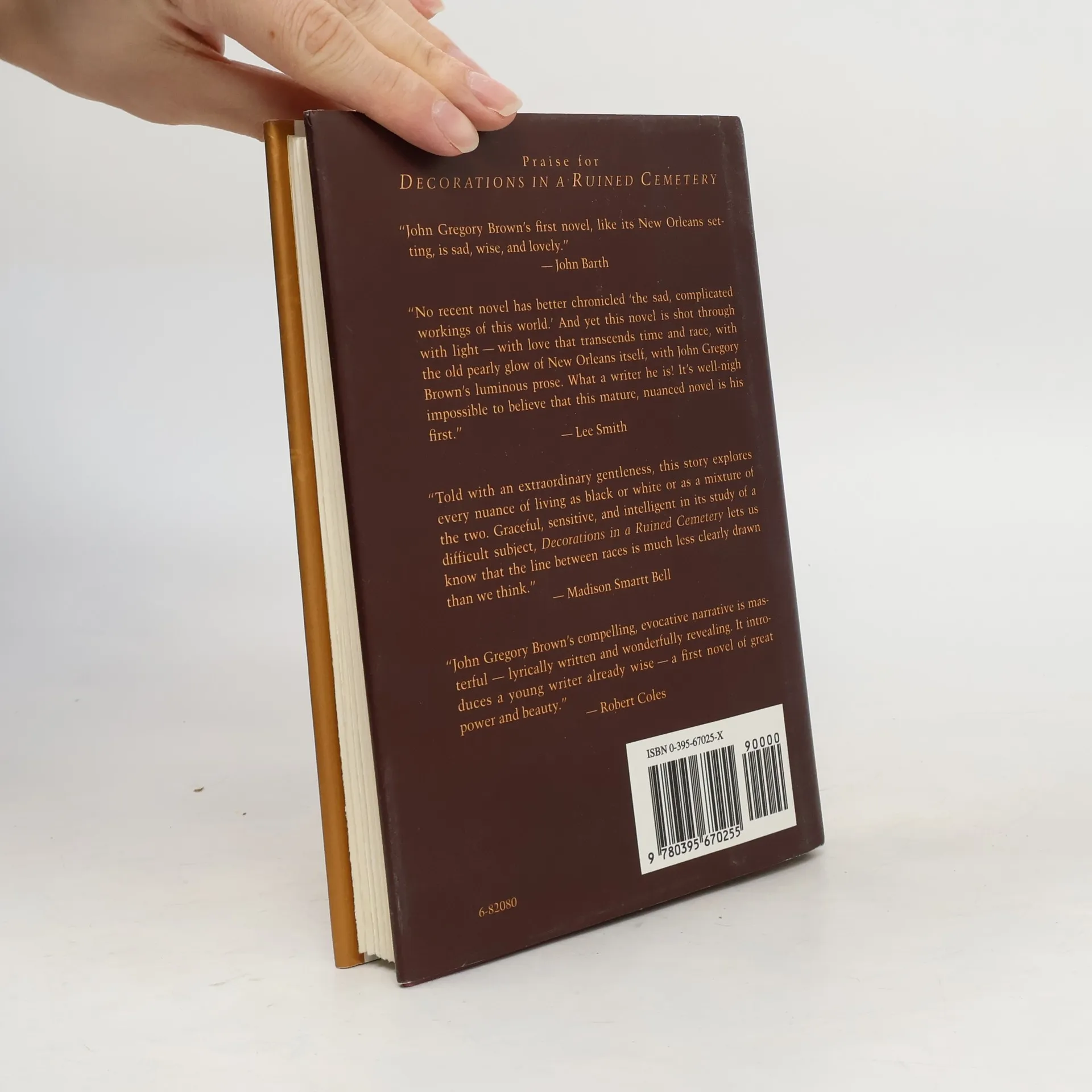
- 039567025X
- ISBN13
- 9780395670255
- Seria
- Kategorie
- Tagi
- USA, Amerykańskie południe
- Ocena
- 3,9 z 5
- Opis
- The primary narrator is a young girl named Meredith whose mother died just after Meredith and her twin brother were born. Their father, Thomas, is a brooding and diffident man, a doctor we assume is white, although he practices in a poor black New Orleans neighborhood, just as his father devoted his life to making mortuary sculpture for black families. As the novel begins, Thomas is hustling his sleepy children out of the house so that he can leave his second wife, Catherine, before she awakes. As Meredith tries to make sense of this abrupt dislocation, we begin to learn the complex secrets of her family's multiracial past from the second narrator, Murphy, an elderly black man once in the employ of Meredith's grandfather (and a character of tremendous dimension). Catherine is the third narrator; we hear her voice in the letters she writes to her stepdaughter, epistles that gleam with the glare of forbidden truths rarely revealed to adults, let alone to adolescent girls. Each facet of this bittersweet drama reflects the hideous tangle of racism and desire that has long warped and distorted relationships between whites and blacks. Brown explores this sensitive subject with consummate delicacy and eloquent intensity, making us feel the full weight of loss and regret, and the pain of inexpressible love