

Parametry
Więcej o książce
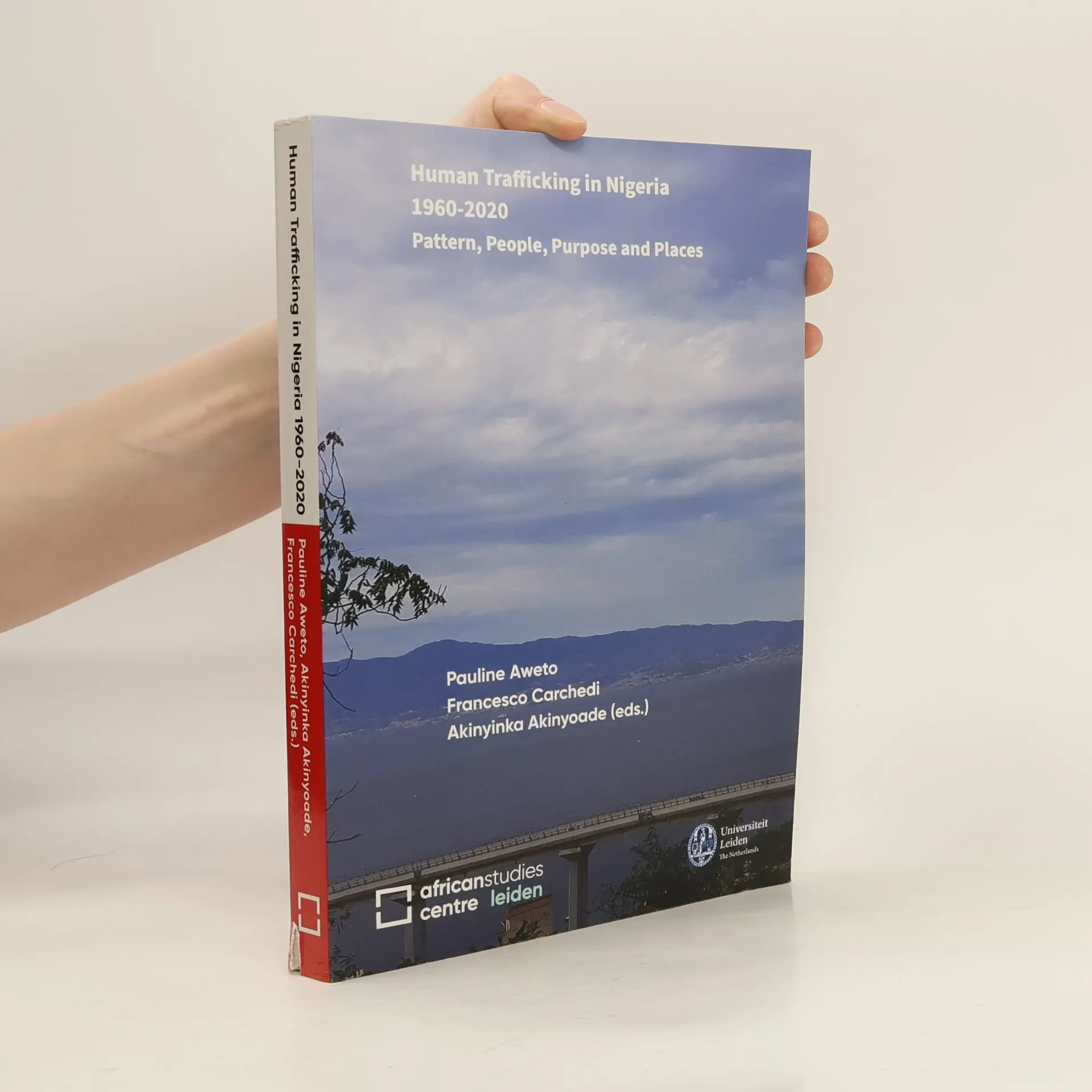
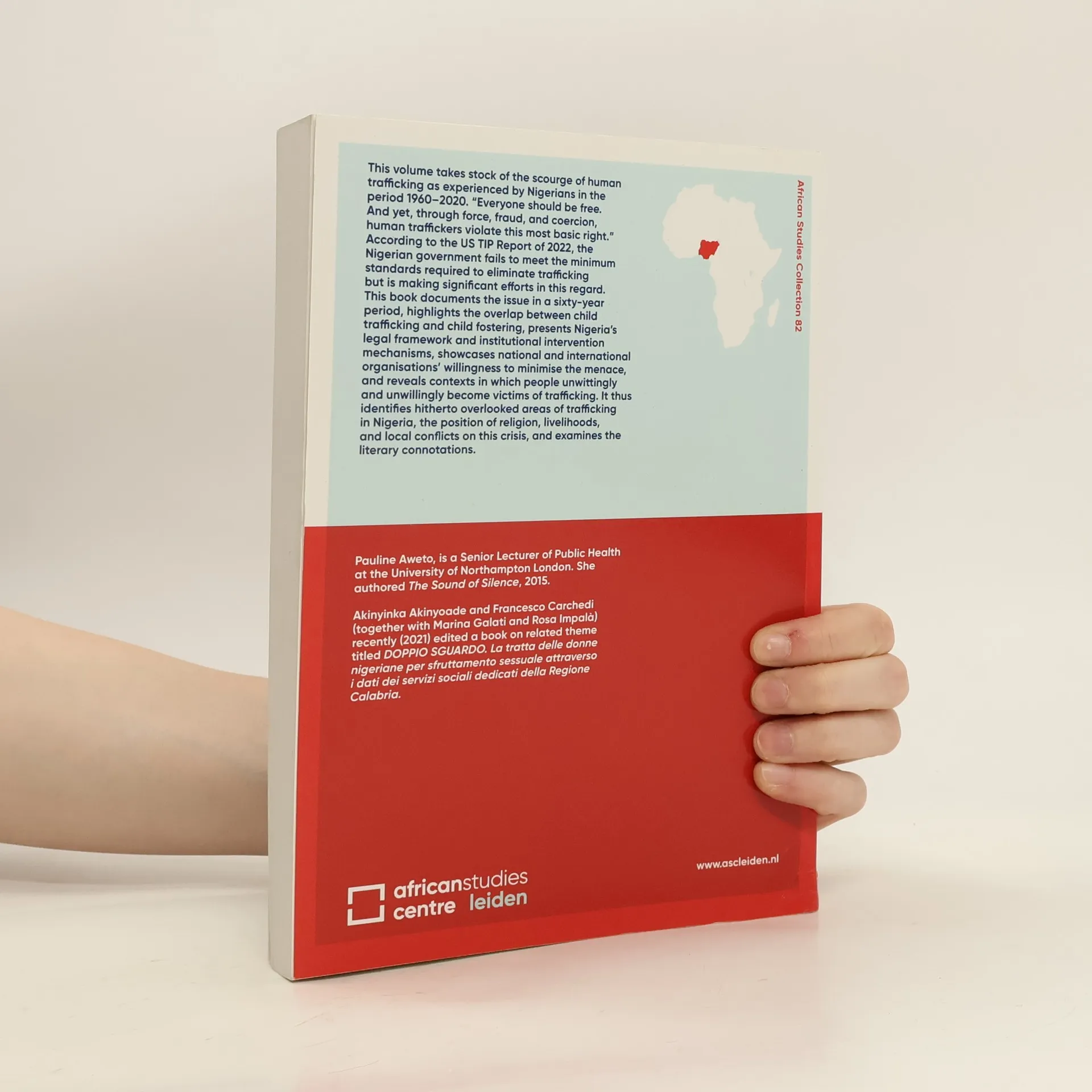
"This volume takes stock of the scourge of human trafficking as experienced by Nigerians in the period 1960-2020. "Everyone should be free. And yet, through force, fraud, and coercion, human traffickers violate this most basic right." According to the US TIP Report of 2022, the Nigerian government fails to meet the minimum standards required to eliminate trafficking but is making significant efforts in this regard. This book documents the issue in a sixty-year period, highlights the overlap between child trafficking and child fostering, presents Nigeria's legal framework and institutional intervention mechanisms, showcases national and international organisations' willingness to minimise the menace, and reveals contexts in which people unwittingly and unwillingly become victims of trafficking. It thus identifies hitherto overlooked areas of trafficking in Nigeria, the position of religion, livelihoods, and local conflicts on this crisis, and examines the literary connotations."
Zakup książki
Human Trafficking in Nigeria 1960-2020, kolektiv
- Język

- Rok wydania
- 2023
- Oprawa
- (miękka)
Metody płatności
Nikt jeszcze nie ocenił.
- Tytuł
- Human Trafficking in Nigeria 1960-2020
- Język
- angielski
- Autorzy
- kolektiv
- Rok wydania
- 2023
- Oprawa
- miękka
- ISBN10
- 9054481986
- ISBN13
- 9789054481980
- Seria
- Tagi
- Opis
- "This volume takes stock of the scourge of human trafficking as experienced by Nigerians in the period 1960-2020. "Everyone should be free. And yet, through force, fraud, and coercion, human traffickers violate this most basic right." According to the US TIP Report of 2022, the Nigerian government fails to meet the minimum standards required to eliminate trafficking but is making significant efforts in this regard. This book documents the issue in a sixty-year period, highlights the overlap between child trafficking and child fostering, presents Nigeria's legal framework and institutional intervention mechanisms, showcases national and international organisations' willingness to minimise the menace, and reveals contexts in which people unwittingly and unwillingly become victims of trafficking. It thus identifies hitherto overlooked areas of trafficking in Nigeria, the position of religion, livelihoods, and local conflicts on this crisis, and examines the literary connotations."