



Więcej o książce
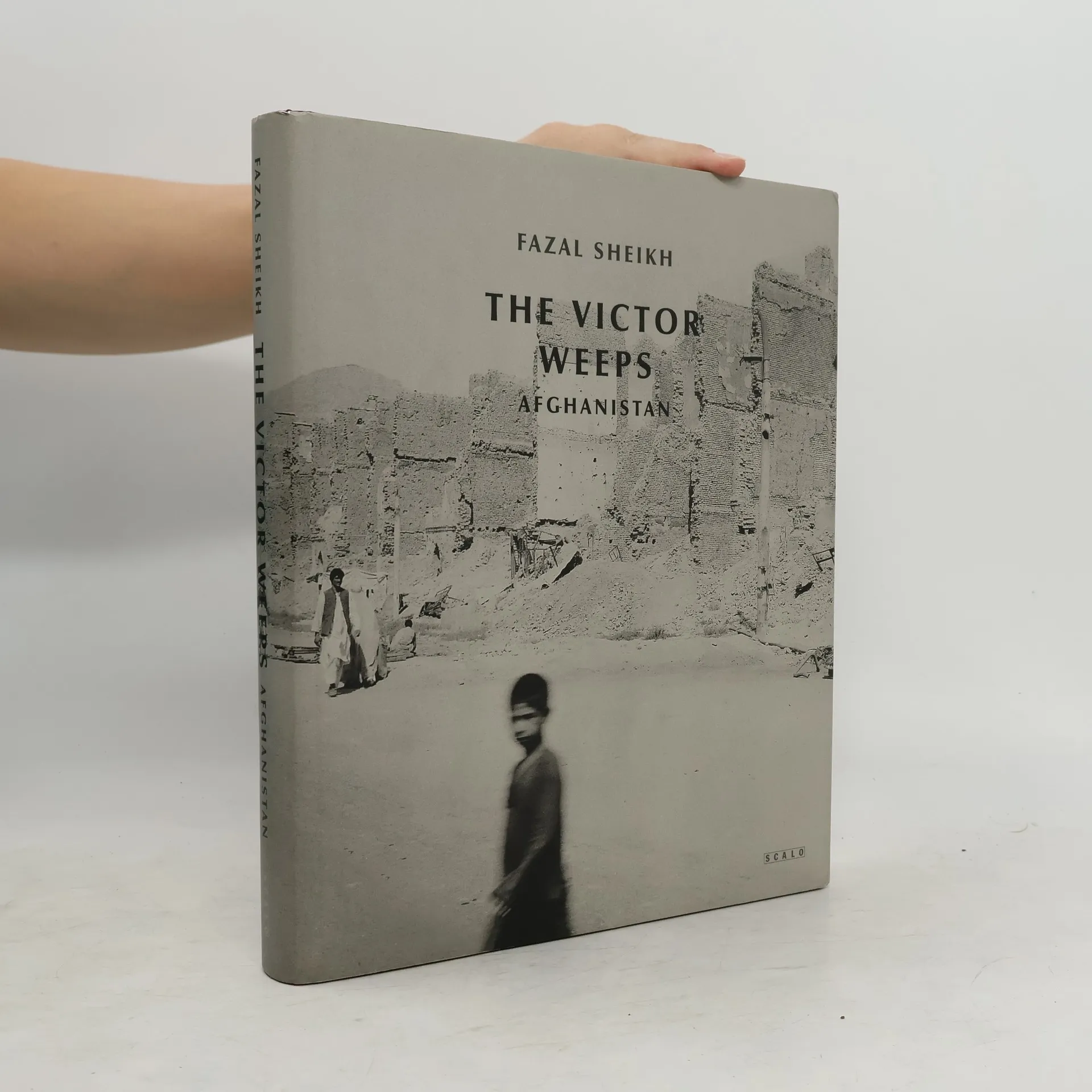
Afghanistan has suffered from civil wars: first from the Mujahideen war againts the Russians, and then from the fights between the different factions within the country, which led to the current Taliban government. Photographer Fazal Sheikh, whose grandfather emigrated from this region to Kenya in the early days of this century, takes us into Afghanistan, where he has worked for the past years. His in-depth texts and sensitive portraits of the people reveal layer by layer a population that has kept its dignity and respect for life through almost two decades of violent struggle. Fazal Skeikh has gained the trust of his subjects, they have told him the stories of their family martyrs, and they trusted him so deeply that they even shared their often haunting dreams with him. Images of the women, of the elders gathered around the gaslight, of children anxiously looking into an unknown future, and of war victims maintaining their pride, create thoughtful insight. This volume in engaged with human rights and war as much as with photographic representation itself, and with the quest for what the people of Afghanistan really think and feel.
Zakup książki
The Victor weeps Afganistan, Fazal Sheikh
- Język

- Rok wydania
- 1998
- Oprawa
- (twarda)
Metody płatności
Brakuje nam tutaj Twojej recenzji.
- Tytuł
- The Victor weeps Afganistan
- Język
- angielski
- Autorzy
- Fazal Sheikh
- Wydawca
- Scalo
- Rok wydania
- 1998
- Oprawa
- twarda
- Liczba stron
- 244
- ISBN10
- 3931141950
- ISBN13
- 9783931141950
- Seria
- Ocena
- 4,35 z 5
- Opis
- Afghanistan has suffered from civil wars: first from the Mujahideen war againts the Russians, and then from the fights between the different factions within the country, which led to the current Taliban government. Photographer Fazal Sheikh, whose grandfather emigrated from this region to Kenya in the early days of this century, takes us into Afghanistan, where he has worked for the past years. His in-depth texts and sensitive portraits of the people reveal layer by layer a population that has kept its dignity and respect for life through almost two decades of violent struggle. Fazal Skeikh has gained the trust of his subjects, they have told him the stories of their family martyrs, and they trusted him so deeply that they even shared their often haunting dreams with him. Images of the women, of the elders gathered around the gaslight, of children anxiously looking into an unknown future, and of war victims maintaining their pride, create thoughtful insight. This volume in engaged with human rights and war as much as with photographic representation itself, and with the quest for what the people of Afghanistan really think and feel.