


Więcej o książce
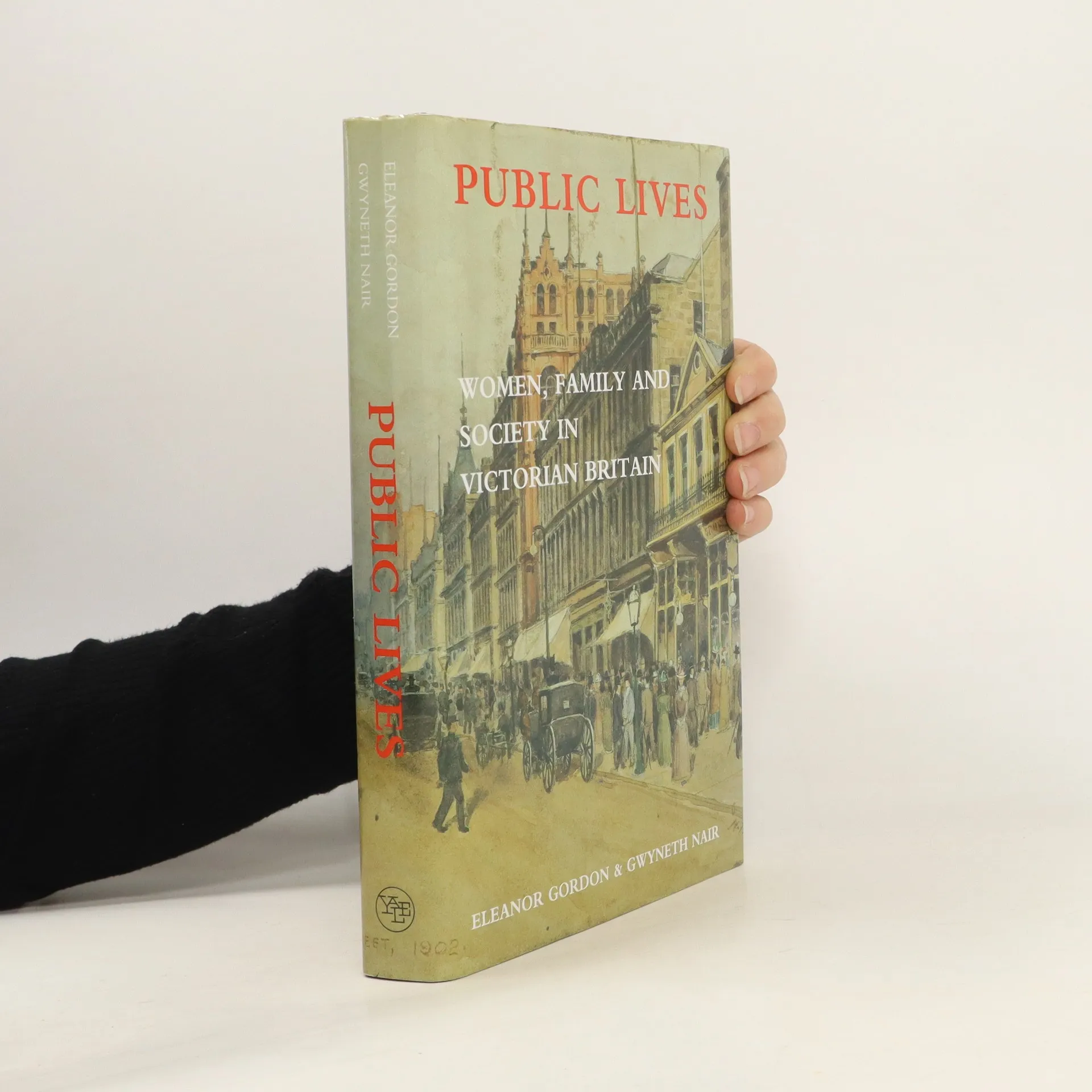
This lively book challenges many stereotypes about Victorian women and their families and offers intriguing new insights into middle-class life in Britain from 1840 through the early years of the twentieth century. Eleanor Gordon and Gwyneth Nair examine women’s relationships, their marriages, the ways they earned and spent their money, and their social, spiritual, and civic lives. What emerges from this fascinating research is a revised―and far richer―view of middle-class women’s experiences in the Victorian era than has been understood before. The authors argue that widely accepted characterizations of the Victorian family as a private enclave in which women’s roles related only to service and dependency are narrow and inaccurate. In fact, as arbiters of taste, managers of display, and consumers of culture, women assumed a variety of complex roles and were central to the creation of middle-class identity and culture.
Zakup książki
Public Lives, kolektiv
- Język

- Rok wydania
- 2004
- Oprawa
- (twarda)
Metody płatności
Brakuje nam tutaj Twojej recenzji.
- Tytuł
- Public Lives
- Podtytuł
- Women, Family and Society in Victorian Britain
- Język
- angielski
- Autorzy
- kolektiv
- Wydawca
- Yale University Press
- Rok wydania
- 2004
- Oprawa
- twarda
- Liczba stron
- 328
- ISBN10
- 0300102208
- ISBN13
- 9780300102208
- Seria
- Ocena
- 3,5 z 5
- Opis
- This lively book challenges many stereotypes about Victorian women and their families and offers intriguing new insights into middle-class life in Britain from 1840 through the early years of the twentieth century. Eleanor Gordon and Gwyneth Nair examine women’s relationships, their marriages, the ways they earned and spent their money, and their social, spiritual, and civic lives. What emerges from this fascinating research is a revised―and far richer―view of middle-class women’s experiences in the Victorian era than has been understood before. The authors argue that widely accepted characterizations of the Victorian family as a private enclave in which women’s roles related only to service and dependency are narrow and inaccurate. In fact, as arbiters of taste, managers of display, and consumers of culture, women assumed a variety of complex roles and were central to the creation of middle-class identity and culture.