


Parametry
- 202 strony
- 8 godzin czytania
Więcej o książce
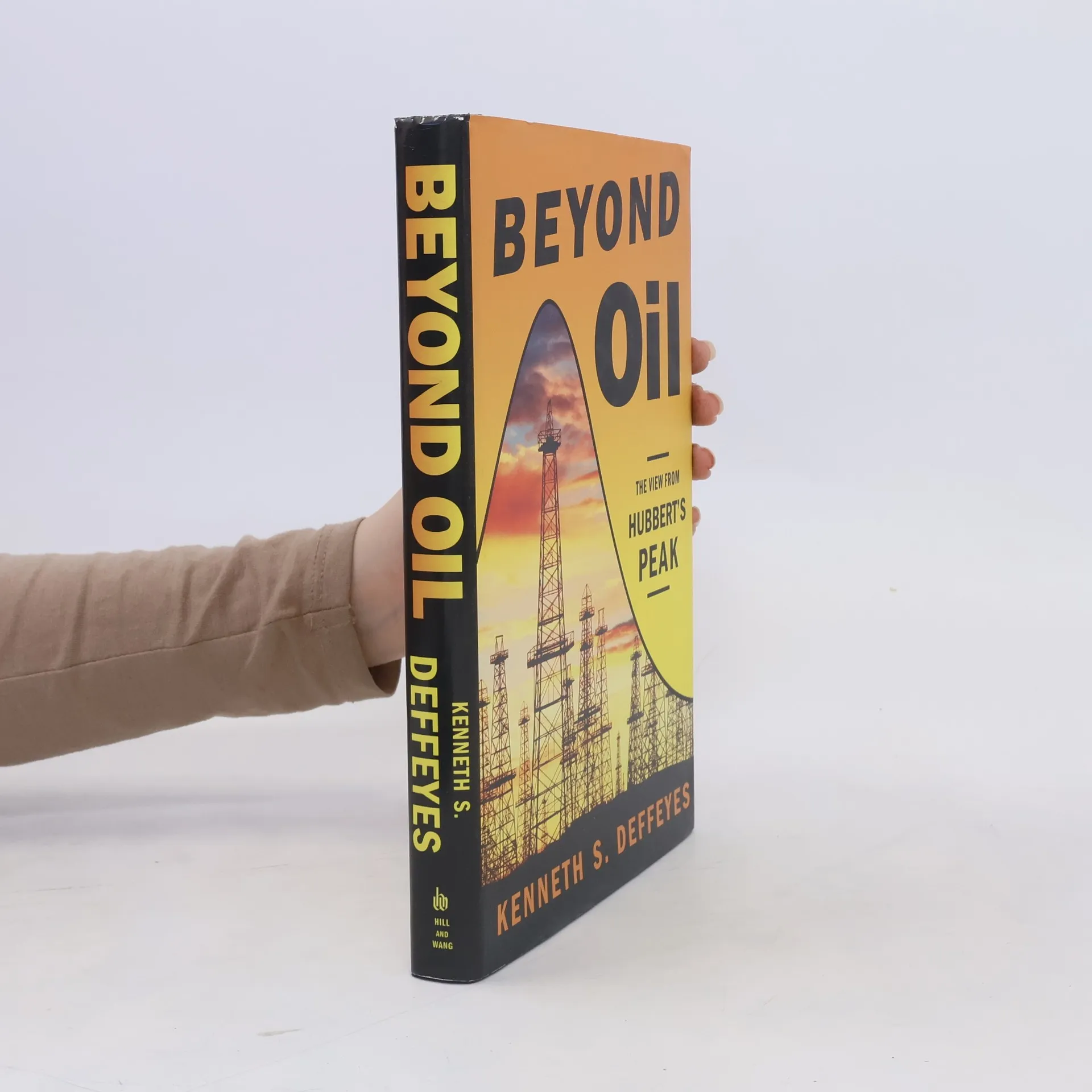
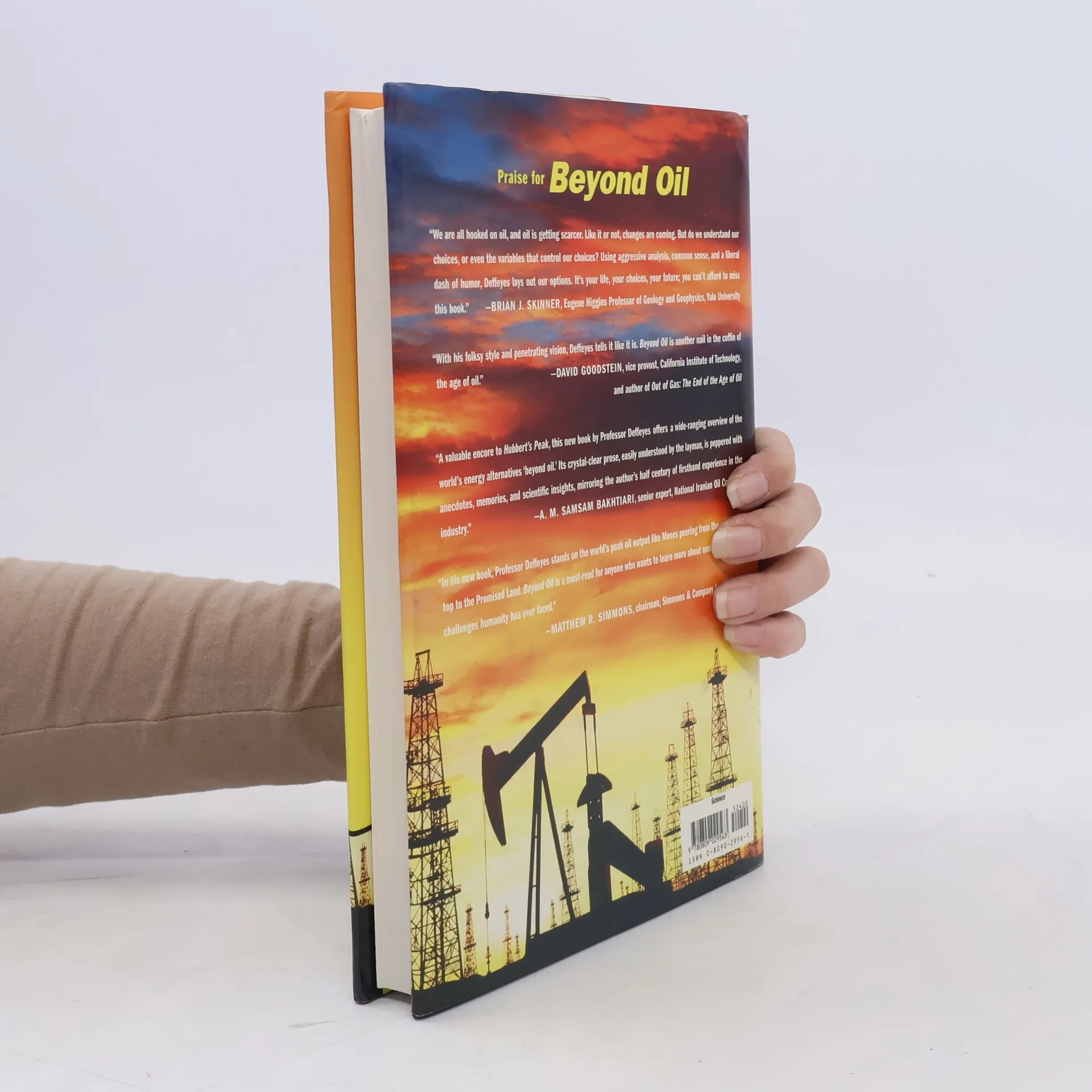
With world oil production nearing its peak and set for decline, the urgency of finding alternative fuels to meet rising global energy demands has intensified. This once-remote concern is now pressing, as numerous publications highlight the impending depletion of vital oil reserves. The author, a geologist who first alerted the public to the looming oil crisis, shifts focus to potential replacement fuels and their production futures, employing analytical methods from renowned petroleum expert M. King Hubbert. The discussion encompasses natural gas, coal, tar sands, heavy oils, oil shale, uranium, and hydrogen, which, while not a direct energy resource, is included for its relevance. A final chapter synthesizes the overall energy landscape, outlining the mix of sources likely needed in the near future, emphasizing the importance of conservation, high-mileage diesel vehicles, nuclear energy, and wind power. With expertise in the field, the author adopts an informed yet optimistic perspective on the ongoing debate. His primary concern lies not in long-term adjustments to a post-oil world but in the immediate future, stressing the critical nature of the next decade: "Through our inattention, we have wasted the years that we might have used to prepare for lessened oil supplies."
Zakup książki
Beyond Oil, Kenneth S. Deffeyes
- Język

- Rok wydania
- 2005
- Oprawa
- (twarda)
Metody płatności
Brakuje nam tutaj Twojej recenzji.
- Tytuł
- Beyond Oil
- Język
- angielski
- Autorzy
- Kenneth S. Deffeyes
- Wydawca
- Hill and Wang
- Rok wydania
- 2005
- Oprawa
- twarda
- Liczba stron
- 202
- ISBN10
- 0809029561
- ISBN13
- 9780809029563
- Seria
- Kategorie
- Ocena
- 3,55 z 5
- Opis
- With world oil production nearing its peak and set for decline, the urgency of finding alternative fuels to meet rising global energy demands has intensified. This once-remote concern is now pressing, as numerous publications highlight the impending depletion of vital oil reserves. The author, a geologist who first alerted the public to the looming oil crisis, shifts focus to potential replacement fuels and their production futures, employing analytical methods from renowned petroleum expert M. King Hubbert. The discussion encompasses natural gas, coal, tar sands, heavy oils, oil shale, uranium, and hydrogen, which, while not a direct energy resource, is included for its relevance. A final chapter synthesizes the overall energy landscape, outlining the mix of sources likely needed in the near future, emphasizing the importance of conservation, high-mileage diesel vehicles, nuclear energy, and wind power. With expertise in the field, the author adopts an informed yet optimistic perspective on the ongoing debate. His primary concern lies not in long-term adjustments to a post-oil world but in the immediate future, stressing the critical nature of the next decade: "Through our inattention, we have wasted the years that we might have used to prepare for lessened oil supplies."