


Więcej o książce
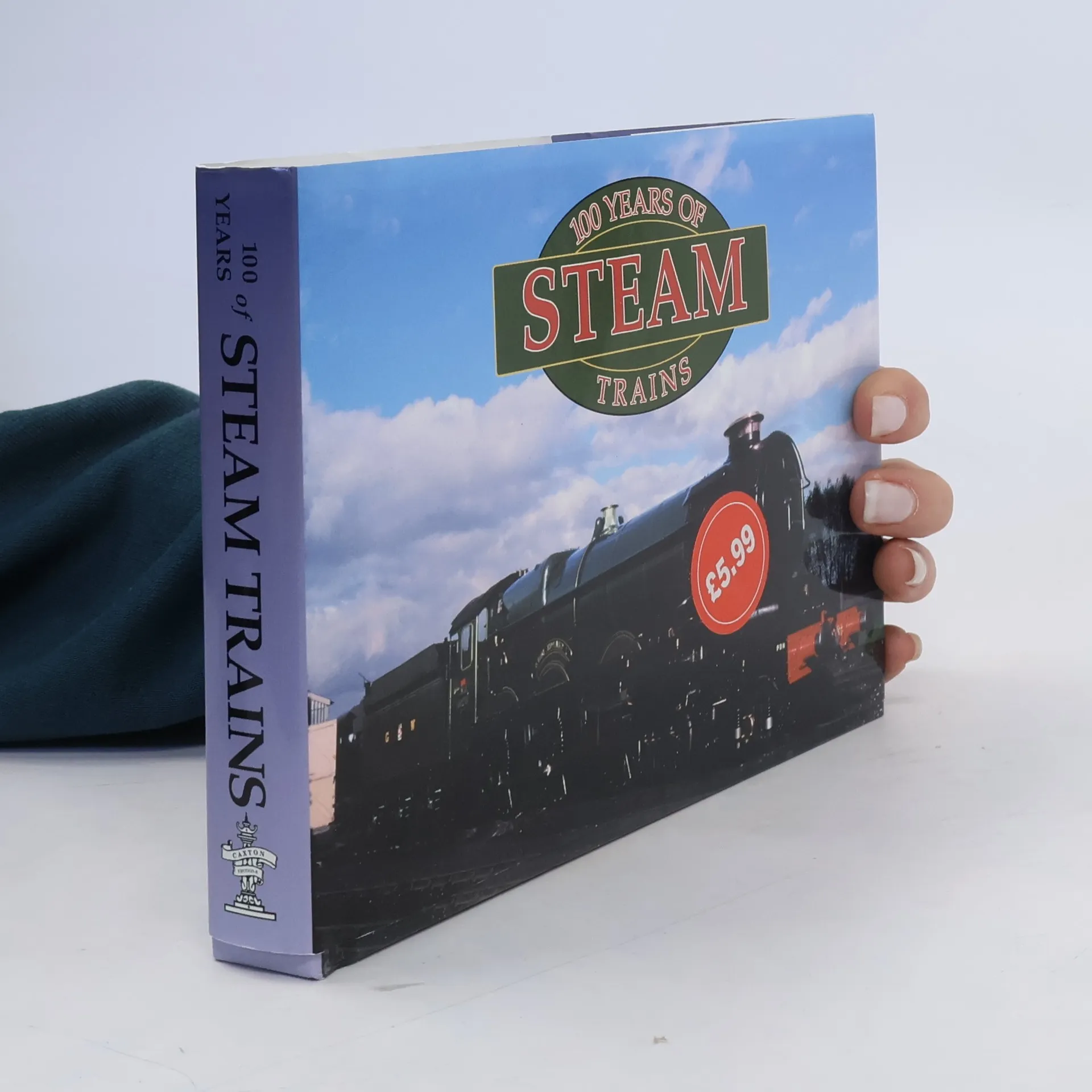
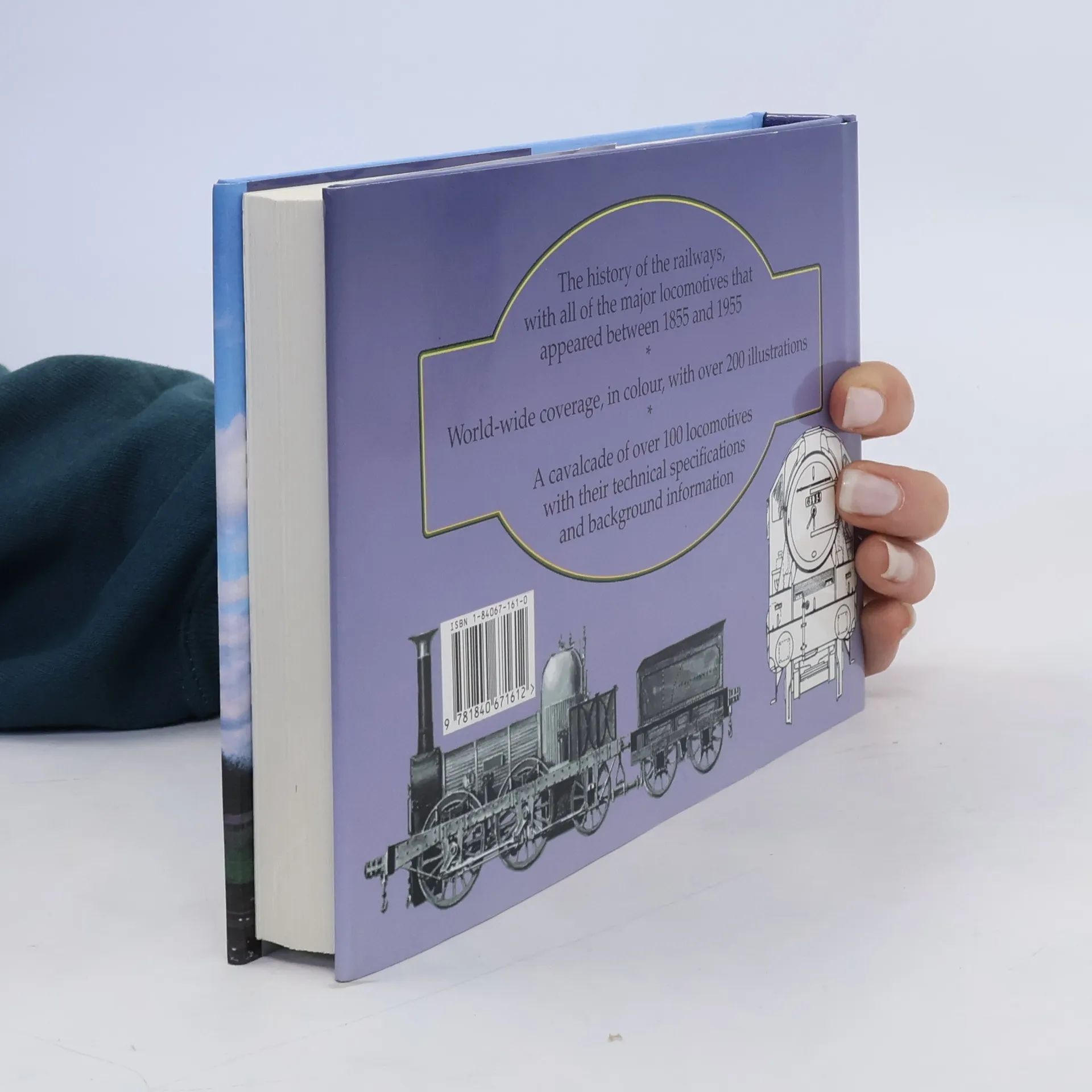
The mighty iron horse was a fundamental part of everyday life for the hundred years that spanned the second half of the nineteenth and the first half of the twentieth centuries. The arrival of the steam locomotive had heralded a new freedom of movement for both personal travel and business freight. It left in its wake better communications, market opportunities for the manufacturing industries and the possibility of new horizons for people throughout the world. With the help of over 200 illustrations, this book tells the story of the spread of the railways. It details the work of the engineers who developed and promoted the use of steam traction, through the examples of over 100 locomotives. In a tribute to their wonderful feats of ingenuity and technical brilliance, we illustrate the development of the locomotive from the American Type 4-4-0 of 1855 to the British Government's announcement of its modernisation plan in 1955, which sealed the fate of steam in the British Isles. Although steam traction played a major part in the industrial phenomenon that has now been superseded, thankfully many examples have been preserved and even kept in working condition, whether on enthusiasts'
Zakup książki
100 Years of Steam Trains, Derek Avery
- Język

- Rok wydania
- 2002
- Oprawa
- (twarda)
Metody płatności
Brakuje nam tutaj Twojej recenzji.
- Tytuł
- 100 Years of Steam Trains
- Język
- angielski
- Autorzy
- Derek Avery
- Wydawca
- Booksales
- Rok wydania
- 2002
- Oprawa
- twarda
- Liczba stron
- 240
- ISBN10
- 1840671610
- ISBN13
- 9781840671612
- Seria
- Tagi
- Kolej / Pociągi
- Ocena
- 5 z 5
- Opis
- The mighty iron horse was a fundamental part of everyday life for the hundred years that spanned the second half of the nineteenth and the first half of the twentieth centuries. The arrival of the steam locomotive had heralded a new freedom of movement for both personal travel and business freight. It left in its wake better communications, market opportunities for the manufacturing industries and the possibility of new horizons for people throughout the world. With the help of over 200 illustrations, this book tells the story of the spread of the railways. It details the work of the engineers who developed and promoted the use of steam traction, through the examples of over 100 locomotives. In a tribute to their wonderful feats of ingenuity and technical brilliance, we illustrate the development of the locomotive from the American Type 4-4-0 of 1855 to the British Government's announcement of its modernisation plan in 1955, which sealed the fate of steam in the British Isles. Although steam traction played a major part in the industrial phenomenon that has now been superseded, thankfully many examples have been preserved and even kept in working condition, whether on enthusiasts'