

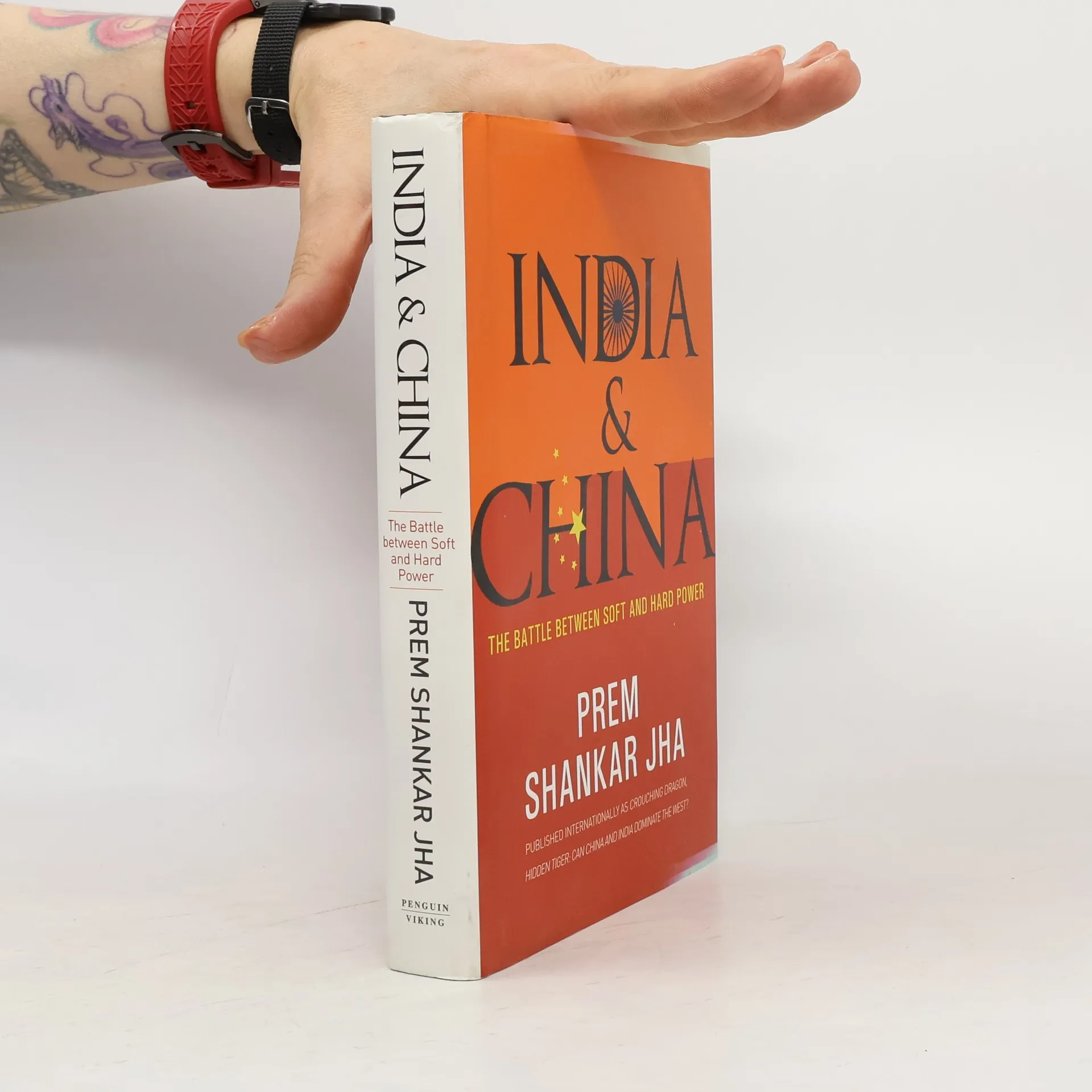
Więcej o książce
India and China focuses on these two countries, both in the middle stages of market-led development and grappling with the problem that societies have faced since the dawn of capitalism- reconciling equity with the claim that free markets are not just efficient but just. The author charts out trajectories for both China and India. China s time horizon for reconciling growth with equity has probably grown shorter, and India s almost certainly has grown longer. This book examines the social and political conflicts that the market has unleashed, and the successes and failures of these countries in trying to contain them. The authoritarian nature of the Chinese state ensured that the struggle between growth and equity remained mainly economic. In India, on the other hand, the strong democratic system ensured that the struggle became political, and the goal of businesses became to capture political power so policies to further their interests would be enacted. The author is sceptical about the inevitability of China and India s rise to global dominance in the twenty-first century. He also examines the impact of the US s tacit abandonment of its dream of regaining unchallenged hegemony in the post-cold war world, and tracks the rapidly deteriorating relations between India and China. Book Reviews User Reviews
Zakup książki
India and China, Prem Shankar Jha
- Język

- Rok wydania
- 2010
- Oprawa
- (twarda)
Metody płatności
Brakuje nam tutaj Twojej recenzji.
- Tytuł
- India and China
- Podtytuł
- The Battle Between Soft and Hard Power
- Język
- angielski
- Autorzy
- Prem Shankar Jha
- Wydawca
- Penguin
- Rok wydania
- 2010
- Oprawa
- twarda
- ISBN10
- 0670083275
- ISBN13
- 9780670083275
- Seria
- Kategorie
- Tagi
- Biznes
- Ocena
- 4,35 z 5
- Opis
- India and China focuses on these two countries, both in the middle stages of market-led development and grappling with the problem that societies have faced since the dawn of capitalism- reconciling equity with the claim that free markets are not just efficient but just. The author charts out trajectories for both China and India. China s time horizon for reconciling growth with equity has probably grown shorter, and India s almost certainly has grown longer. This book examines the social and political conflicts that the market has unleashed, and the successes and failures of these countries in trying to contain them. The authoritarian nature of the Chinese state ensured that the struggle between growth and equity remained mainly economic. In India, on the other hand, the strong democratic system ensured that the struggle became political, and the goal of businesses became to capture political power so policies to further their interests would be enacted. The author is sceptical about the inevitability of China and India s rise to global dominance in the twenty-first century. He also examines the impact of the US s tacit abandonment of its dream of regaining unchallenged hegemony in the post-cold war world, and tracks the rapidly deteriorating relations between India and China. Book Reviews User Reviews