

Więcej o książce
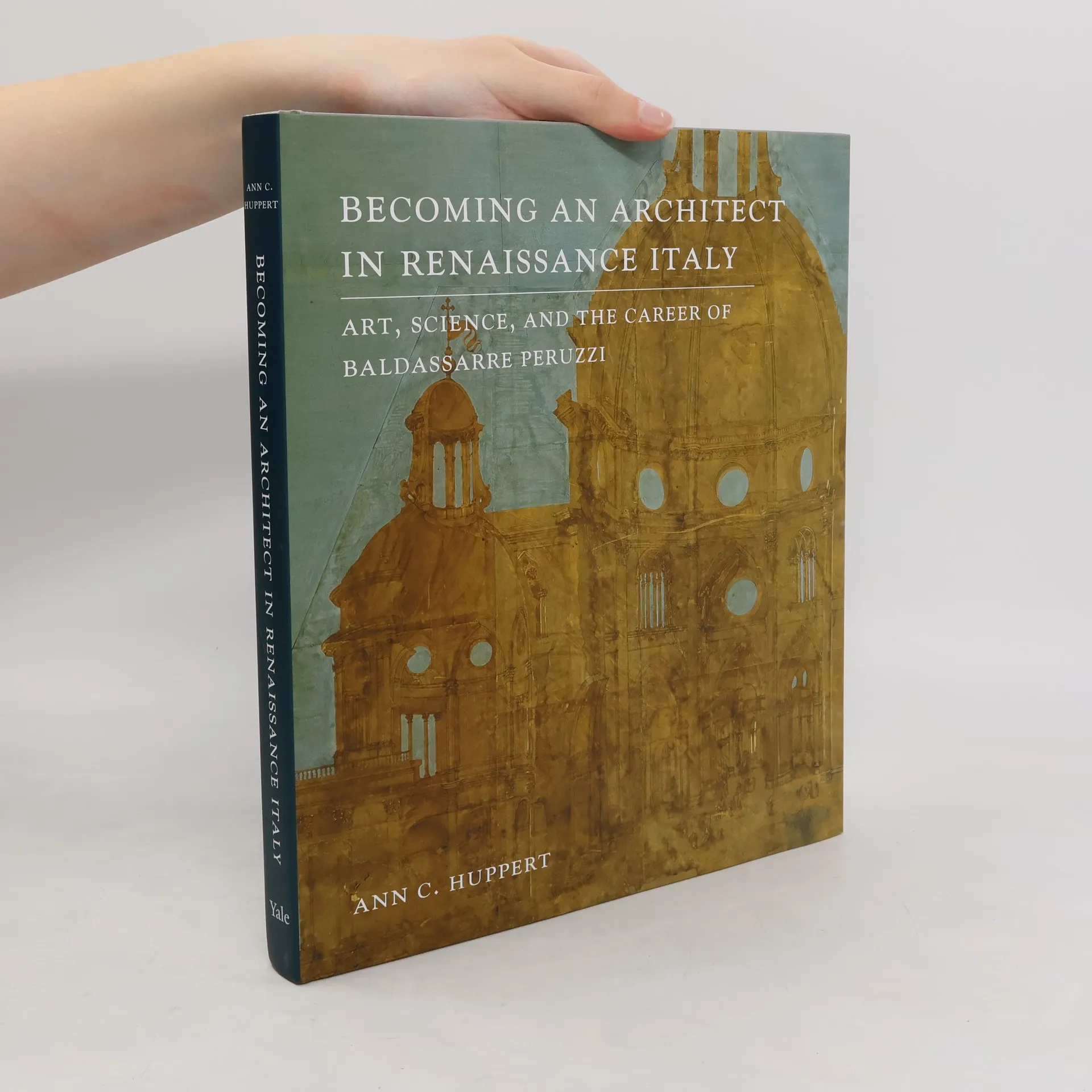
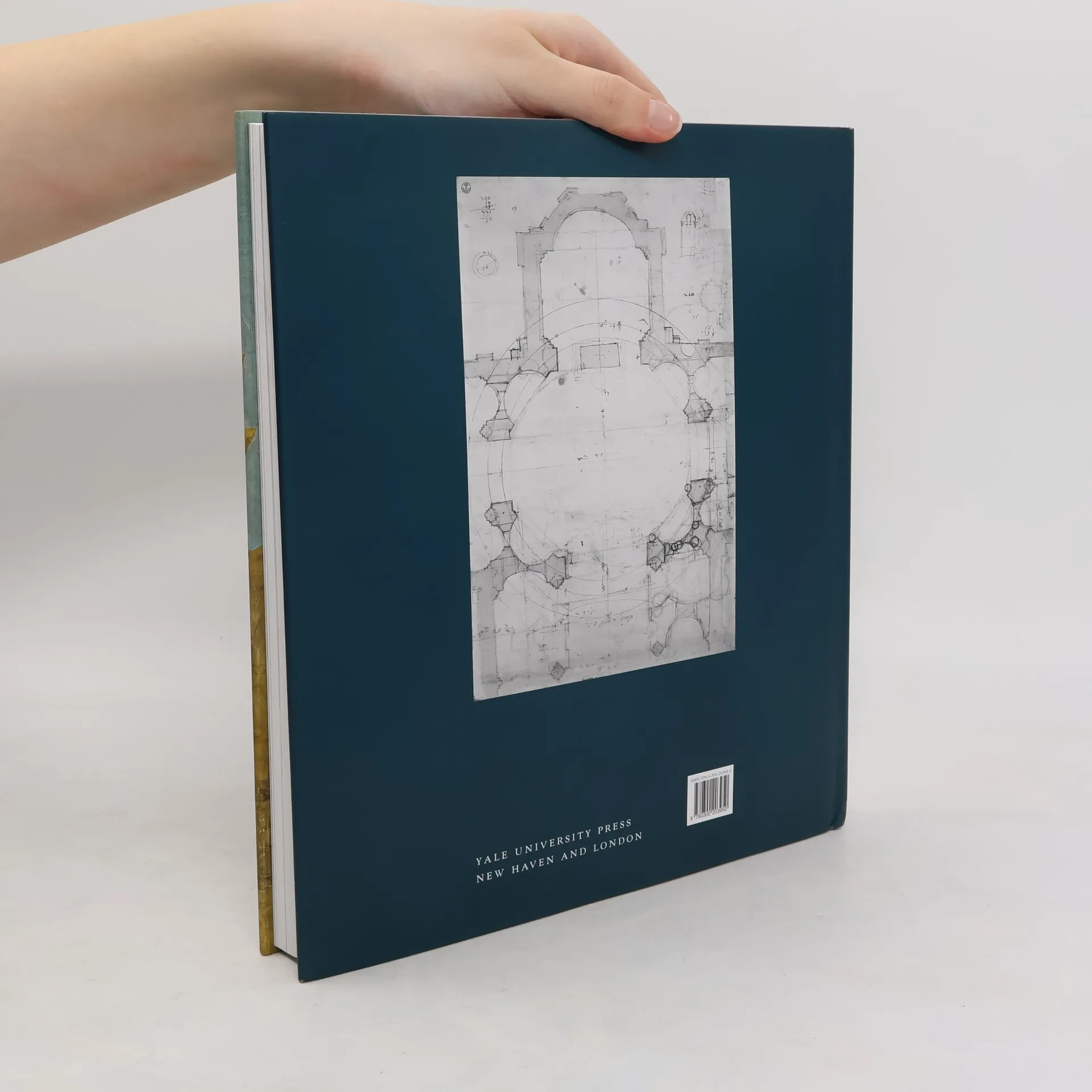
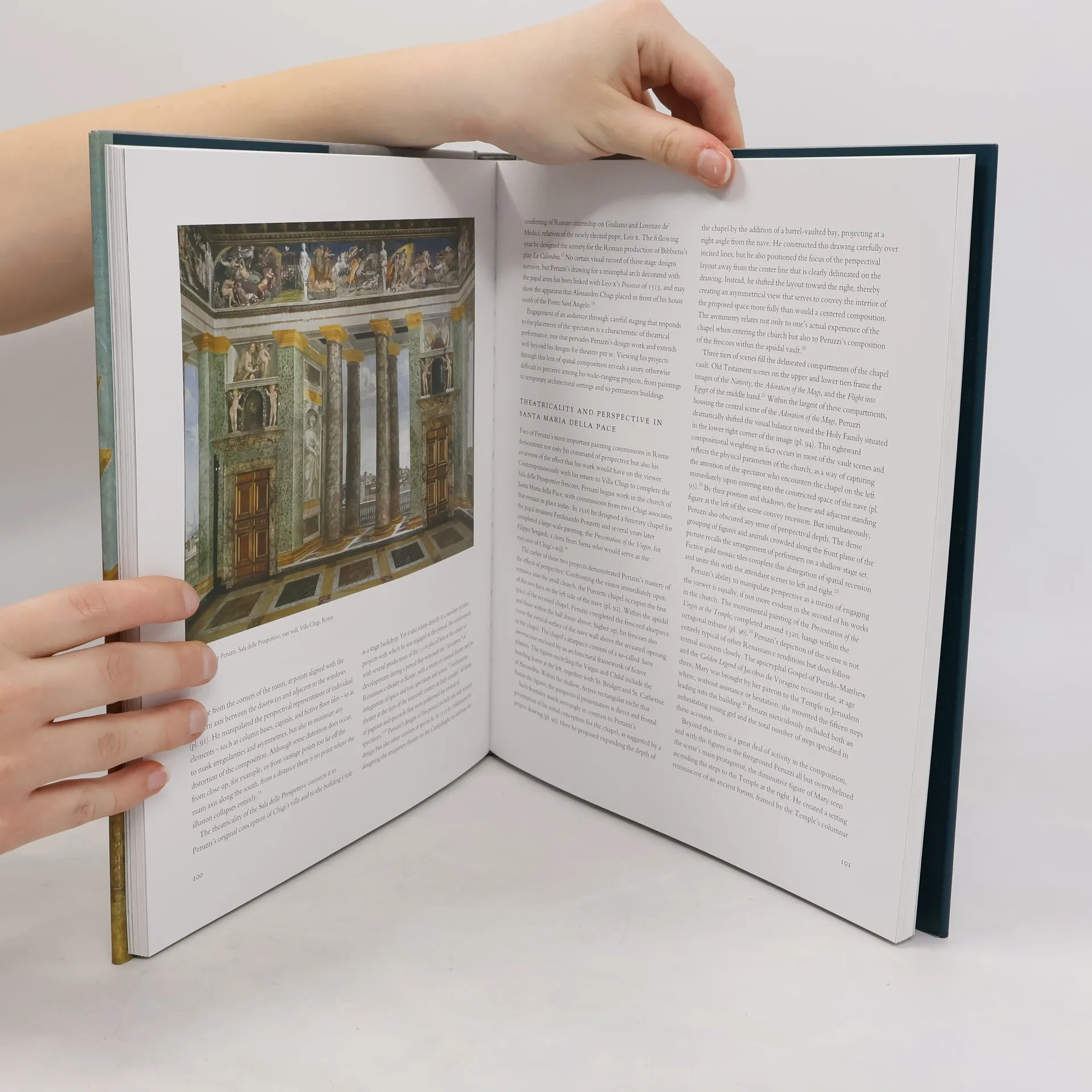
A leading architect of the Italian Renaissance, Baldassarre Peruzzi (1481-1536) has, until now, been a little-known, enigmatic figure. A paucity of biographical documentation and a modest number of surviving buildings, coupled with an undeservedly critical assessment by Giorgio Vasari (1511-1574), have long cast Peruzzi's career in shadow. With Becoming an Architect in Renaissance Italy, Ann C. Huppert taps into a known, but neglected resource--Peruzzi's autograph drawings--and reveals the full scope and artistic mastery of Peruzzi's work and its enduring influence. Extraordinary not only in their beauty and design inventiveness, but also in the varied representational techniques and practical mathematics noted within them, Peruzzi's drawings record an evolving artistic process. Reassessing his architectural masterworks, Huppert also explores lesser-known work: his studies of Roman antiquity, realized paintings and unrealized buildings, as well as engineering projects. Huppert shows that Peruzzi anticipated modern representational methods and scientific approaches in architecture, and pinpoints the moment when architecture began to emerge as a profession distinct from the other arts.
Zakup książki
Becoming an Architect in Renaissance Italy, Ann C. Huppert
- Język

- Rok wydania
- 2015
- Oprawa
- (twarda)
Metody płatności
Brakuje nam tutaj Twojej recenzji.
- Tytuł
- Becoming an Architect in Renaissance Italy
- Język
- angielski
- Autorzy
- Ann C. Huppert
- Wydawca
- Yale University Press
- Rok wydania
- 2015
- Oprawa
- twarda
- Liczba stron
- 221
- ISBN10
- 0300203950
- ISBN13
- 9780300203950
- Seria
- Ocena
- 2,5 z 5
- Opis
- A leading architect of the Italian Renaissance, Baldassarre Peruzzi (1481-1536) has, until now, been a little-known, enigmatic figure. A paucity of biographical documentation and a modest number of surviving buildings, coupled with an undeservedly critical assessment by Giorgio Vasari (1511-1574), have long cast Peruzzi's career in shadow. With Becoming an Architect in Renaissance Italy, Ann C. Huppert taps into a known, but neglected resource--Peruzzi's autograph drawings--and reveals the full scope and artistic mastery of Peruzzi's work and its enduring influence. Extraordinary not only in their beauty and design inventiveness, but also in the varied representational techniques and practical mathematics noted within them, Peruzzi's drawings record an evolving artistic process. Reassessing his architectural masterworks, Huppert also explores lesser-known work: his studies of Roman antiquity, realized paintings and unrealized buildings, as well as engineering projects. Huppert shows that Peruzzi anticipated modern representational methods and scientific approaches in architecture, and pinpoints the moment when architecture began to emerge as a profession distinct from the other arts.