

Więcej o książce
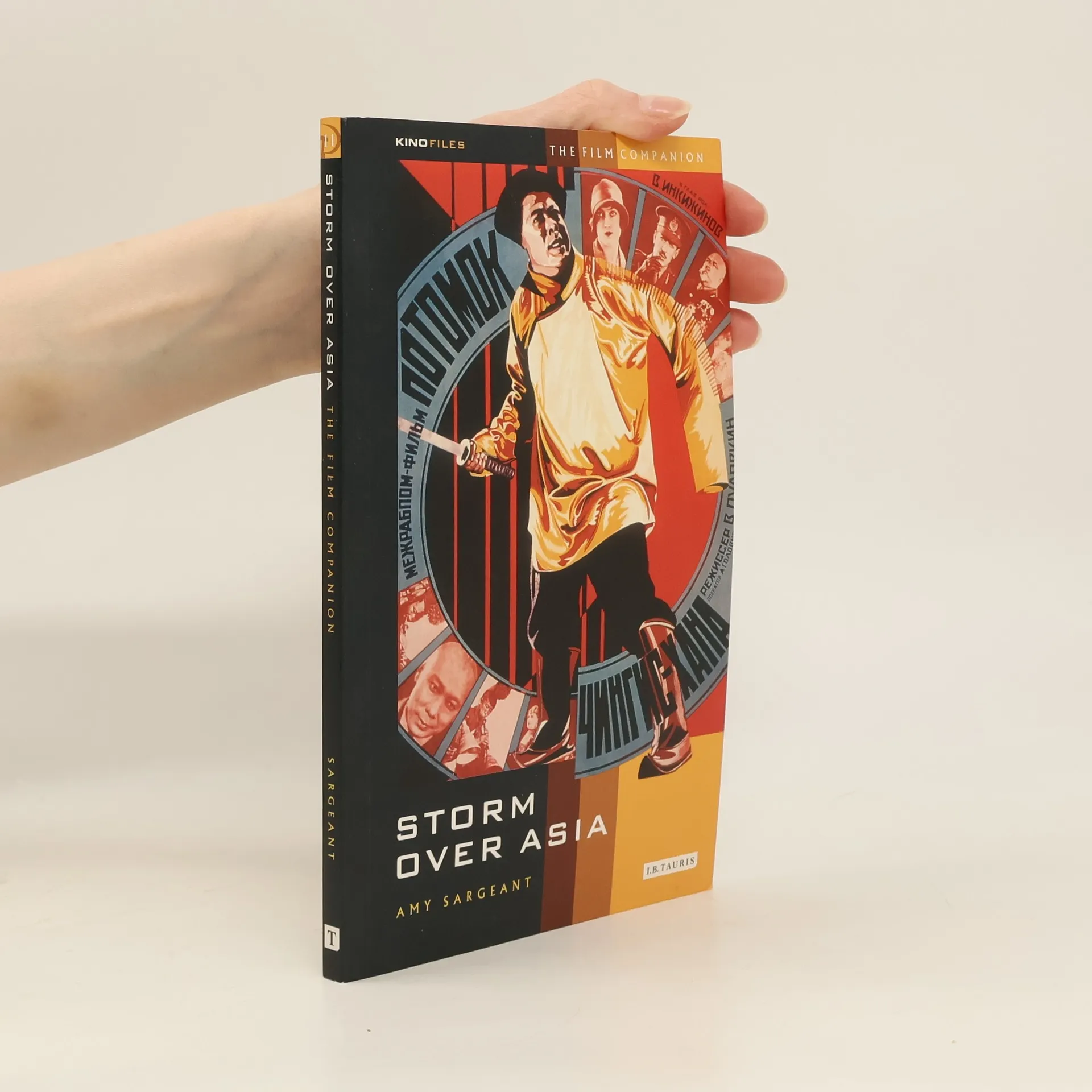
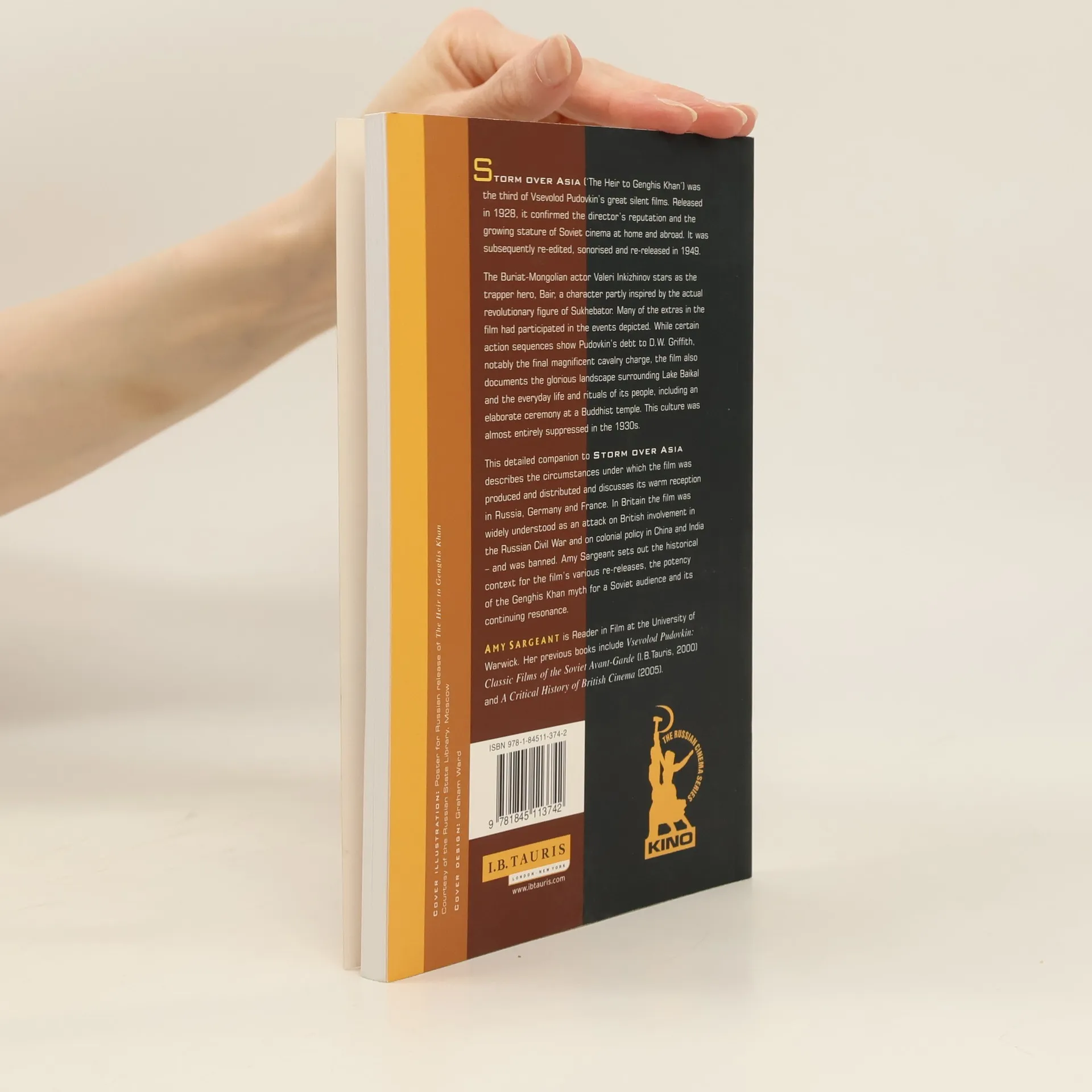
'Storm over Asia' ('The Heir to Genghis Khan') was the third of Vsevolod Pudovkin's great silent films. Released in 1928 it confirmed the director's reputation and Soviet cinema's growing stature internationally. It was subsequently re-edited, sonorised and re-released in 1949.The Buriat-Mongolian actor Valeri Inkizhinov stars as the trapper hero, Bair, a character partly inspired by the actual Revolutionary figure, Sukhebator. Many of the extras in the film had participated in the events depicted. The film acknowledges a debt to D.W. Griffith and documents the everyday life and rituals of the people living around Lake Baikal, a culture that was almost entirely suppressed in the 1930s.This KINOfile describes the circumstances under which 'Storm over Asia' was produced and distributed and discusses the warm reception of the film in Russia, Germany and France. In Britain the film was widely understood as an attack on British involvement in the Russian Civil War and on colonial policy in China and India - and was banned. Amy Sargeant also examines the potency of the Genghis Khan myth for a Soviet audience, and the continuing resonance of this fine film.
Zakup książki
Storm Over Asia, Amy Sargeant
- Język

- Rok wydania
- 2007
- Oprawa
- (miękka)
Metody płatności
Nikt jeszcze nie ocenił.
- Tytuł
- Storm Over Asia
- Język
- angielski
- Autorzy
- Amy Sargeant
- Wydawca
- I.B. Tauris
- Rok wydania
- 2007
- Oprawa
- miękka
- Liczba stron
- 128
- ISBN10
- 1845113748
- ISBN13
- 9781845113742
- Seria
- Kategorie
- Opis
- 'Storm over Asia' ('The Heir to Genghis Khan') was the third of Vsevolod Pudovkin's great silent films. Released in 1928 it confirmed the director's reputation and Soviet cinema's growing stature internationally. It was subsequently re-edited, sonorised and re-released in 1949.The Buriat-Mongolian actor Valeri Inkizhinov stars as the trapper hero, Bair, a character partly inspired by the actual Revolutionary figure, Sukhebator. Many of the extras in the film had participated in the events depicted. The film acknowledges a debt to D.W. Griffith and documents the everyday life and rituals of the people living around Lake Baikal, a culture that was almost entirely suppressed in the 1930s.This KINOfile describes the circumstances under which 'Storm over Asia' was produced and distributed and discusses the warm reception of the film in Russia, Germany and France. In Britain the film was widely understood as an attack on British involvement in the Russian Civil War and on colonial policy in China and India - and was banned. Amy Sargeant also examines the potency of the Genghis Khan myth for a Soviet audience, and the continuing resonance of this fine film.