

Więcej o książce
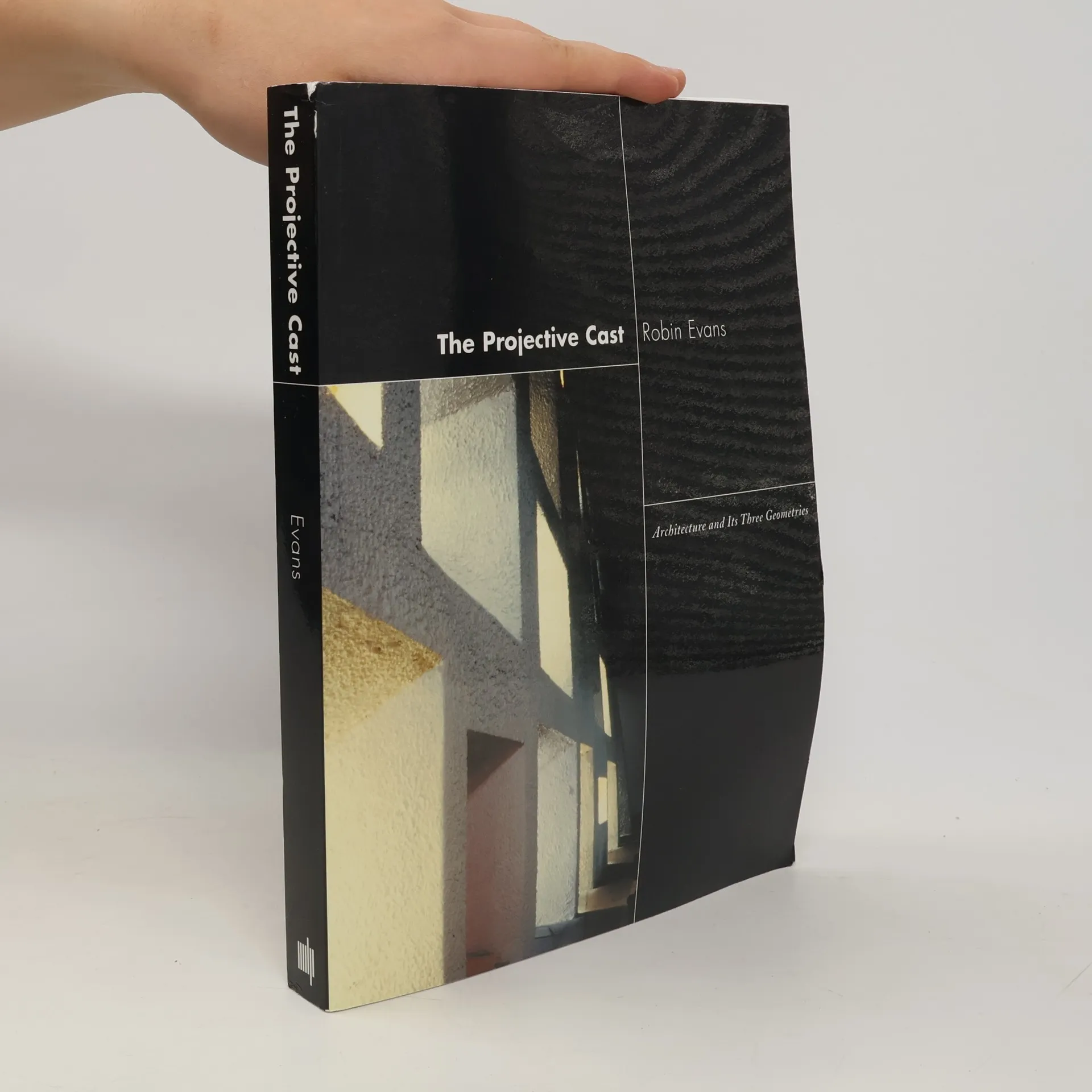
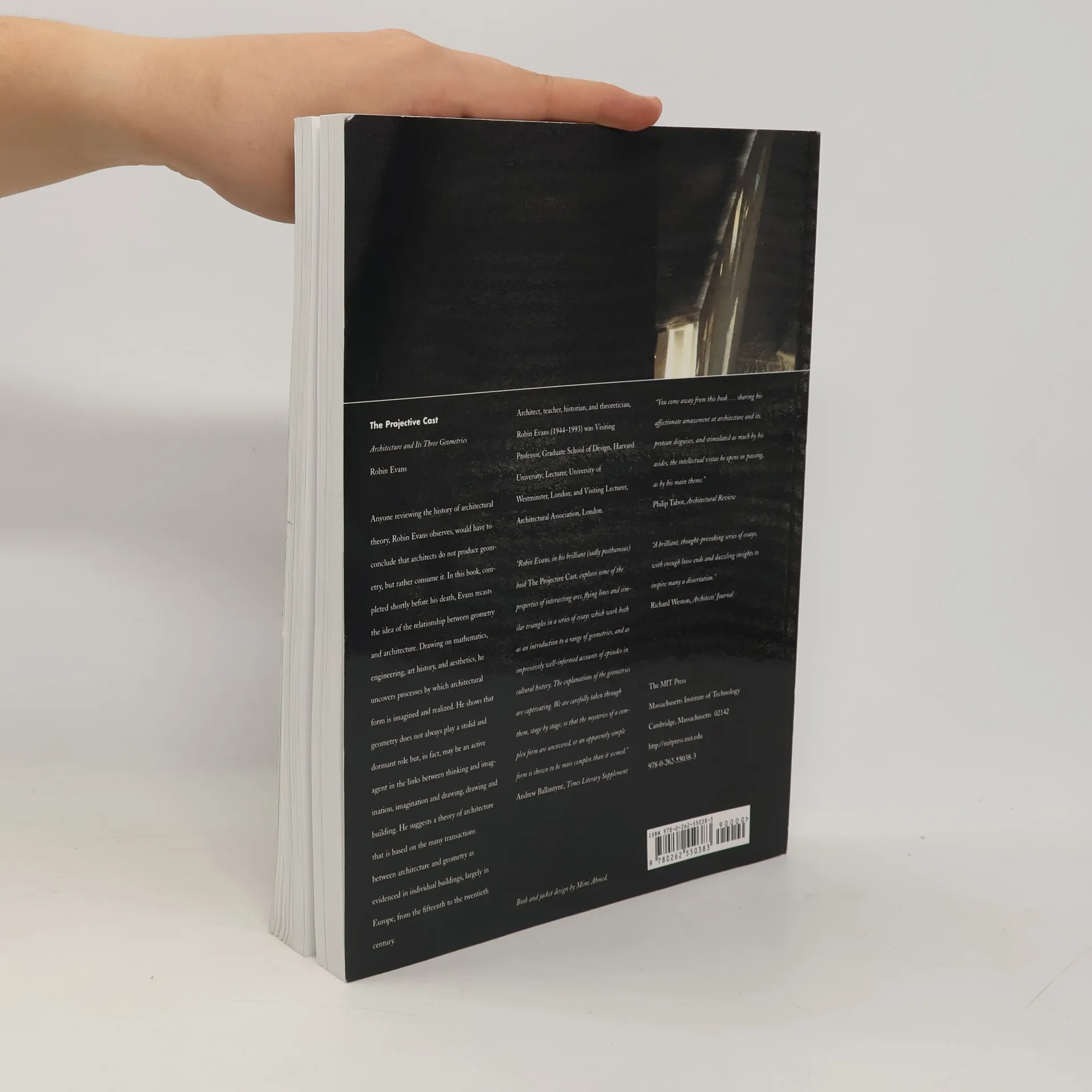
"Evans suggests a theory of architecture that is based on the many transactions between architecture and geometry as evidenced in individual buildings, largely in Europe, from the fifteenth to the twentieth century. From the Henry VII Chapel at Westminster Abbey to Le Corbusier's Ronchamp, from Raphael's Sant'Eligio and the work of Piero della Francesca and Philibert Delorme to Guarino Guarini and the painters of cubism, Evans explores the geometries involved, asking whether they are in fact the stable underpinnings of the creative, intuitive, or rhetorical aspects of architecture. In particular he concentrates on the history of architectural projection, the geometry of vision that has become an internalized and pervasive pictorial method of construction and that, until now, has played only a small part in the development of architectural theory."
Zakup książki
The Projective Cast, Robin Evans
- Język

- Rok wydania
- 2000
- Oprawa
- (miękka)
Metody płatności
Brakuje nam tutaj Twojej recenzji.
- Tytuł
- The Projective Cast
- Podtytuł
- Architecture and Its Three Geometries
- Język
- angielski
- Autorzy
- Robin Evans
- Wydawca
- MIT Press
- Rok wydania
- 2000
- Oprawa
- miękka
- Liczba stron
- 460
- ISBN10
- 0262550385
- ISBN13
- 9780262550383
- Seria
- Ocena
- 4,35 z 5
- Opis
- "Evans suggests a theory of architecture that is based on the many transactions between architecture and geometry as evidenced in individual buildings, largely in Europe, from the fifteenth to the twentieth century. From the Henry VII Chapel at Westminster Abbey to Le Corbusier's Ronchamp, from Raphael's Sant'Eligio and the work of Piero della Francesca and Philibert Delorme to Guarino Guarini and the painters of cubism, Evans explores the geometries involved, asking whether they are in fact the stable underpinnings of the creative, intuitive, or rhetorical aspects of architecture. In particular he concentrates on the history of architectural projection, the geometry of vision that has become an internalized and pervasive pictorial method of construction and that, until now, has played only a small part in the development of architectural theory."