

Więcej o książce
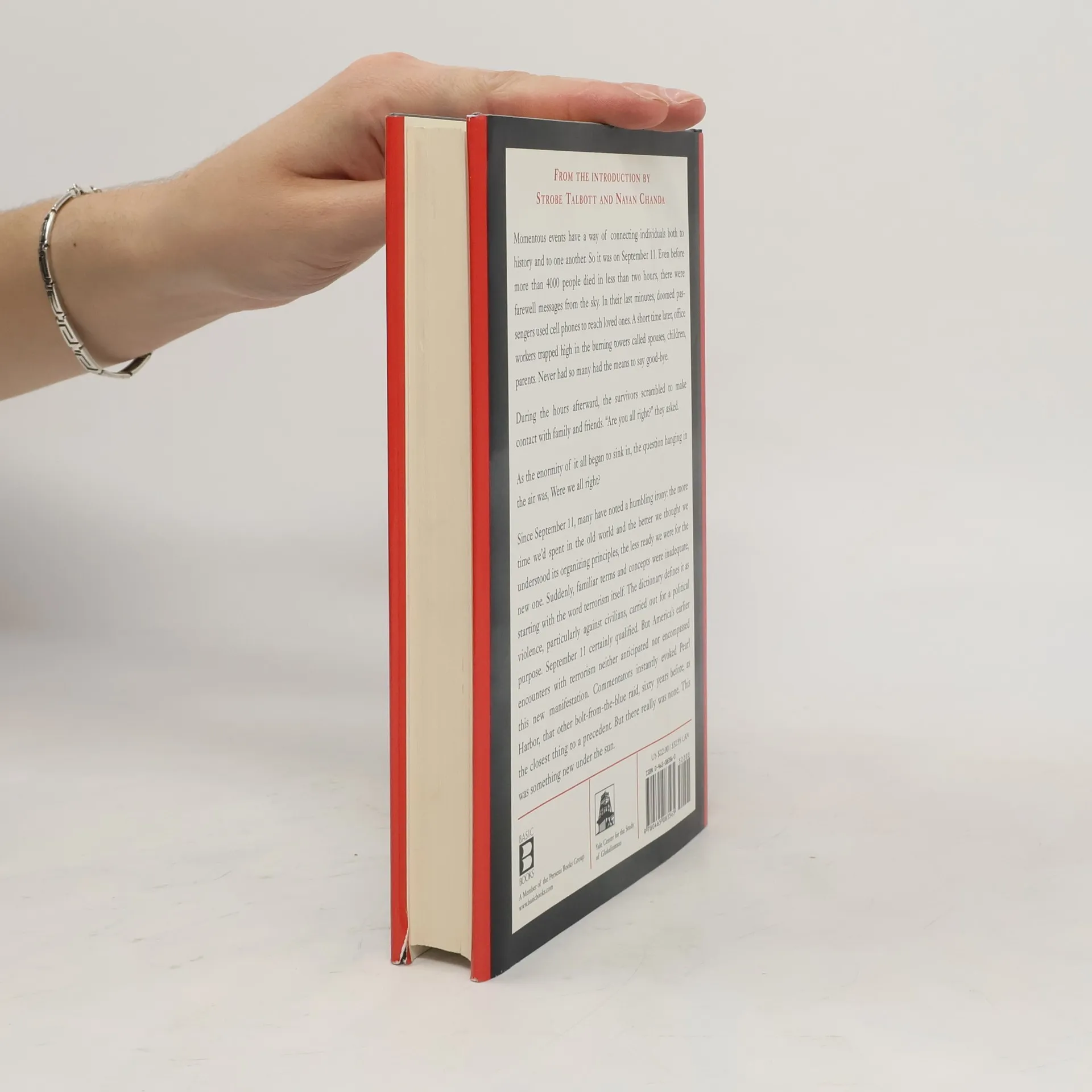
Momentous events have a way of connecting individuals both to history and to one another. So it was on September 11. Even before more than 4000 people died in less than two hours, there were farewell messages from the sky. In their last minutes, doomed passengers used cell phones to reach loved ones. A short time later, office workers trapped high in the burning towers called spouses, children, parents. Never had so many had the means to say good-bye. During the hours afterward, the survivors scrambled to make contact with family and friends. "Are you all right?" they asked. As the enormity of it all began to sink in, the question hanging in the air was, Were we all right? Since September 11, many have noted a humbling irony: the more time we'd spent in the old world and the better we thought we understood its organizing principles, the less ready we were for the new one. Suddenly, familiar terms and concepts were inadequate, starting with the word terrorism itself. The dictionary defines it as violence, particularly against civilians, carried out for a political purpose. September 11 certainly qualified. But American's earlier encounters with terrorism neither anticipated nor encopmassed this new manifestation. Commentators instantly evoked Pearl Harbor, that other bolt-from-the-blue raid, sixty years before, as the closest thing to a precedent. But there really was none. This was something new under the sun.
Zakup książki
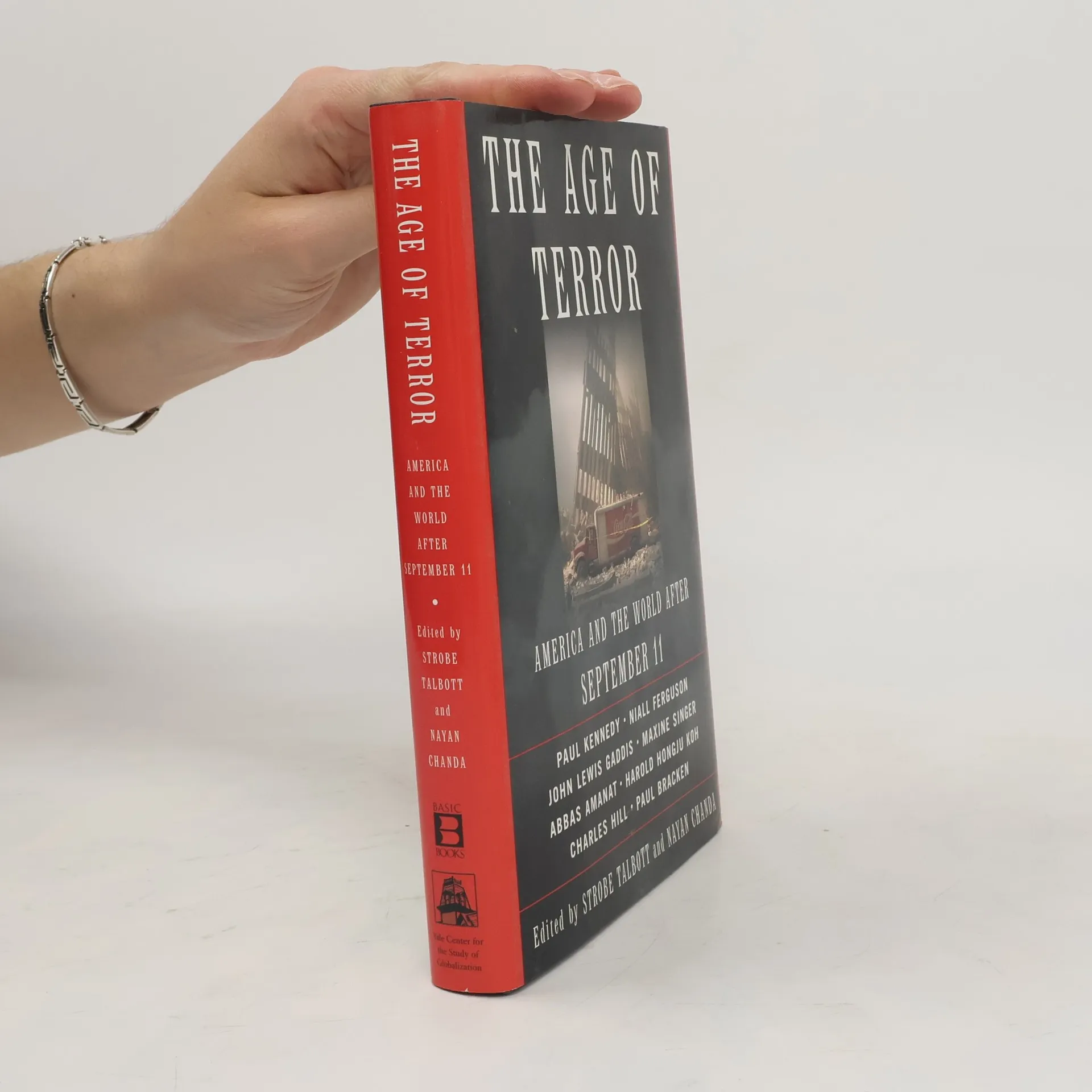
The Age Of Terror, Strobe Talbott, Nayan Chanda
- Język

- Rok wydania
- 2002
- Oprawa
- (twarda)
Metody płatności
Brakuje nam tutaj Twojej recenzji.
- Tytuł
- The Age Of Terror
- Język
- angielski
- Autorzy
- Strobe Talbott, Nayan Chanda
- Wydawca
- Basic Books
- Rok wydania
- 2002
- Oprawa
- twarda
- Liczba stron
- 232
- ISBN10
- 0465083560
- ISBN13
- 9780465083565
- Seria
- Ocena
- 3,1 z 5
- Opis
- Momentous events have a way of connecting individuals both to history and to one another. So it was on September 11. Even before more than 4000 people died in less than two hours, there were farewell messages from the sky. In their last minutes, doomed passengers used cell phones to reach loved ones. A short time later, office workers trapped high in the burning towers called spouses, children, parents. Never had so many had the means to say good-bye. During the hours afterward, the survivors scrambled to make contact with family and friends. "Are you all right?" they asked. As the enormity of it all began to sink in, the question hanging in the air was, Were we all right? Since September 11, many have noted a humbling irony: the more time we'd spent in the old world and the better we thought we understood its organizing principles, the less ready we were for the new one. Suddenly, familiar terms and concepts were inadequate, starting with the word terrorism itself. The dictionary defines it as violence, particularly against civilians, carried out for a political purpose. September 11 certainly qualified. But American's earlier encounters with terrorism neither anticipated nor encopmassed this new manifestation. Commentators instantly evoked Pearl Harbor, that other bolt-from-the-blue raid, sixty years before, as the closest thing to a precedent. But there really was none. This was something new under the sun.