


Ocena książki
Więcej o książce
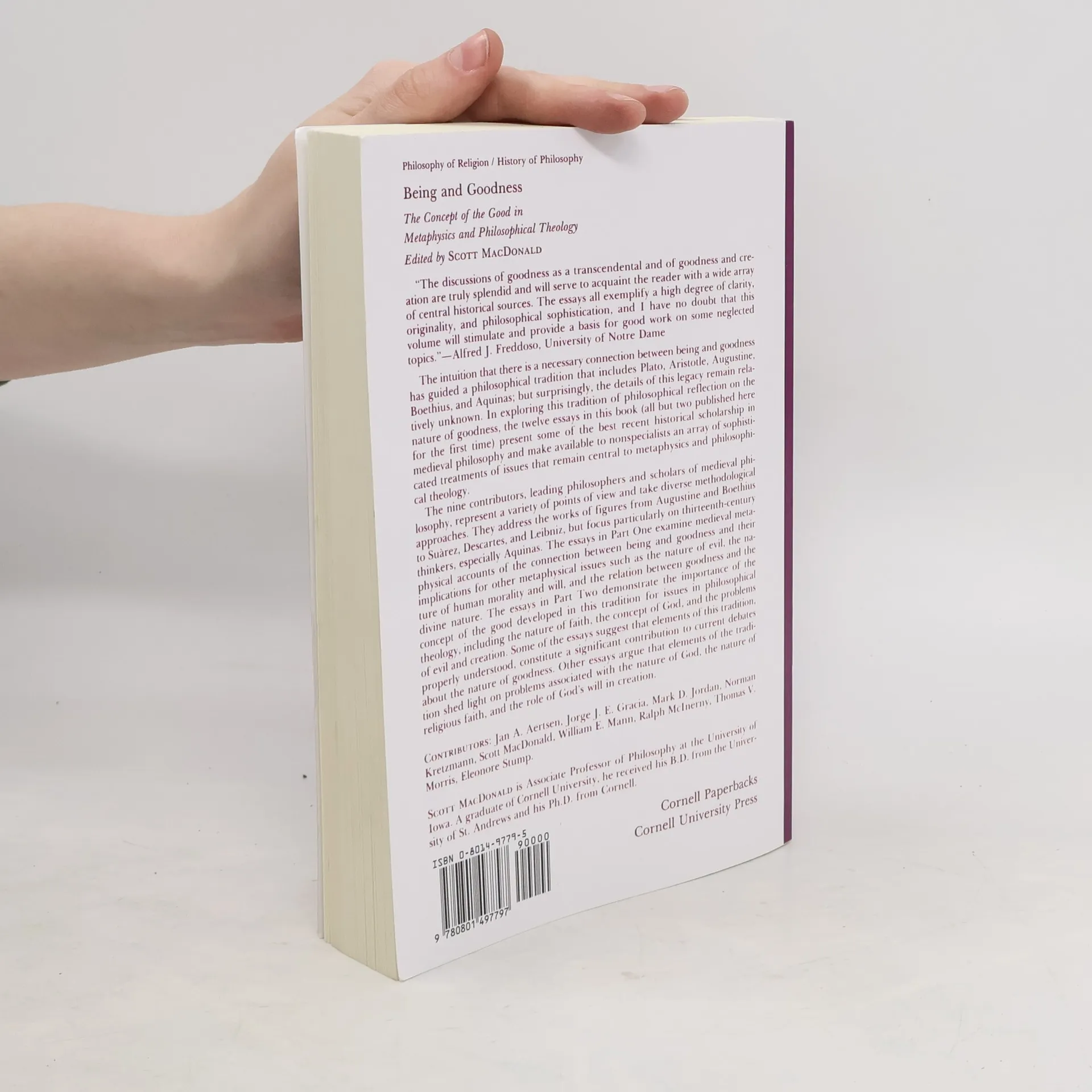
The intuition that there is a necessary connection between being and goodness has guided a philosophical tradition that includes Plato, Aristotle, Augustine, Boethius, and Aquinas; but surprisingly, the details of this legacy remain relatively unknown. In exploring this tradition of philosophical reflection on the nature of goodness, the twelve essays in this book (all but two published here for the first time) present some of the best recent historical scholarship in medieval philosophy and make available to nonspecialists an array of sophisticated treatments of issues that remain central to metaphysics and philosophical theology. The contributors, leading philosophers and scholars of medieval philosophy, represent a variety of points of view and take diverse methodological approaches. They address the works of figures from Augustine and Boethius to Suarez, Descartes, and Leibniz, but focus particularly on thirteenth-century thinkers, especially Aquinas.
Zakup książki
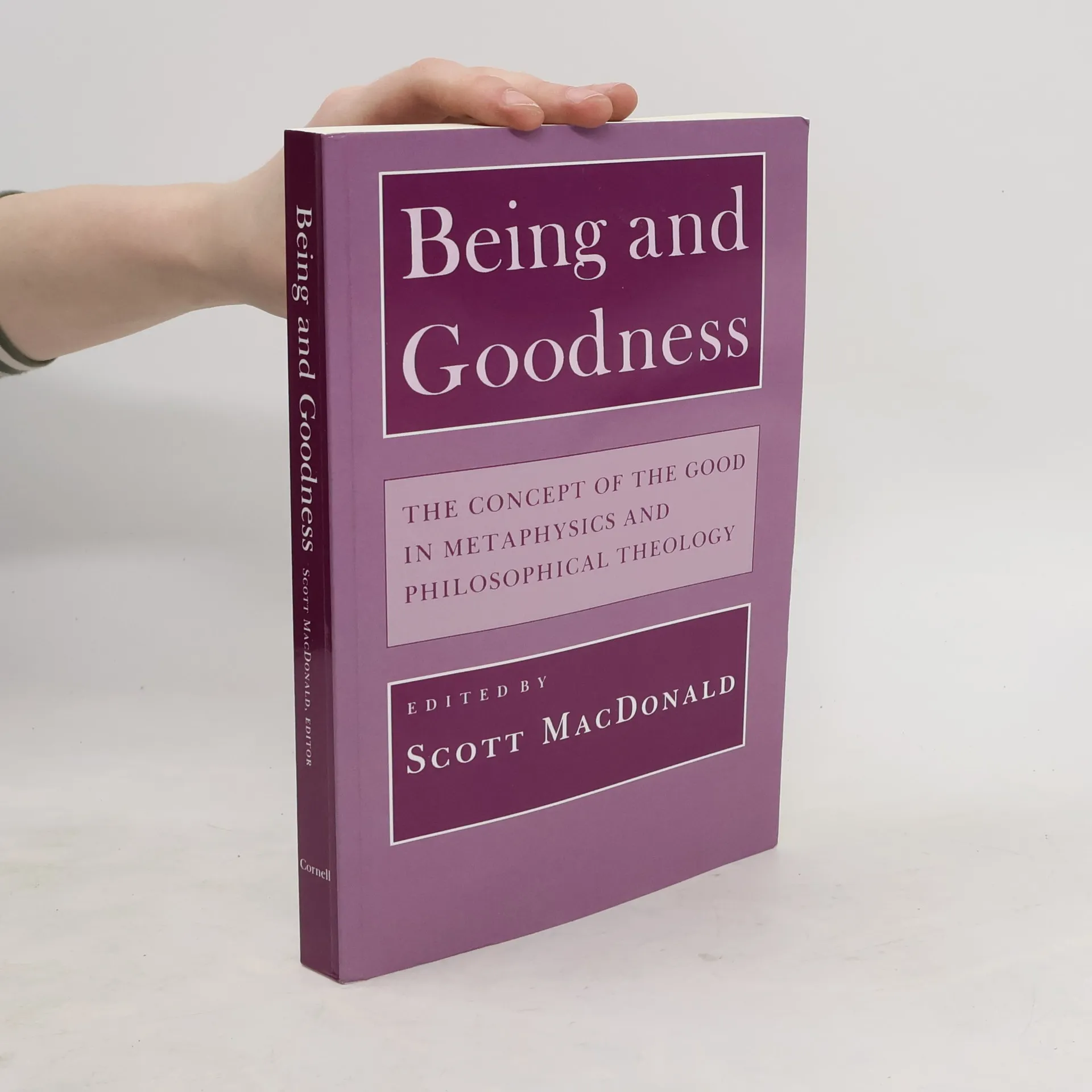
Being and Goodness, Scott Charles MacDonald
- Język

- Rok wydania
- 1991
- Oprawa
- (miękka)
Metody płatności
Brakuje nam tutaj Twojej recenzji.
- Tytuł
- Being and Goodness
- Podtytuł
- The Concept of the Good in Metaphysics and Philosophical Theology
- Język
- angielski
- Autorzy
- Scott Charles MacDonald
- Wydawca
- Cornell University Press
- Rok wydania
- 1991
- Oprawa
- miękka
- Liczba stron
- 336
- ISBN10
- 0801497795
- ISBN13
- 9780801497797
- Seria
- Ocena
- 4,65 z 5
- Opis
- The intuition that there is a necessary connection between being and goodness has guided a philosophical tradition that includes Plato, Aristotle, Augustine, Boethius, and Aquinas; but surprisingly, the details of this legacy remain relatively unknown. In exploring this tradition of philosophical reflection on the nature of goodness, the twelve essays in this book (all but two published here for the first time) present some of the best recent historical scholarship in medieval philosophy and make available to nonspecialists an array of sophisticated treatments of issues that remain central to metaphysics and philosophical theology. The contributors, leading philosophers and scholars of medieval philosophy, represent a variety of points of view and take diverse methodological approaches. They address the works of figures from Augustine and Boethius to Suarez, Descartes, and Leibniz, but focus particularly on thirteenth-century thinkers, especially Aquinas.