

Więcej o książce
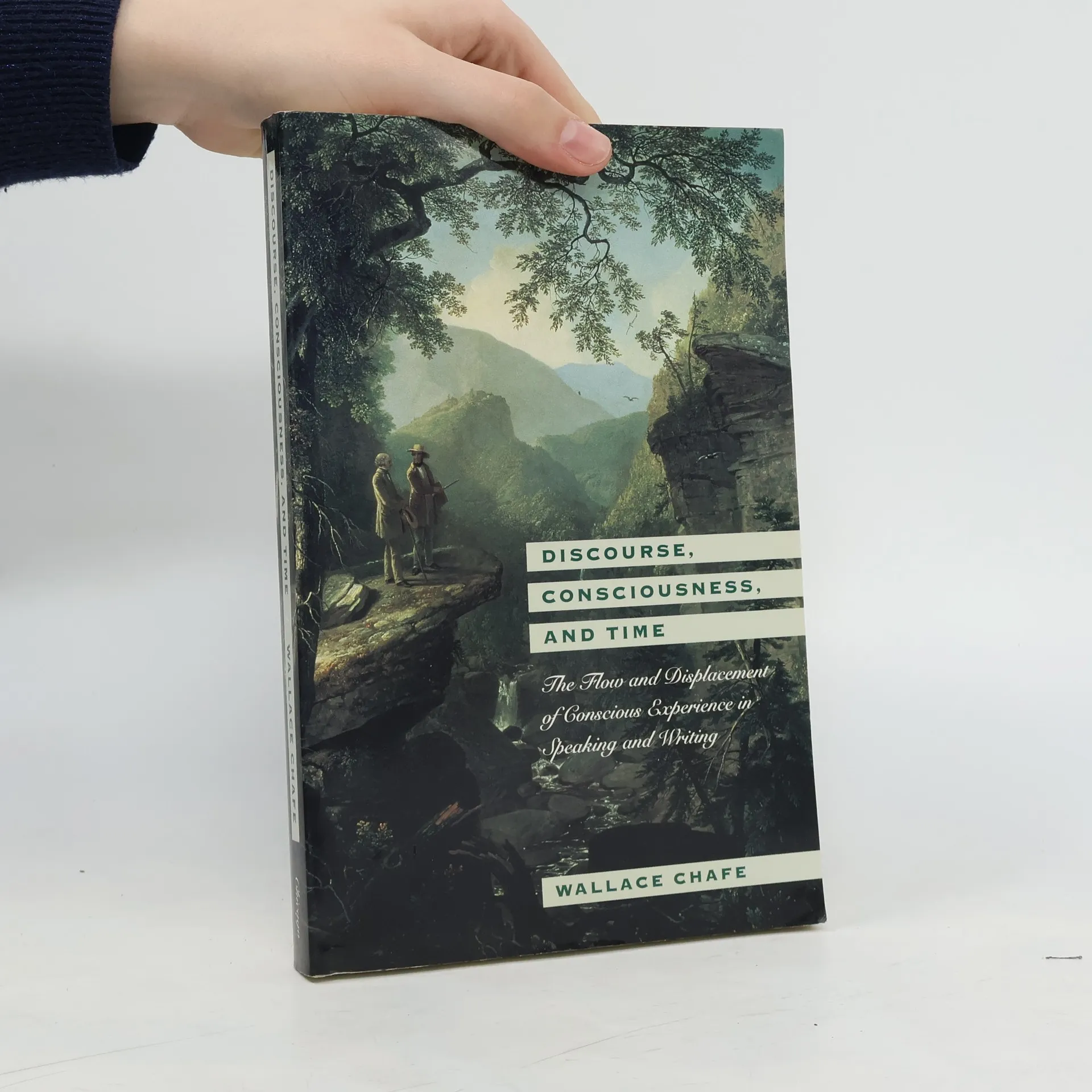
Wallace Chafe demonstrates how the study of language and consciousness together can provide an unexpectedly broad understanding of the way the mind works. Relying on close analyses of conversational speech as well as written fiction and nonfiction, he investigates both the flow of ideas through consciousness and the displacement of consciousness by way of memory and imagination.Chafe draws on several decades of research to demonstrate that understanding the nature of consciousness is essential to understanding many linguistic phenomena, such as pronouns, tense, clause structure, and intonation, as well as stylistic usages, such as the historical present and the free indirect style. While the book focuses on English, there are also discussions of the North American Indian language Seneca and the music of Mozart and of the Seneca people.This work offers a comprehensive picture of the dynamic natures of language and consciousness that will interest linguists, psychologists, literary scholars, computer scientists, anthropologists, and philosophers.
Zakup książki
Discourse, Consciousness, and Time, Wallace L. Chafe
- Język

- Rok wydania
- 1994
- Oprawa
- (miękka)
Metody płatności
Brakuje nam tutaj Twojej recenzji.
- Tytuł
- Discourse, Consciousness, and Time
- Język
- angielski
- Autorzy
- Wallace L. Chafe
- Rok wydania
- 1994
- Oprawa
- miękka
- ISBN10
- 0226100545
- ISBN13
- 9780226100548
- Seria
- Ocena
- 4,5 z 5
- Opis
- Wallace Chafe demonstrates how the study of language and consciousness together can provide an unexpectedly broad understanding of the way the mind works. Relying on close analyses of conversational speech as well as written fiction and nonfiction, he investigates both the flow of ideas through consciousness and the displacement of consciousness by way of memory and imagination.Chafe draws on several decades of research to demonstrate that understanding the nature of consciousness is essential to understanding many linguistic phenomena, such as pronouns, tense, clause structure, and intonation, as well as stylistic usages, such as the historical present and the free indirect style. While the book focuses on English, there are also discussions of the North American Indian language Seneca and the music of Mozart and of the Seneca people.This work offers a comprehensive picture of the dynamic natures of language and consciousness that will interest linguists, psychologists, literary scholars, computer scientists, anthropologists, and philosophers.