


Więcej o książce
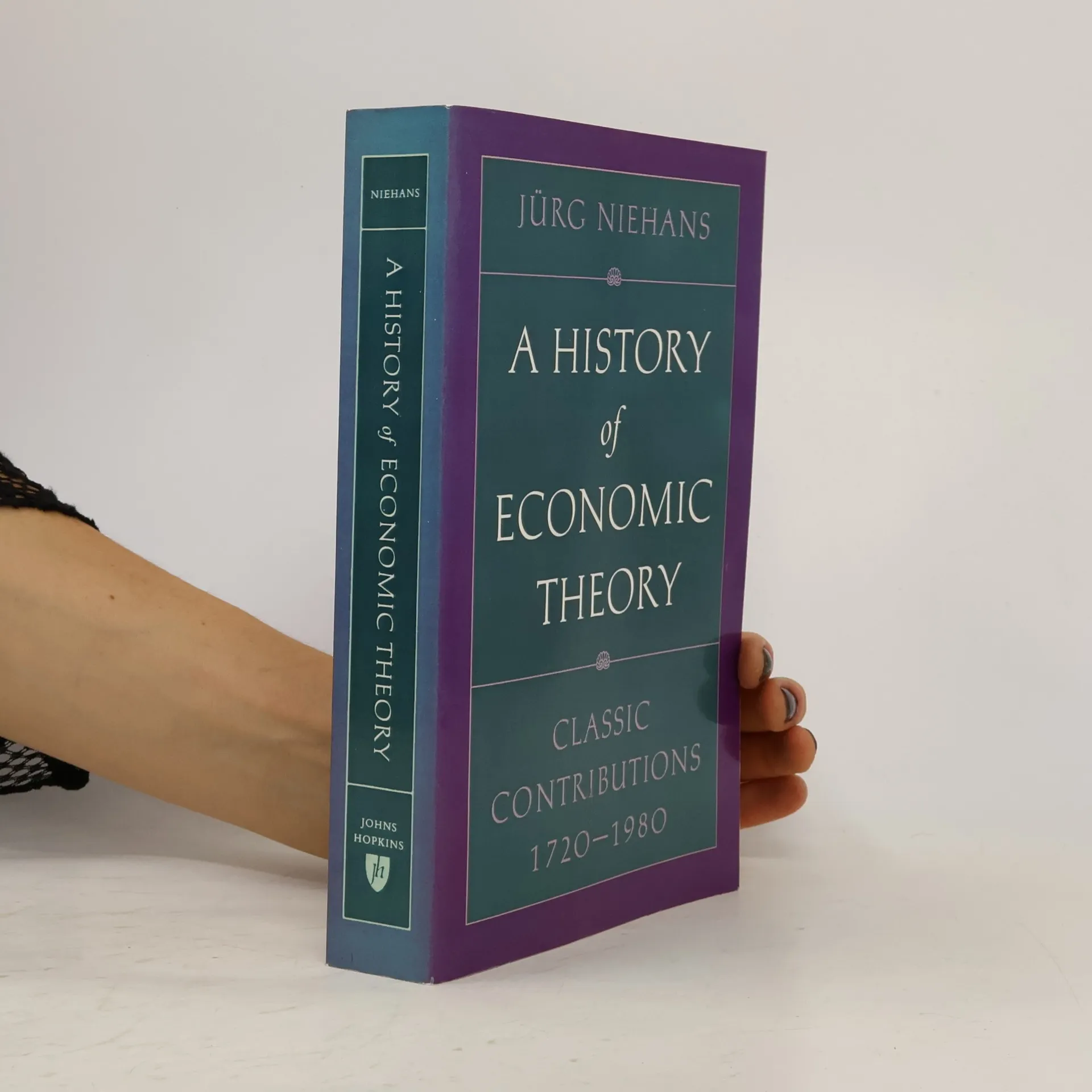
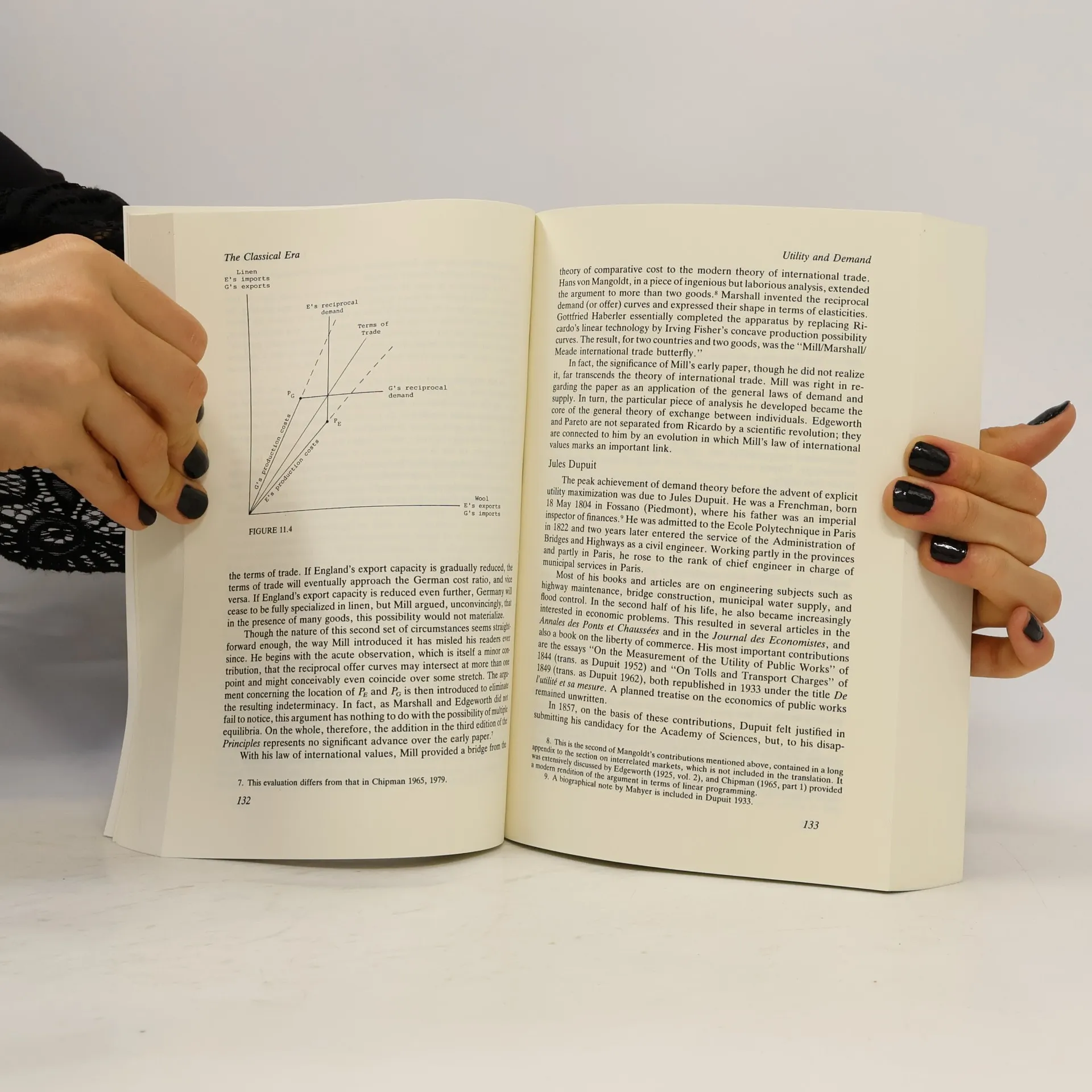
A History of Economic Theory offers a comprehensive account of the builders and building blocks of modern mainstream economics. Jurg Niehans shows how the analytical tools used by economists have evolved from the eighteenth century to the present. Niehans first surveys the development of classical economics from the scholastic and mercantilist traditions to Marx. He then follows the progress of marginalist economics from Thunen to Fischer. In the book's final section, he describes economic theory in the model-building era from Pigou and Keynes to Rational Expectations. Building his story around the economists themselves, Niehans presents a pantheon of economic theory. It includes the famous from Smith and Riccardo to Samuelson and Friedman, as well as detailed discussions of lesser-known figures who have nevertheless made classic contributions. For each theorist Niehans offers a biographical sketch followed by a description, interpretation, and critical assessment of his work. With the current revival of interest in the history of economics, economists will find A History of Economic Theory not only a rich source of information but also a challenging analysis of the dynamics of scientific progress.
Zakup książki
A History of Economic Theory, Jürg Niehans
- Język

- Rok wydania
- 1994
- Oprawa
- (miękka)
Metody płatności
Brakuje nam tutaj Twojej recenzji.
- Tytuł
- A History of Economic Theory
- Język
- angielski
- Autorzy
- Jürg Niehans
- Rok wydania
- 1994
- Oprawa
- miękka
- Liczba stron
- 592
- ISBN10
- 0801849764
- ISBN13
- 9780801849763
- Seria
- Tagi
- Biznes
- Ocena
- 4 z 5
- Opis
- A History of Economic Theory offers a comprehensive account of the builders and building blocks of modern mainstream economics. Jurg Niehans shows how the analytical tools used by economists have evolved from the eighteenth century to the present. Niehans first surveys the development of classical economics from the scholastic and mercantilist traditions to Marx. He then follows the progress of marginalist economics from Thunen to Fischer. In the book's final section, he describes economic theory in the model-building era from Pigou and Keynes to Rational Expectations. Building his story around the economists themselves, Niehans presents a pantheon of economic theory. It includes the famous from Smith and Riccardo to Samuelson and Friedman, as well as detailed discussions of lesser-known figures who have nevertheless made classic contributions. For each theorist Niehans offers a biographical sketch followed by a description, interpretation, and critical assessment of his work. With the current revival of interest in the history of economics, economists will find A History of Economic Theory not only a rich source of information but also a challenging analysis of the dynamics of scientific progress.