



Więcej o książce
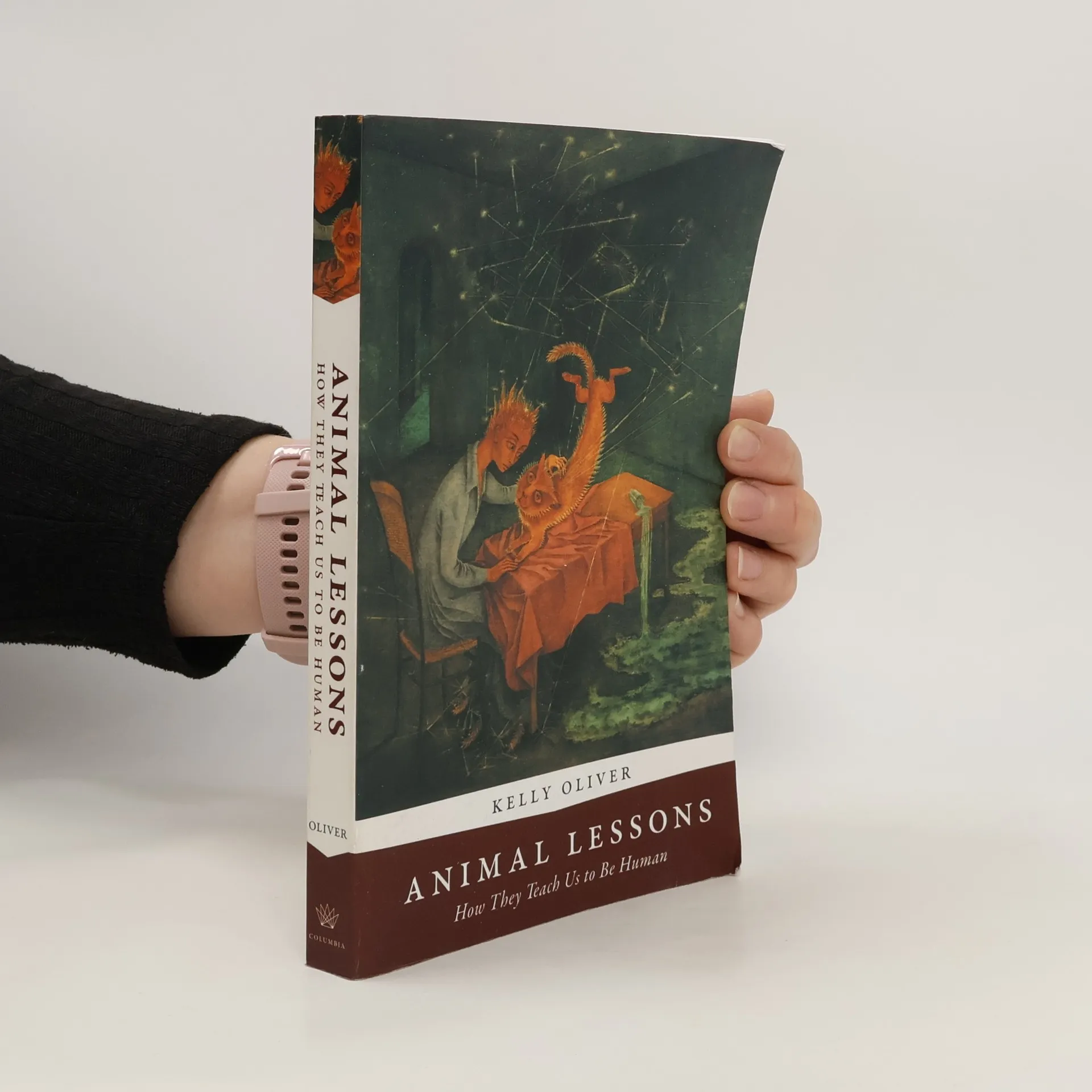
Philosophy reads humanity against animality, arguing that "man" is man because he is separate from beast. Deftly challenging this position, Kelly Oliver proves that, in fact, it is the animal that teaches us to be human. Through their sex, their habits, and our perception of their purpose, animals show us how not to be them.This kinship plays out in a number of ways. We sacrifice animals to establish human kinship, but without the animal, the bonds of "brotherhood" fall apart. Either kinship with animals is possible or kinship with humans is impossible. Philosophy holds that humans and animals are distinct, but in defending this position, the discipline depends on a discourse that relies on the animal for its very definition of the human. Through these and other examples, Oliver does more than just establish an animal ethics. She transforms ethics by showing how its very origin is dependent upon the animal. Examining for the first time the treatment of the animal in the work of Heidegger, Merleau-Ponty, Derrida, Agamben, Freud, Lacan, and Kristeva, among others, Animal Lessons argues that the animal bites back, thereby reopening the question of the animal for philosophy.
Zakup książki
Animal Lessons, Kelly Oliver
- Język

- Rok wydania
- 2009
- Oprawa
- (miękka)
Metody płatności
Brakuje nam tutaj Twojej recenzji.
- Tytuł
- Animal Lessons
- Podtytuł
- How They Teach Us to be Human
- Język
- angielski
- Autorzy
- Kelly Oliver
- Wydawca
- Columbia University Press
- Rok wydania
- 2009
- Oprawa
- miękka
- Liczba stron
- 376
- ISBN10
- 0231147279
- ISBN13
- 9780231147279
- Seria
- Ocena
- 4,1 z 5
- Opis
- Philosophy reads humanity against animality, arguing that "man" is man because he is separate from beast. Deftly challenging this position, Kelly Oliver proves that, in fact, it is the animal that teaches us to be human. Through their sex, their habits, and our perception of their purpose, animals show us how not to be them.This kinship plays out in a number of ways. We sacrifice animals to establish human kinship, but without the animal, the bonds of "brotherhood" fall apart. Either kinship with animals is possible or kinship with humans is impossible. Philosophy holds that humans and animals are distinct, but in defending this position, the discipline depends on a discourse that relies on the animal for its very definition of the human. Through these and other examples, Oliver does more than just establish an animal ethics. She transforms ethics by showing how its very origin is dependent upon the animal. Examining for the first time the treatment of the animal in the work of Heidegger, Merleau-Ponty, Derrida, Agamben, Freud, Lacan, and Kristeva, among others, Animal Lessons argues that the animal bites back, thereby reopening the question of the animal for philosophy.