



Więcej o książce
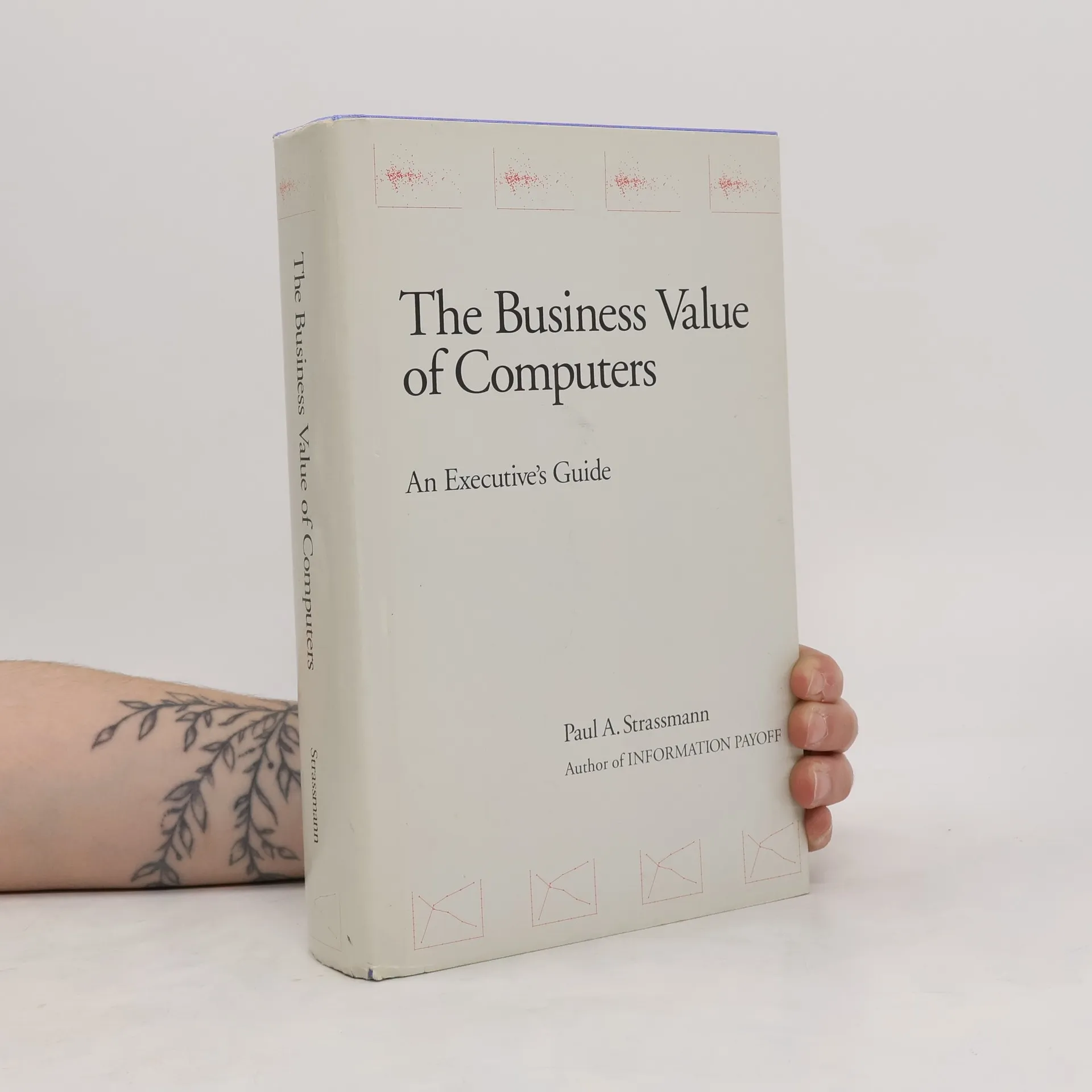
The Business Value of Computers speaks to executives responsible for information technology. Some of the book's findings and 1) There is no relation between spending for computers, profits or productivity. 2) Conventional analysis that apply revenue ratios or return-on-asset measures are unreliable. 3) The published rankings of excellence in using computers do not relate to profitabiilty. 4) The effectiveness of information technology is difficult to evaluate because it mostly supports unmeasurable managerial work. 5) Business over-achievers do not spend more money on comptuers. They concentrate their information technology on business value-added. 6) Business over-achievers automate administrative operations to reduce overhead expenses. 7) Use business value-added to evaluate computer projects. 8) Apply the Return-on-Management to find out where to use computers. 9) Propose business plans with or without added spending to measure the financial contributions of information technology. 10) Rely primarily on financial plans and controls for balancing the costs and benefits of computers. 11) Take advantage of the steady cost reductions available from advances in electronics. 12) Make the communication network the key to future productivity gains. 13) Have computer experts concentrate on the delivery of efficient computer applications. 14) Require that information resources management becomes every manager's job.
Zakup książki
The Business Value of Computers, Paul A Strassmann
- Język

- Rok wydania
- 1990
- Oprawa
- (twarda)
Metody płatności
Brakuje nam tutaj Twojej recenzji.
- Tytuł
- The Business Value of Computers
- Podtytuł
- An Executive's Guide
- Język
- angielski
- Autorzy
- Paul A Strassmann
- Wydawca
- Information Economics Press
- Rok wydania
- 1990
- Oprawa
- twarda
- ISBN10
- 0962041327
- ISBN13
- 9780962041327
- Seria
- Kategorie
- Tagi
- Biznes
- Ocena
- 4,4 z 5
- Opis
- The Business Value of Computers speaks to executives responsible for information technology. Some of the book's findings and 1) There is no relation between spending for computers, profits or productivity. 2) Conventional analysis that apply revenue ratios or return-on-asset measures are unreliable. 3) The published rankings of excellence in using computers do not relate to profitabiilty. 4) The effectiveness of information technology is difficult to evaluate because it mostly supports unmeasurable managerial work. 5) Business over-achievers do not spend more money on comptuers. They concentrate their information technology on business value-added. 6) Business over-achievers automate administrative operations to reduce overhead expenses. 7) Use business value-added to evaluate computer projects. 8) Apply the Return-on-Management to find out where to use computers. 9) Propose business plans with or without added spending to measure the financial contributions of information technology. 10) Rely primarily on financial plans and controls for balancing the costs and benefits of computers. 11) Take advantage of the steady cost reductions available from advances in electronics. 12) Make the communication network the key to future productivity gains. 13) Have computer experts concentrate on the delivery of efficient computer applications. 14) Require that information resources management becomes every manager's job.