

Więcej o książce
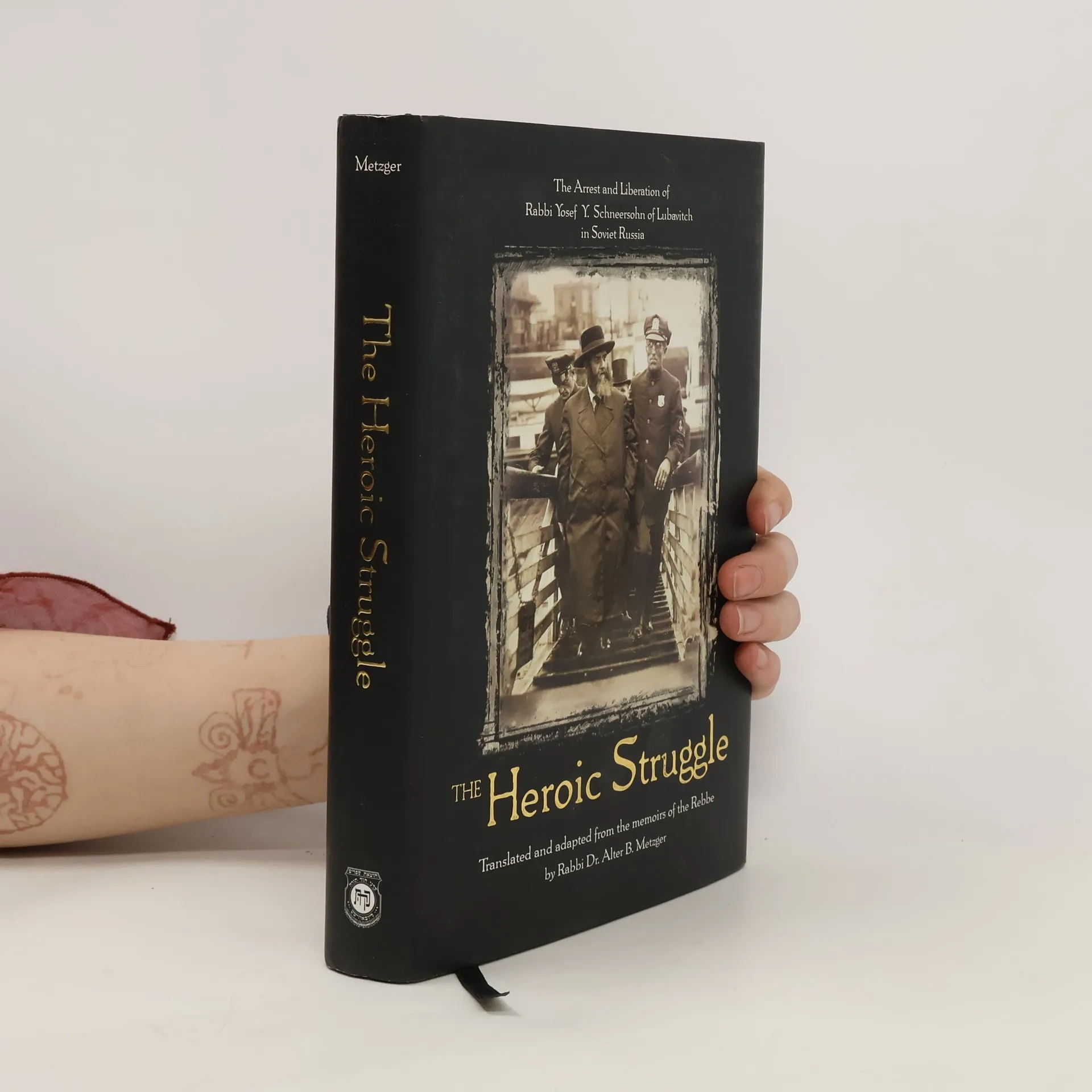
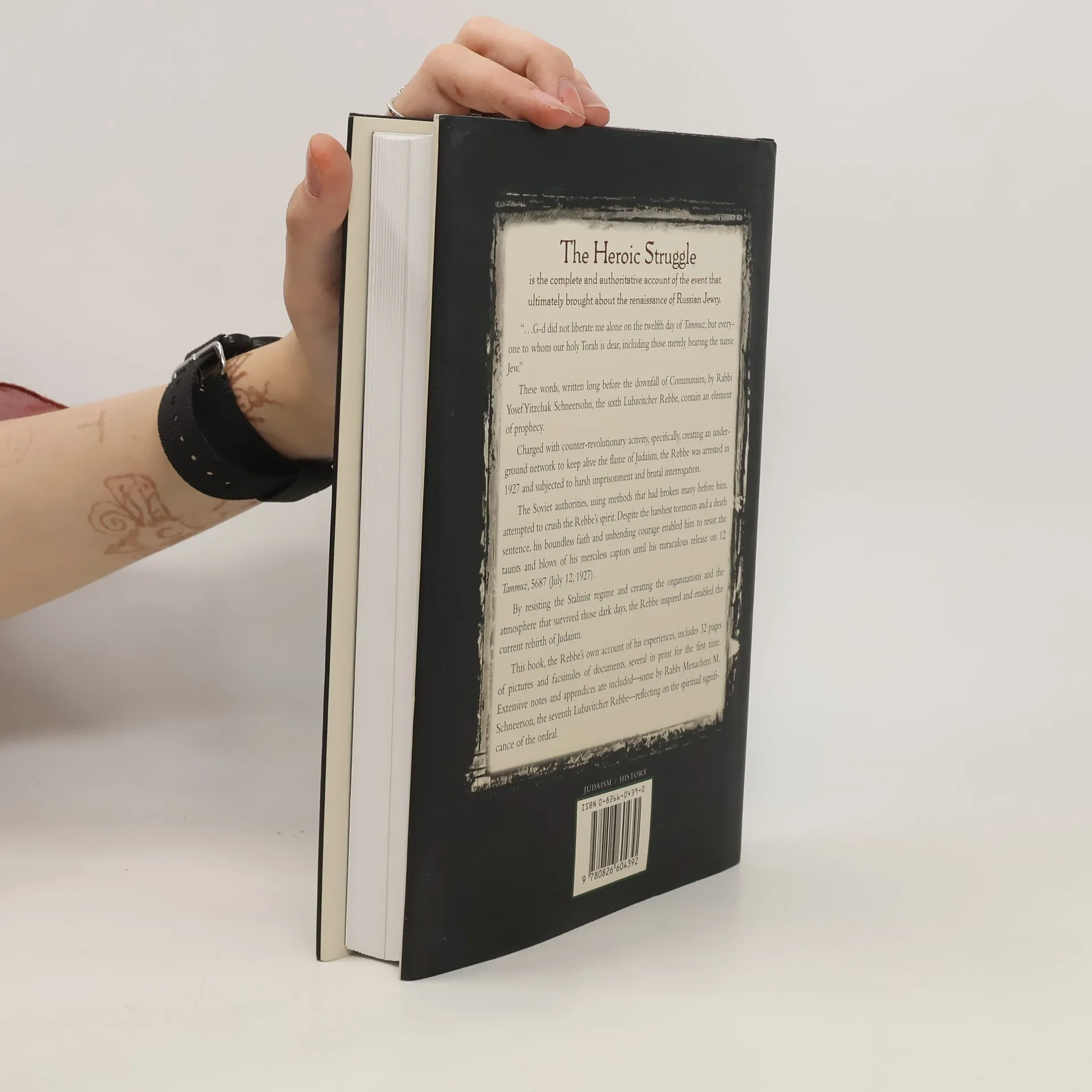
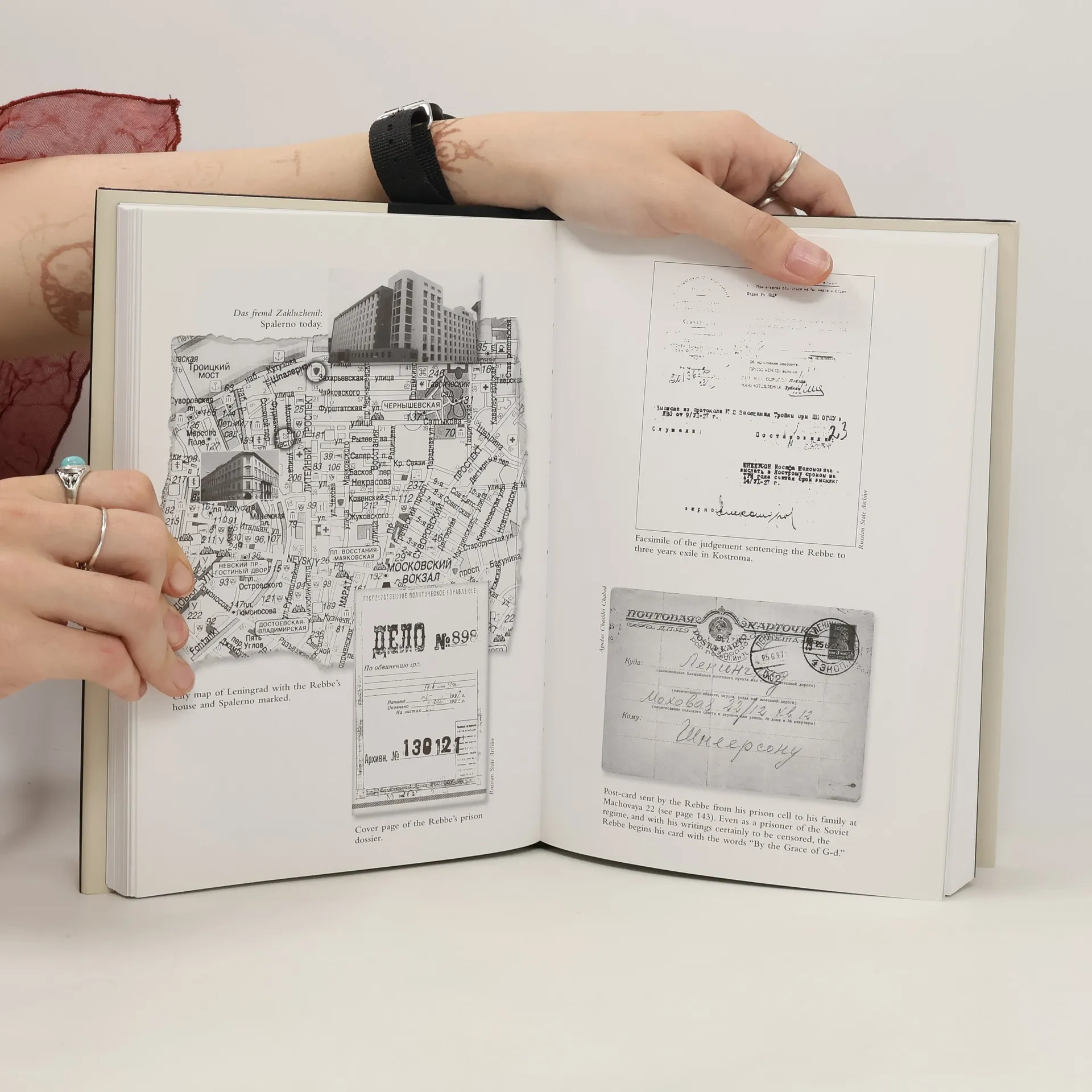
Recounts the 1927 arrest and imprisonment of the sixth Habad-Lubavitcher Rebbe, Yosef Yitzhak Schneersohn, by Soviet authorities, based mainly on his autobiographical notes and supplemented by other sources. Relates how Schneersohn remained steadfast in observing religious practices during 19 days in Leningrad's Spalerno prison. Protest within the country and abroad apparently saved his life and succeeded in getting his sentence changed to ten years imprisonment in the North and then to three years internal exile in Kostroma. This, too, was commuted and he was allowed to emigrate to Riga. Relates his efforts to support an underground network of traditional Jewish education in a hostile environment and to encourage observant Jews in many parts of the USSR. The account stresses persecution from the Yevsektsia (Jewish section) of the Communist Party more than from the party itself, and the resistance of Schneersohn as a leader and inspirer of traditional Judaism in the face of opposition from without and within.
Zakup książki
The Heroic Struggle, Joseph Isaac Schneersohn
- Język

- Rok wydania
- 1999
- Oprawa
- (twarda)
Metody płatności
Nikt jeszcze nie ocenił.
- Tytuł
- The Heroic Struggle
- Podtytuł
- The Arrest and Liberation of Rabbi Yosef Y. Schneersohn of Lubavitch in Soviet Russia
- Język
- angielski
- Autorzy
- Joseph Isaac Schneersohn
- Wydawca
- Merkos L'inyonei Chinuch
- Rok wydania
- 1999
- Oprawa
- twarda
- Liczba stron
- 396
- Seria
- Kategorie
- Opis
- Recounts the 1927 arrest and imprisonment of the sixth Habad-Lubavitcher Rebbe, Yosef Yitzhak Schneersohn, by Soviet authorities, based mainly on his autobiographical notes and supplemented by other sources. Relates how Schneersohn remained steadfast in observing religious practices during 19 days in Leningrad's Spalerno prison. Protest within the country and abroad apparently saved his life and succeeded in getting his sentence changed to ten years imprisonment in the North and then to three years internal exile in Kostroma. This, too, was commuted and he was allowed to emigrate to Riga. Relates his efforts to support an underground network of traditional Jewish education in a hostile environment and to encourage observant Jews in many parts of the USSR. The account stresses persecution from the Yevsektsia (Jewish section) of the Communist Party more than from the party itself, and the resistance of Schneersohn as a leader and inspirer of traditional Judaism in the face of opposition from without and within.