


Więcej o książce
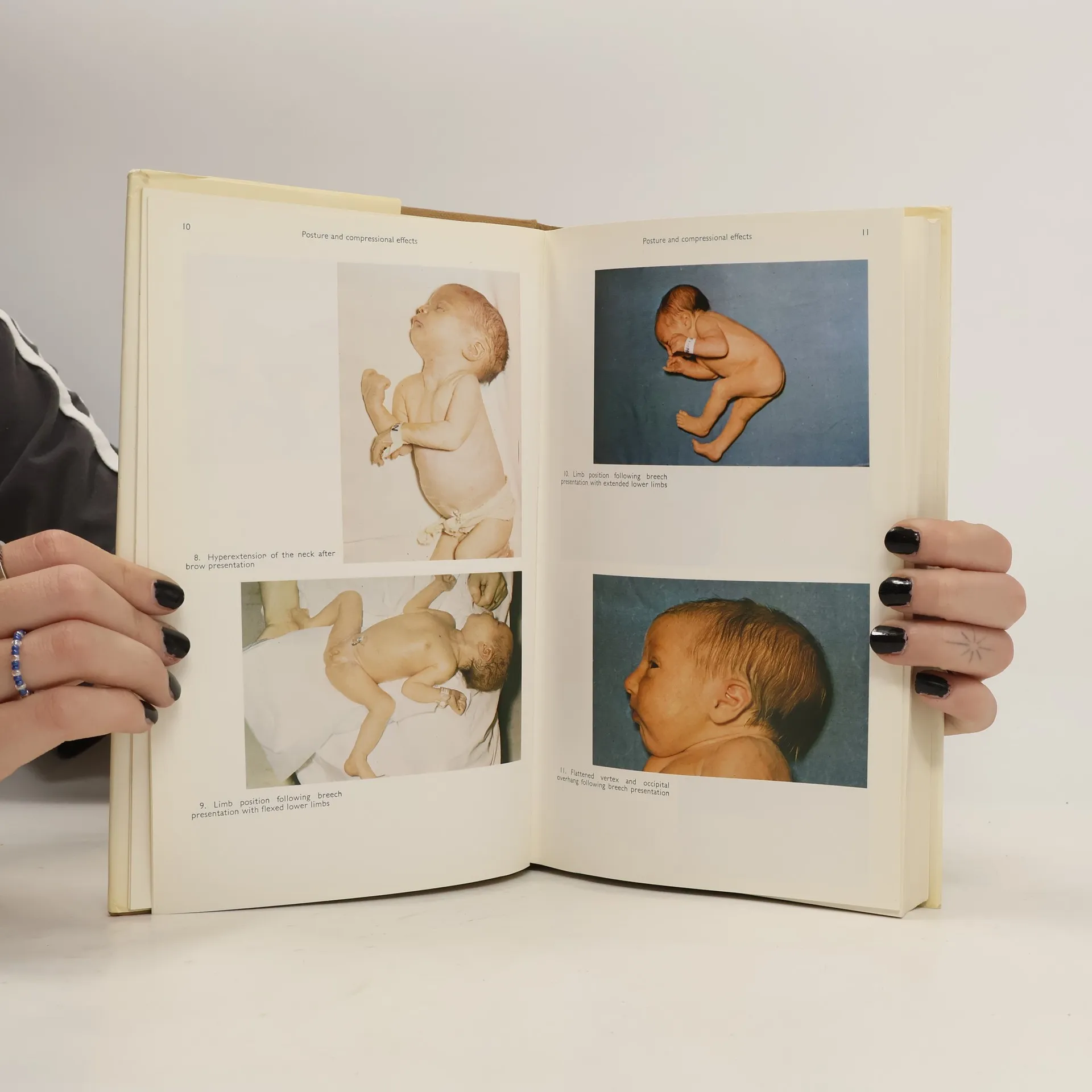
What is the Matter? 245 What is the Plan? 313 Why did it Happen? 325 Could it Happen Again? 326 Section 6 Skin Defects Introduction 333 Vascular Birthmarks 337 Pigmented Birthmarks 357 Partial Thickness Defects 369 Keratinisation Disorders 377 Blistering and Bullous Disorders 381 Neuroectodermal Dysplasias 387 Index 401 Introduction What is a normal newborn infant? To answer that question requires an experience large enough to know the many variations that are considered within a normal range. Some of these variations can be measured, such as weight and length. Others are less easily measured, but have come to be recognized as common variants such as molding of the head or temporary deformations of limbs caused by unusual intrauterine positions. One way to recognize deviations from normal that may require intervention is to have a long experience examining many infants. Another way is to enrich a finite experience by access to a superb collection of photographs taken over a long period by a careful observer. No one student can possibly see all the normal and abnormal variations in newborn infants in the time allotted in most curricula, or for that matter in a lifetime. We are dependent on shared information.
Zakup książki
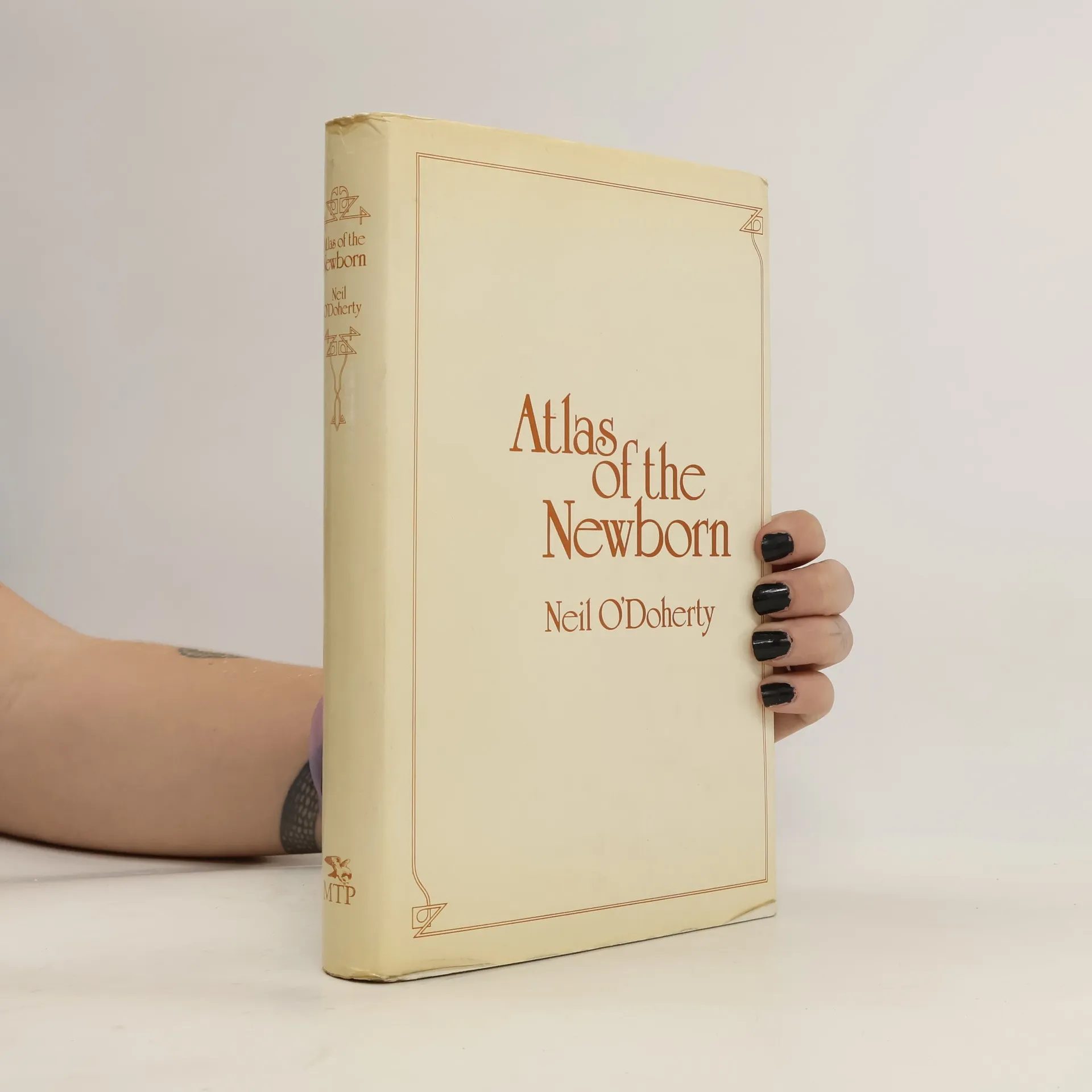
Atlas of the Newborn, N. O'Doherty
- Język

- Rok wydania
- 1979
- Oprawa
- (twarda)
Metody płatności
Brakuje nam tutaj Twojej recenzji.
- Tytuł
- Atlas of the Newborn
- Język
- angielski
- Autorzy
- N. O'Doherty
- Wydawca
- Springer
- Rok wydania
- 1979
- Oprawa
- twarda
- Liczba stron
- 412
- ISBN10
- 085200236X
- ISBN13
- 9780852002360
- Seria
- Kategorie
- Ocena
- 5 z 5
- Opis
- What is the Matter? 245 What is the Plan? 313 Why did it Happen? 325 Could it Happen Again? 326 Section 6 Skin Defects Introduction 333 Vascular Birthmarks 337 Pigmented Birthmarks 357 Partial Thickness Defects 369 Keratinisation Disorders 377 Blistering and Bullous Disorders 381 Neuroectodermal Dysplasias 387 Index 401 Introduction What is a normal newborn infant? To answer that question requires an experience large enough to know the many variations that are considered within a normal range. Some of these variations can be measured, such as weight and length. Others are less easily measured, but have come to be recognized as common variants such as molding of the head or temporary deformations of limbs caused by unusual intrauterine positions. One way to recognize deviations from normal that may require intervention is to have a long experience examining many infants. Another way is to enrich a finite experience by access to a superb collection of photographs taken over a long period by a careful observer. No one student can possibly see all the normal and abnormal variations in newborn infants in the time allotted in most curricula, or for that matter in a lifetime. We are dependent on shared information.