


Ocena książki
Parametry
Więcej o książce
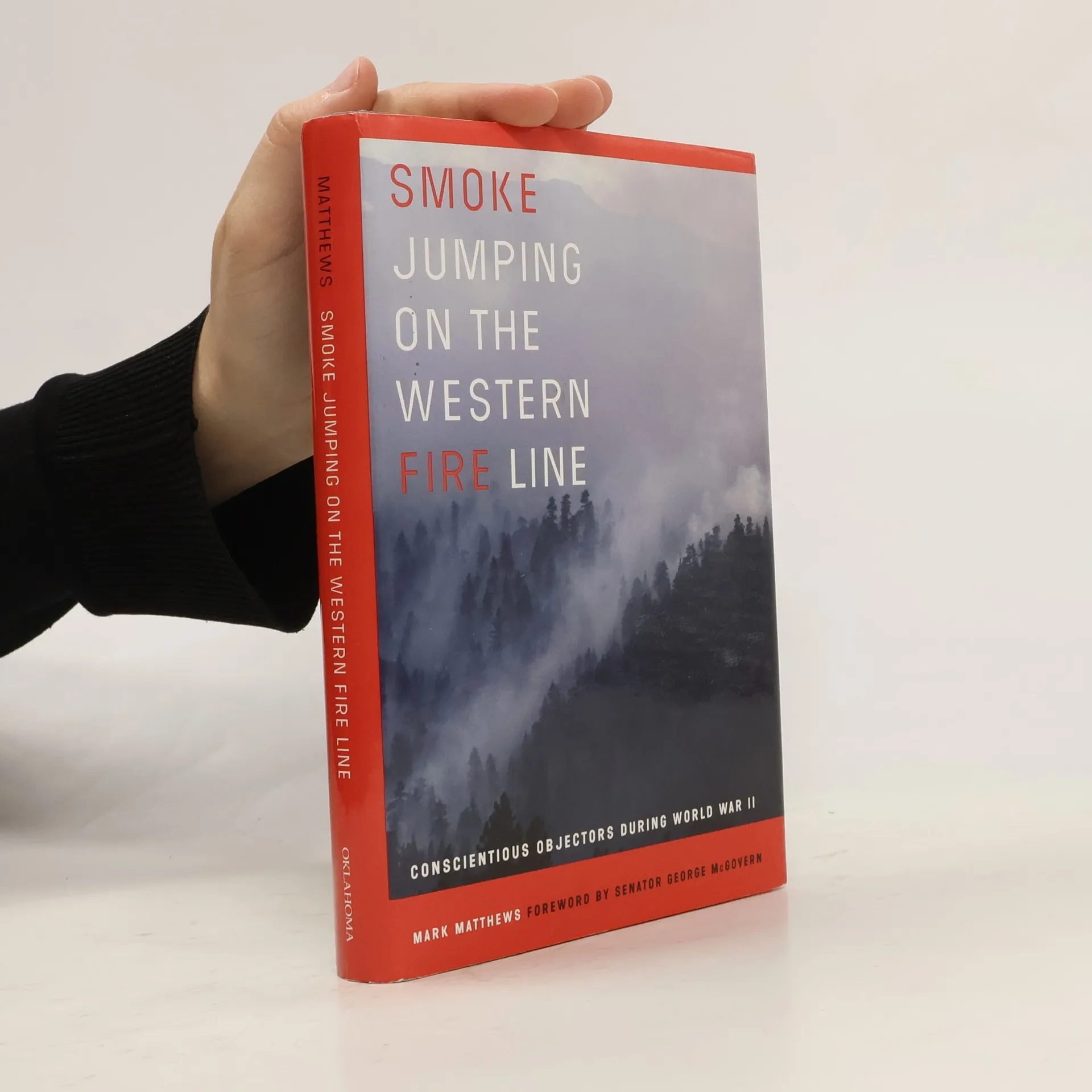
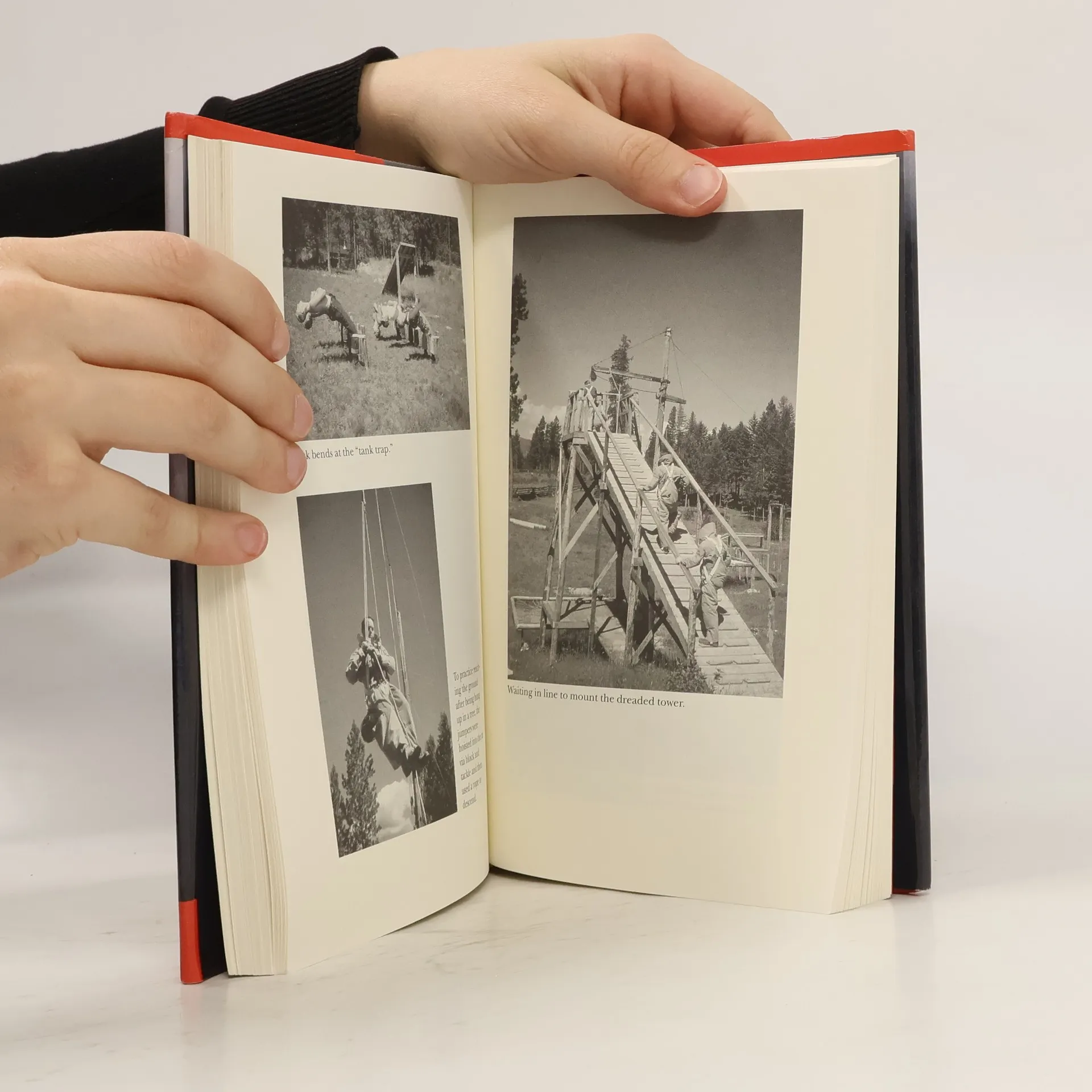
During the Vietnam era, conscientious objectors received both sympathy and admiration from many Americans. It was not so during World War II. The pacifists who chose to sit out that war—some 72,000 men—were publicly derided as "yellowbellies" or extreme cowards. After all, why would anyone refuse to fight against fascism in "the good war"?This book tells the story of one important group of World War II conscientious objectors: the men who volunteered for Civilian Public Service as U.S. Forest Service smoke jumpers. Based in Missoula, Montana, the experimental smoke-jumping program began in 1939, but before the project could expand, the war effort drained available manpower. In 1942, the Civilian Public Service volunteers stepped in. Smoke jumping soon became the Forest Service’s first line of defense against wildfires in the West.Drawing on extensive interviews with World War II conscientious objectors and original documents from the period, Matthews vividly recreates the individual stories of Civilian Public Service smoke jumpers. He also assesses their collective contribution to the development of western wildfire management. By revealing an unknown dimension of American pacifism, Smoke Jumping on the Western Fire Line fills a gap in World War II history and restores the reputation of the brave men who, even in the face of public ostracism, held true to their beliefs and served their country with honor.
Zakup książki
Smoke Jumping on the Western Fire Line, Mark Matthews
- Język

- Rok wydania
- 2006
- Oprawa
- (twarda)
Metody płatności
Brakuje nam tutaj Twojej recenzji.
- Tytuł
- Smoke Jumping on the Western Fire Line
- Podtytuł
- Conscientious Objectors During World War II
- Język
- angielski
- Autorzy
- Mark Matthews
- Wydawca
- University of Oklahoma Press
- Rok wydania
- 2006
- Oprawa
- twarda
- ISBN10
- 0806137665
- ISBN13
- 9780806137667
- Seria
- Kategorie
- Tagi
- Ocena
- 3,9 z 5
- Opis
- During the Vietnam era, conscientious objectors received both sympathy and admiration from many Americans. It was not so during World War II. The pacifists who chose to sit out that war—some 72,000 men—were publicly derided as "yellowbellies" or extreme cowards. After all, why would anyone refuse to fight against fascism in "the good war"?This book tells the story of one important group of World War II conscientious objectors: the men who volunteered for Civilian Public Service as U.S. Forest Service smoke jumpers. Based in Missoula, Montana, the experimental smoke-jumping program began in 1939, but before the project could expand, the war effort drained available manpower. In 1942, the Civilian Public Service volunteers stepped in. Smoke jumping soon became the Forest Service’s first line of defense against wildfires in the West.Drawing on extensive interviews with World War II conscientious objectors and original documents from the period, Matthews vividly recreates the individual stories of Civilian Public Service smoke jumpers. He also assesses their collective contribution to the development of western wildfire management. By revealing an unknown dimension of American pacifism, Smoke Jumping on the Western Fire Line fills a gap in World War II history and restores the reputation of the brave men who, even in the face of public ostracism, held true to their beliefs and served their country with honor.