

Więcej o książce
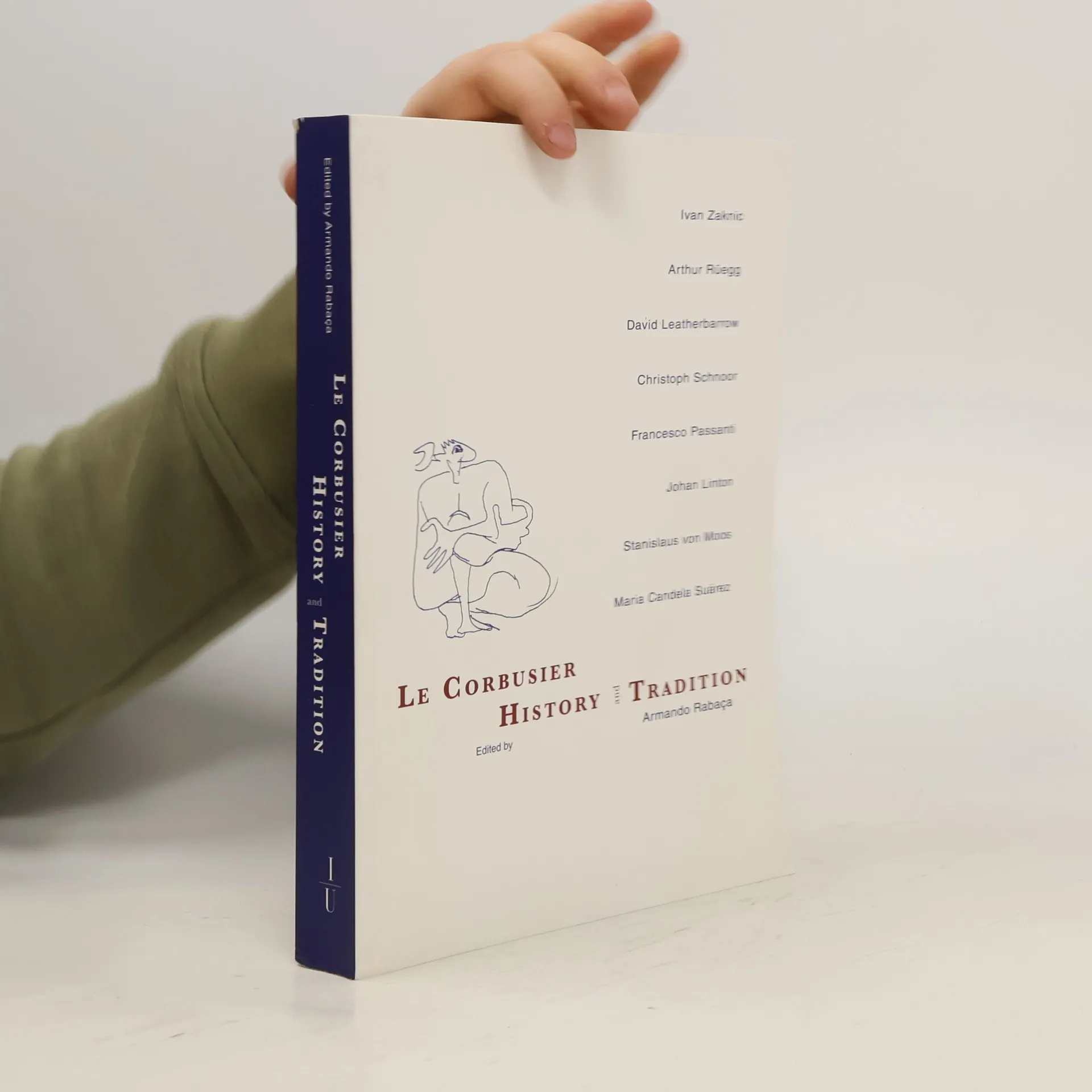
The view of modernism as representing an epistemological break between technology and history and tradition has long been challenged. Le Corbusier’s work has proved to be an inexhaustible reference point in this debate. This is due, on the one hand, to the legacy of nineteenth-century historicism, and on the other to his creative process of creation through destruction which, as John Summerson has noted, is comparable to the processes of avant-garde poets and painters. The contributions to this book explore particular episodes which bring to light both the operative role of the past in the creation of a new abstract synthesis, and Le Corbusier’s modernist historical consciousness. They illustrate how the past participated in the modernist creative process of abstract art, from the 1920s machine aesthetics to the late infatuation with myth. They also shed light on the extent to which the operative quality of the history was framed by a comprehensive historical vision that took the form of metanarrative, which neither the analytical studies on his architecture nor the synthetic approaches to his philosophical thinking should dismiss.
Zakup książki
Le Corbusier, History and Tradition, Armando Rabaça
- Język

- Rok wydania
- 2017
- Oprawa
- (miękka)
Metody płatności
Nikt jeszcze nie ocenił.
- Tytuł
- Le Corbusier, History and Tradition
- Język
- angielski
- Autorzy
- Armando Rabaça
- Rok wydania
- 2017
- Oprawa
- miękka
- Liczba stron
- 294
- ISBN10
- 9892613376
- ISBN13
- 9789892613376
- Seria
- Opis
- The view of modernism as representing an epistemological break between technology and history and tradition has long been challenged. Le Corbusier’s work has proved to be an inexhaustible reference point in this debate. This is due, on the one hand, to the legacy of nineteenth-century historicism, and on the other to his creative process of creation through destruction which, as John Summerson has noted, is comparable to the processes of avant-garde poets and painters. The contributions to this book explore particular episodes which bring to light both the operative role of the past in the creation of a new abstract synthesis, and Le Corbusier’s modernist historical consciousness. They illustrate how the past participated in the modernist creative process of abstract art, from the 1920s machine aesthetics to the late infatuation with myth. They also shed light on the extent to which the operative quality of the history was framed by a comprehensive historical vision that took the form of metanarrative, which neither the analytical studies on his architecture nor the synthetic approaches to his philosophical thinking should dismiss.