


Więcej o książce
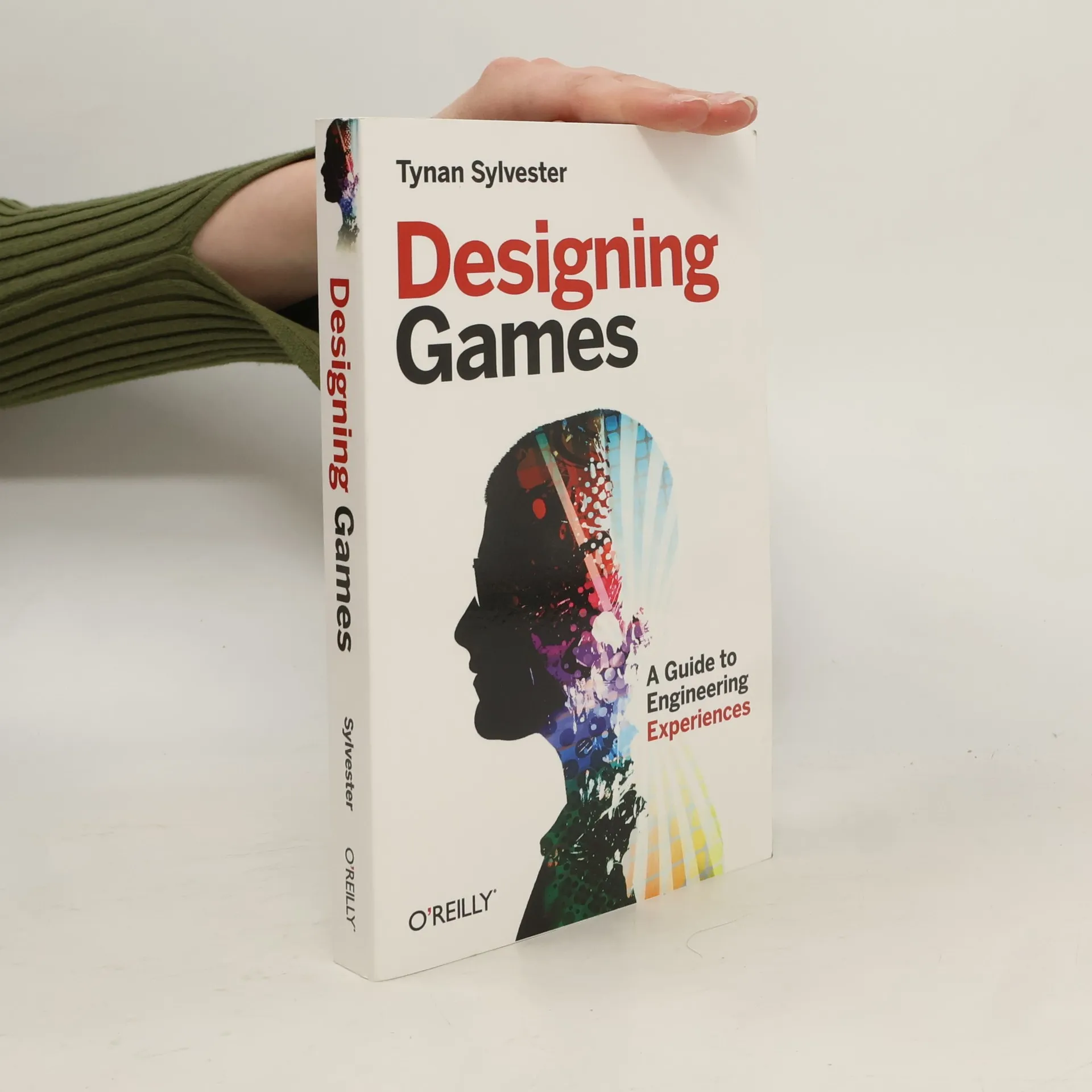
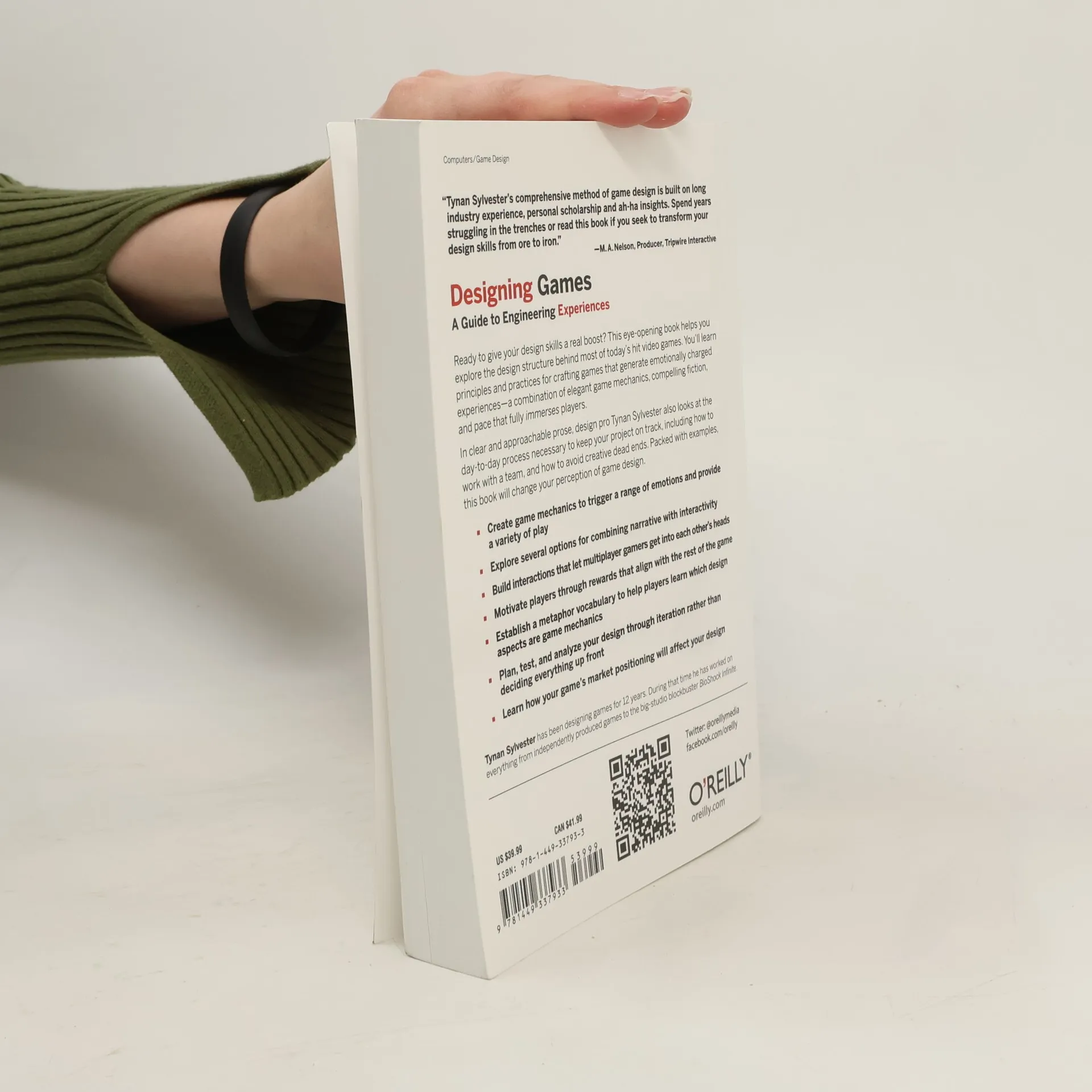
How do you design a video game that people love to play? In this practical guide, game designer Tynan Sylvester shows you how to create emotionally charged experiences through the right combination of game mechanics, fictional wrapping, and story. You’ll learn design principles and practices used by top studios, backed by examples from today’s most popular games. This book also takes you through the day-to-day process necessary to keep your project on track: when to build and when to test, how to work with a team, and how to avoid creative dead ends. Explore topics such as: Integration: thread fictional elements and games rules together into a single system of meaning Emergence: generate plot, character, and theme in response to a player’s decisions Compulsion: understand the difference between motivating players and fulfilling them, and how to do each Elegance: maximize a game’s emotional power and variety of play experiences while minimizing the burden on players—and your team Iteration: plan, test, and analyze your design in stages instead of trying to decide everything up front
Zakup książki
Designing Games, Tynan Sylvester
- Język

- Rok wydania
- 2013
- Oprawa
- (miękka)
Metody płatności
Brakuje nam tutaj Twojej recenzji.
- Tytuł
- Designing Games
- Język
- angielski
- Autorzy
- Tynan Sylvester
- Wydawca
- O'Reilly
- Rok wydania
- 2013
- Oprawa
- miękka
- Liczba stron
- 416
- ISBN10
- 1449337937
- ISBN13
- 9781449337933
- Seria
- Kategorie
- Tagi
- Gry
- Ocena
- 4,45 z 5
- Opis
- How do you design a video game that people love to play? In this practical guide, game designer Tynan Sylvester shows you how to create emotionally charged experiences through the right combination of game mechanics, fictional wrapping, and story. You’ll learn design principles and practices used by top studios, backed by examples from today’s most popular games. This book also takes you through the day-to-day process necessary to keep your project on track: when to build and when to test, how to work with a team, and how to avoid creative dead ends. Explore topics such as: Integration: thread fictional elements and games rules together into a single system of meaning Emergence: generate plot, character, and theme in response to a player’s decisions Compulsion: understand the difference between motivating players and fulfilling them, and how to do each Elegance: maximize a game’s emotional power and variety of play experiences while minimizing the burden on players—and your team Iteration: plan, test, and analyze your design in stages instead of trying to decide everything up front