


Więcej o książce
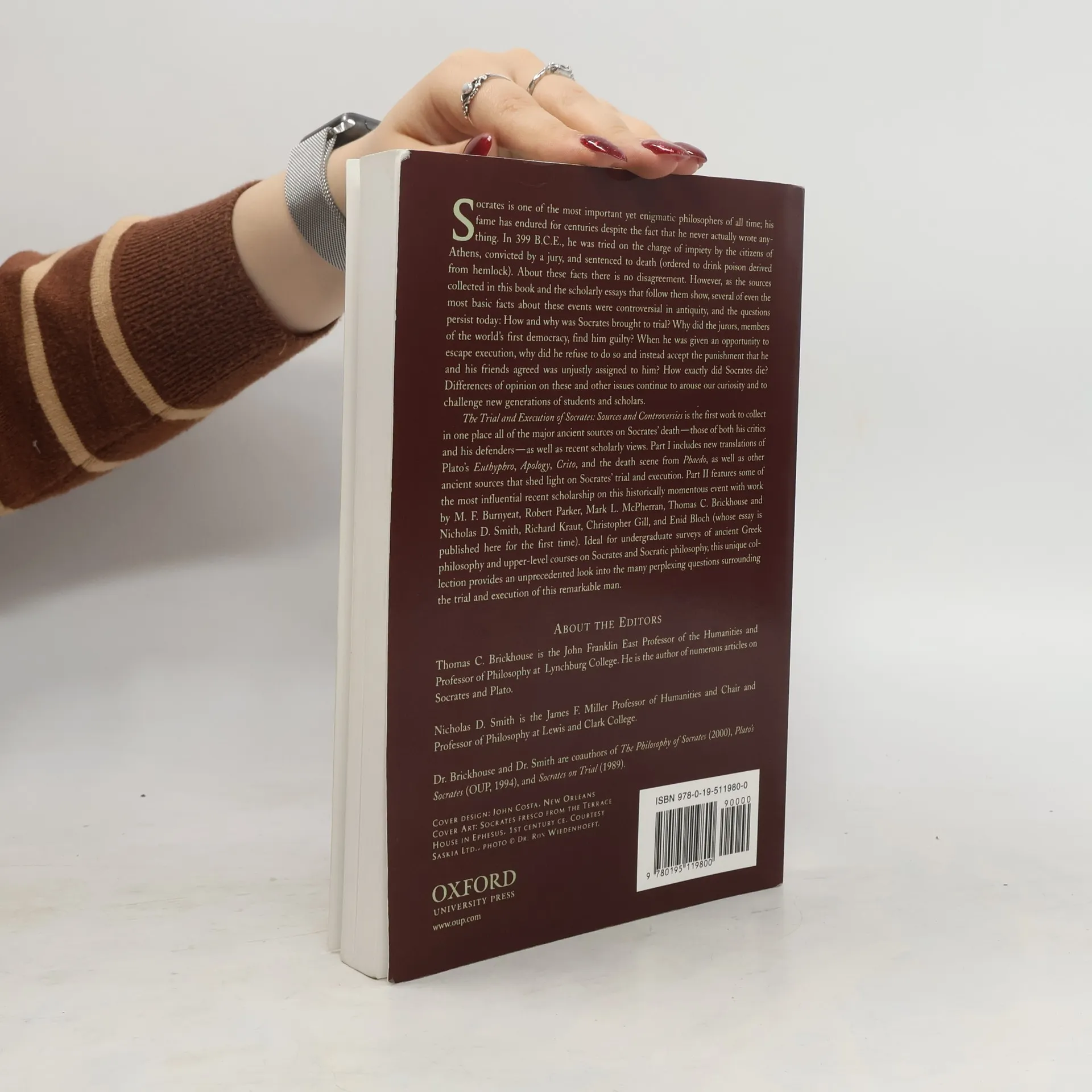
Socrates, a pivotal yet enigmatic figure in philosophy, never wrote anything himself, yet his legacy endures. In 399 B.C.E., he faced trial in Athens for impiety, was convicted, and sentenced to death by consuming hemlock. While these events are well-documented, many fundamental aspects remain contentious. Questions linger about the motivations behind his trial, the jurors' decision in the world's first democracy, and Socrates' choice to accept his punishment rather than escape. The circumstances of his death also provoke debate, captivating students and scholars alike. This collection presents all major ancient sources concerning Socrates' death, encompassing perspectives from both critics and supporters, along with contemporary scholarly interpretations. Part I offers new translations of key texts, including Plato's Euthyphro, Apology, Crito, and the death scene from Phaedo, alongside other ancient writings that illuminate the trial and execution. Part II compiles influential modern scholarship on this significant historical event, featuring contributions from notable scholars such as M.F. Burnyeat, Robert Parker, and Enid Bloch, whose work appears here for the first time. This unique anthology serves as an invaluable resource for undergraduate courses in ancient Greek philosophy and advanced studies on Socrates, addressing the enduring questions surrounding his trial and execution.
Zakup książki
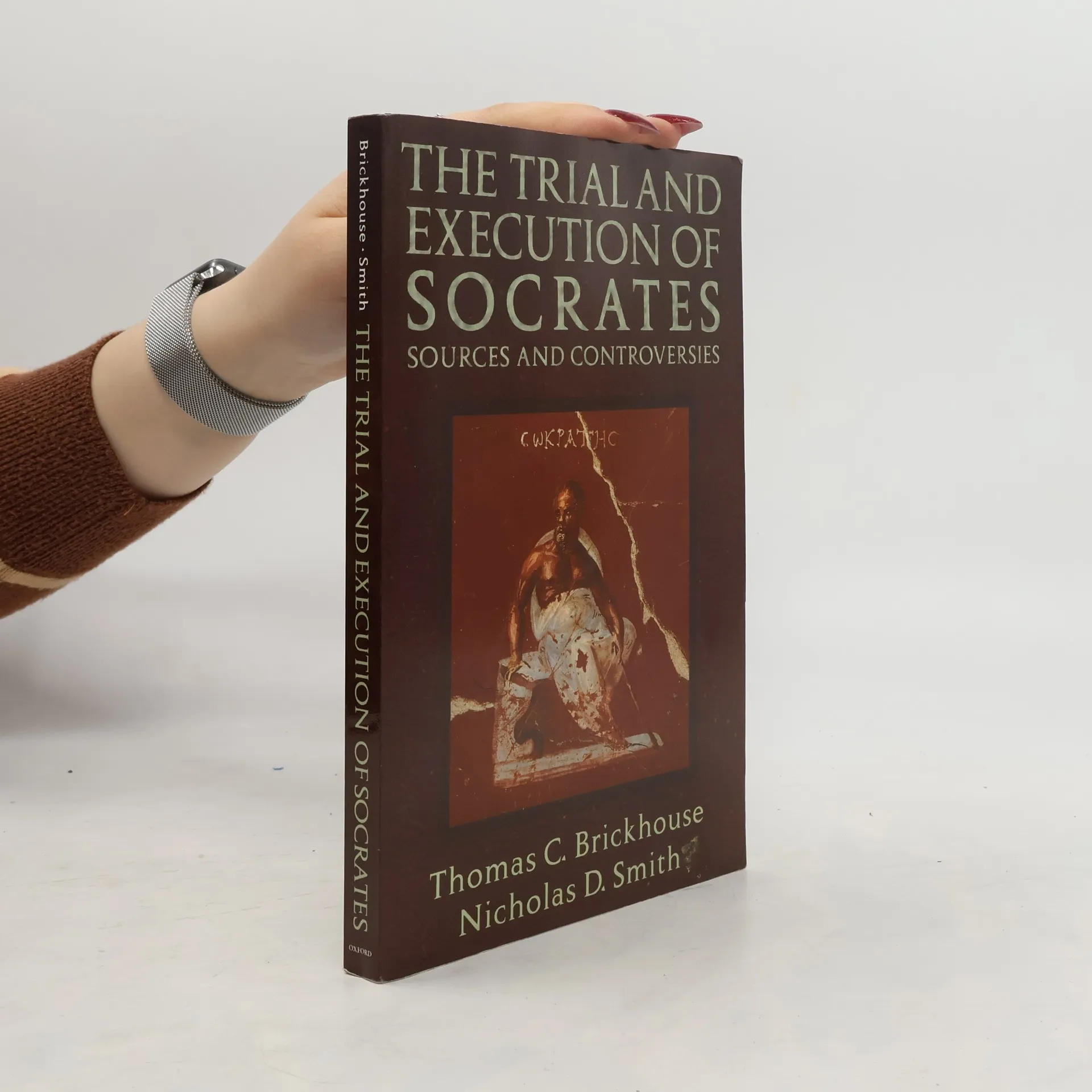
The Trial and Execution of Socrates, Thomas C Brickhouse, Nicholas D Smith
- Język

- Rok wydania
- 2002
- Oprawa
- (miękka)
Metody płatności
Brakuje nam tutaj Twojej recenzji.
- Tytuł
- The Trial and Execution of Socrates
- Podtytuł
- Sources and Controversies
- Język
- angielski
- Autorzy
- Thomas C Brickhouse, Nicholas D Smith
- Wydawca
- Oxford University Press, USA
- Rok wydania
- 2002
- Oprawa
- miękka
- Liczba stron
- 286
- ISBN10
- 0195119800
- ISBN13
- 9780195119800
- Seria
- Ocena
- 3,9 z 5
- Opis
- Socrates, a pivotal yet enigmatic figure in philosophy, never wrote anything himself, yet his legacy endures. In 399 B.C.E., he faced trial in Athens for impiety, was convicted, and sentenced to death by consuming hemlock. While these events are well-documented, many fundamental aspects remain contentious. Questions linger about the motivations behind his trial, the jurors' decision in the world's first democracy, and Socrates' choice to accept his punishment rather than escape. The circumstances of his death also provoke debate, captivating students and scholars alike. This collection presents all major ancient sources concerning Socrates' death, encompassing perspectives from both critics and supporters, along with contemporary scholarly interpretations. Part I offers new translations of key texts, including Plato's Euthyphro, Apology, Crito, and the death scene from Phaedo, alongside other ancient writings that illuminate the trial and execution. Part II compiles influential modern scholarship on this significant historical event, featuring contributions from notable scholars such as M.F. Burnyeat, Robert Parker, and Enid Bloch, whose work appears here for the first time. This unique anthology serves as an invaluable resource for undergraduate courses in ancient Greek philosophy and advanced studies on Socrates, addressing the enduring questions surrounding his trial and execution.