

Więcej o książce
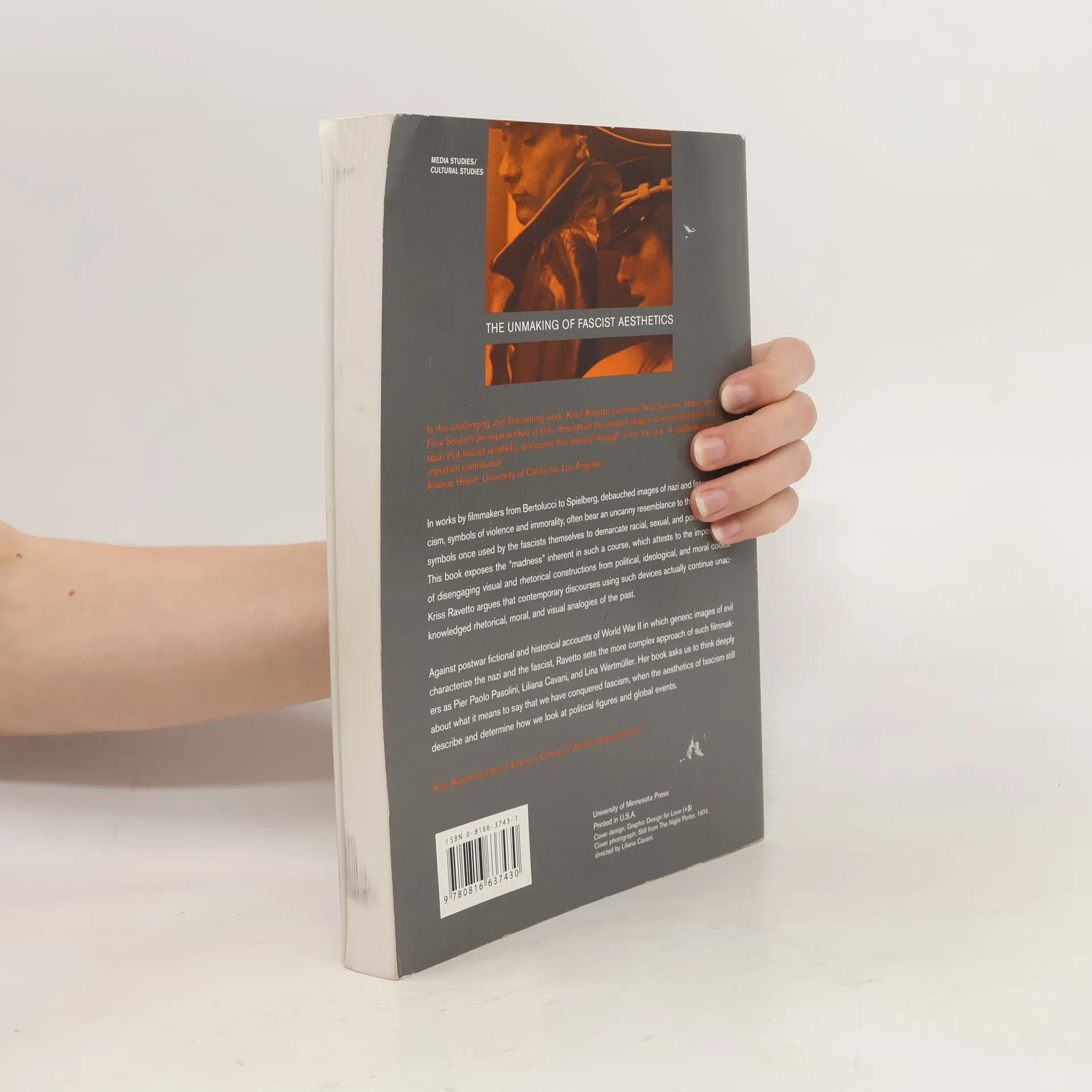
In works by filmmakers from Bertolucci to Spielberg, debauched images of nazi and fascist eroticism, symbols of violence and immorality, often bear an uncanny resemblance to the images and symbols once used by the fascists themselves to demarcate racial, sexual, and political others. This book exposes the "madness" inherent in such a course, which attests to the impossibility of disengaging visual and rhetorical constructions from political, ideological, and moral codes. Kriss Ravetto argues that contemporary discourses using such devices actually continue unacknowledged rhetorical, moral, and visual analogies of the past. Against postwar fictional and historical accounts of World War II in which generic images of evil characterize the nazi and the fascist, Ravetto sets the more complex approach of such filmmakers as Pier Paolo Pasolini, Liliana Cavani, and Lina Wertmuller. Her book asks us to think deeply about what it means to say that we have conquered fascism, when the aesthetics of fascism still describe and determine how we look at political figures and global events. Book jacket.
Zakup książki
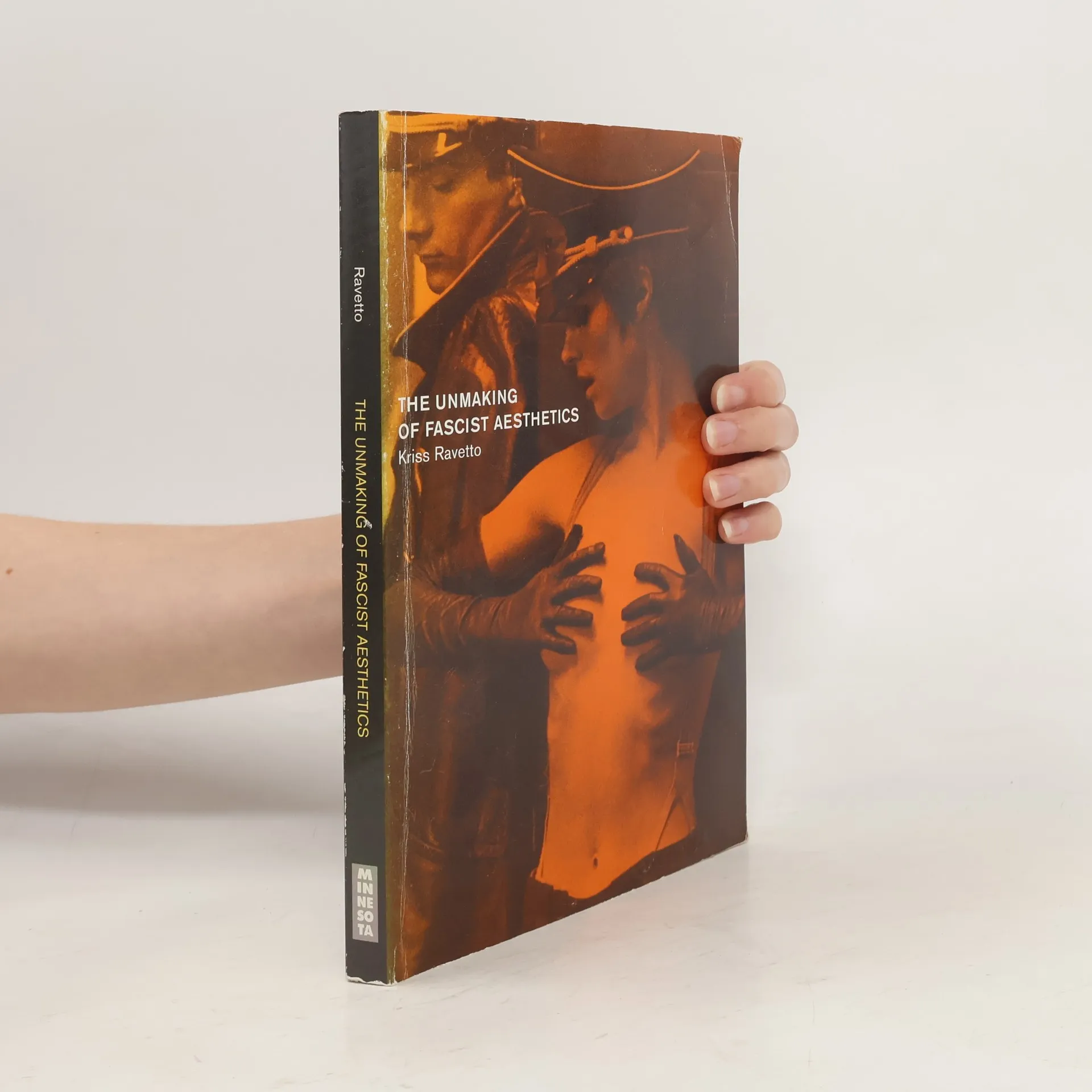
The Unmaking of Fascist Aesthetics, Kriss Ravetto
- Język

- Rok wydania
- 2001
- Oprawa
- (miękka)
Metody płatności
Brakuje nam tutaj Twojej recenzji.
- Tytuł
- The Unmaking of Fascist Aesthetics
- Język
- angielski
- Autorzy
- Kriss Ravetto
- Wydawca
- U of Minnesota Press
- Rok wydania
- 2001
- Oprawa
- miękka
- Liczba stron
- 314
- ISBN10
- 0816637431
- ISBN13
- 9780816637430
- Seria
- Ocena
- 3 z 5
- Opis
- In works by filmmakers from Bertolucci to Spielberg, debauched images of nazi and fascist eroticism, symbols of violence and immorality, often bear an uncanny resemblance to the images and symbols once used by the fascists themselves to demarcate racial, sexual, and political others. This book exposes the "madness" inherent in such a course, which attests to the impossibility of disengaging visual and rhetorical constructions from political, ideological, and moral codes. Kriss Ravetto argues that contemporary discourses using such devices actually continue unacknowledged rhetorical, moral, and visual analogies of the past. Against postwar fictional and historical accounts of World War II in which generic images of evil characterize the nazi and the fascist, Ravetto sets the more complex approach of such filmmakers as Pier Paolo Pasolini, Liliana Cavani, and Lina Wertmuller. Her book asks us to think deeply about what it means to say that we have conquered fascism, when the aesthetics of fascism still describe and determine how we look at political figures and global events. Book jacket.