



Więcej o książce
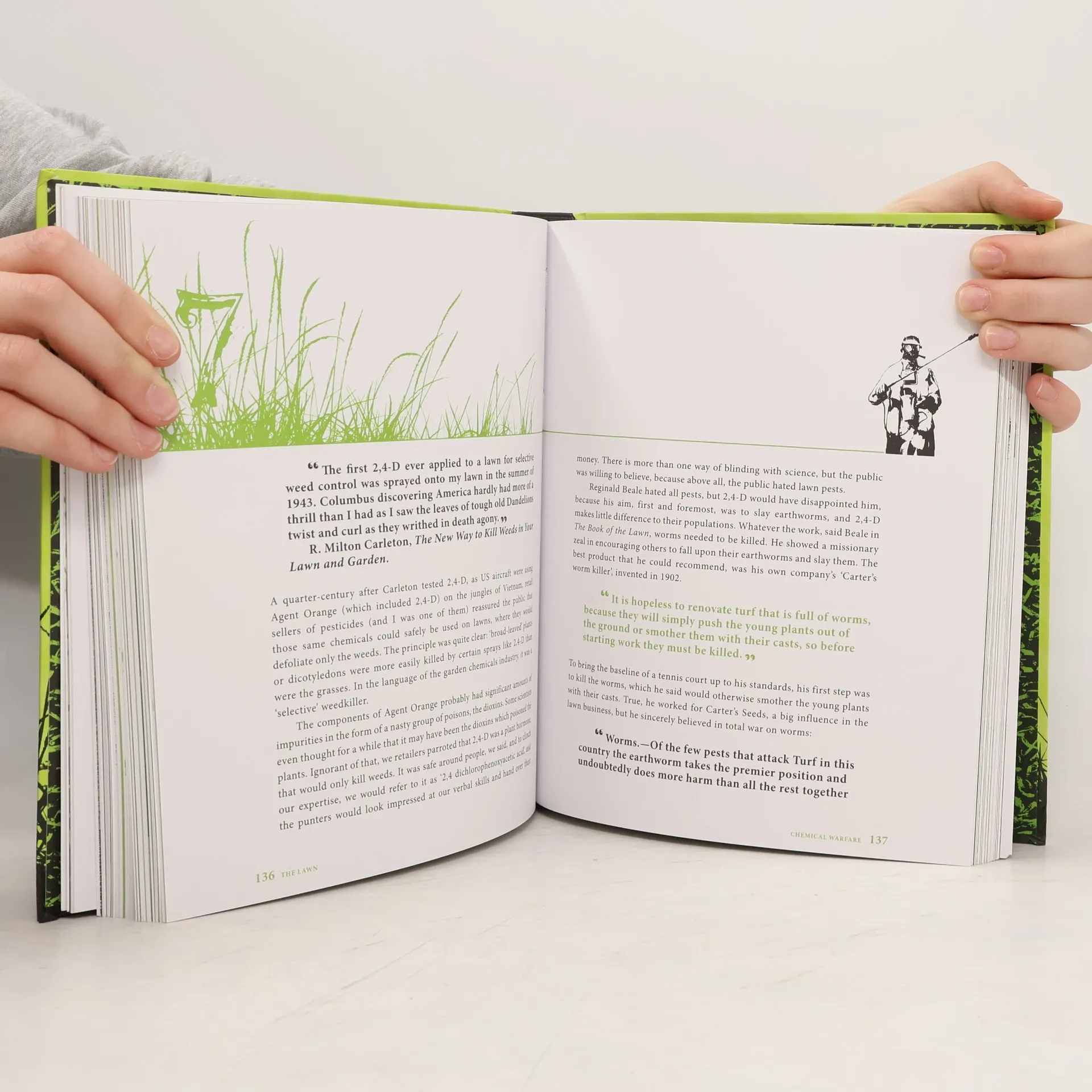
"The A Social History" explores the strange coming-together of means, opportunity and motive in the middle of the nineteenth century, and the lasting social changes that followed when the lawn emerged as the dominant feature of the modern built environment. After the lawn, leisure time would never be the same again. This book explains, in fascinating detail, how the lawn mower was the key enabling technology that let grass dominate the environment. And how, the enabling technology that in turn allowed suburbs to exist was commuter transport - as only suburbs gave enough space between and around the houses for lawns to fit. The author goes on to explain how mowers and suburbs would not have been enough to drive the lawn craze if people had not firmly believed that ownership of a lawn was proof that the owner was a person of status and wealth. "The A Social History" takes the reader on a compelling journey that explains the origins of the lawn and how it changed the very way we live. Illustrated with contemporary images, this absorbing exposition on how the lawn, which we all take for granted, has become an integral part of our very existence.
Zakup książki
The Lawn, Peter Macinnis
- Język

- Rok wydania
- 2009
- Oprawa
- (twarda)
Metody płatności
Brakuje nam tutaj Twojej recenzji.
- Tytuł
- The Lawn
- Podtytuł
- A Social History
- Język
- angielski
- Autorzy
- Peter Macinnis
- Wydawca
- Murdoch Books
- Rok wydania
- 2009
- Oprawa
- twarda
- Liczba stron
- 247
- ISBN10
- 1741960398
- ISBN13
- 9781741960396
- Seria
- Tagi
- Biznes, Tematy prawne
- Ocena
- 5 z 5
- Opis
- "The A Social History" explores the strange coming-together of means, opportunity and motive in the middle of the nineteenth century, and the lasting social changes that followed when the lawn emerged as the dominant feature of the modern built environment. After the lawn, leisure time would never be the same again. This book explains, in fascinating detail, how the lawn mower was the key enabling technology that let grass dominate the environment. And how, the enabling technology that in turn allowed suburbs to exist was commuter transport - as only suburbs gave enough space between and around the houses for lawns to fit. The author goes on to explain how mowers and suburbs would not have been enough to drive the lawn craze if people had not firmly believed that ownership of a lawn was proof that the owner was a person of status and wealth. "The A Social History" takes the reader on a compelling journey that explains the origins of the lawn and how it changed the very way we live. Illustrated with contemporary images, this absorbing exposition on how the lawn, which we all take for granted, has become an integral part of our very existence.