


Więcej o książce
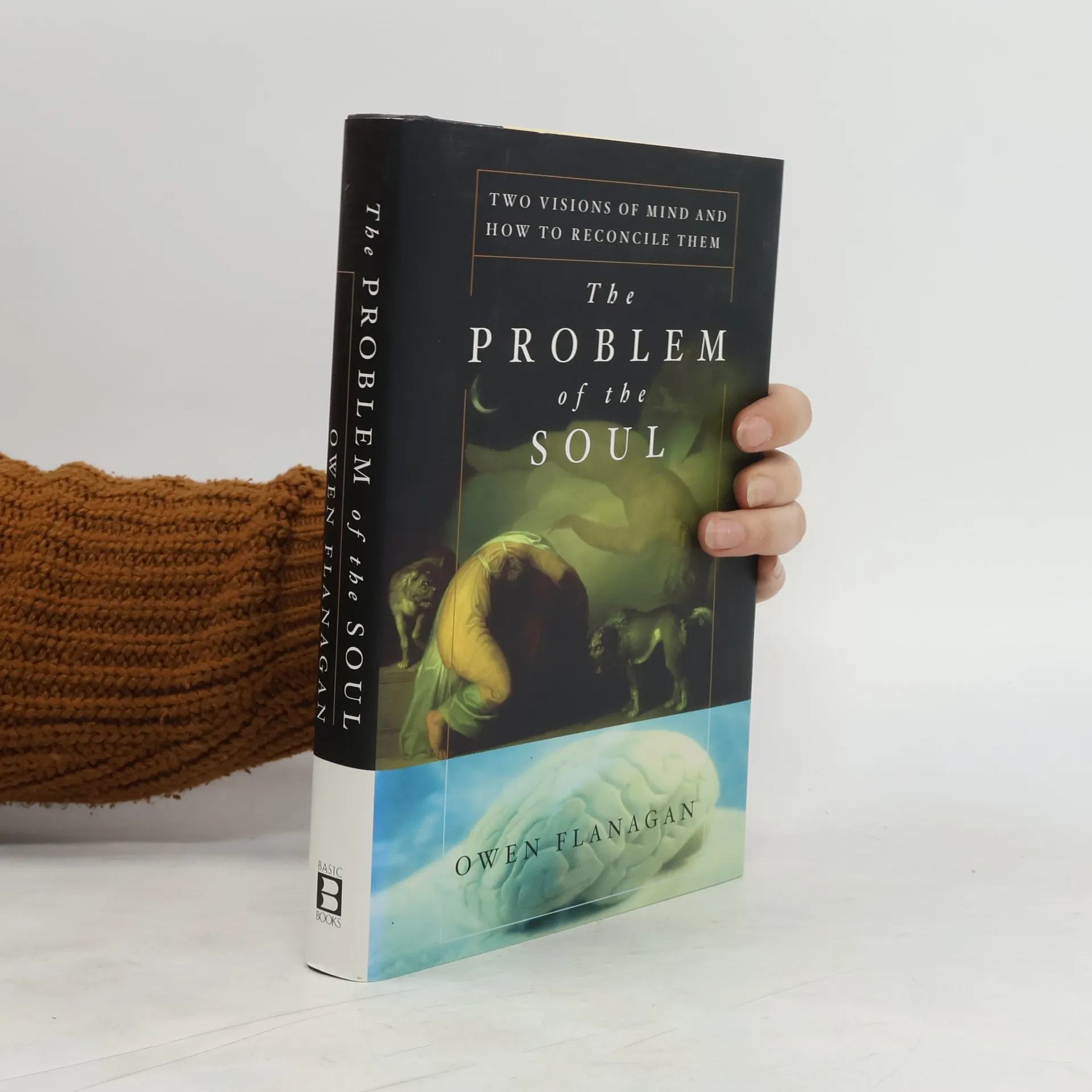
Traditional ideas about the basic nature of humanity are under attack as never before. The very attributes that make us human--free will, the permanence of personal identity, the existence of the soul--are being undermined and threatened by the current revolution in the science of the mind. If the mind is the brain, and therefore a physical object subject to deterministic laws, how can we have free will? If most of our thoughts and impulses are unconscious, how can we be morally responsible for what we do? The Problem of the Soul shows the way out of these seemingly intractable paradoxes. Framing the conflict in terms of two dominant visions of the mind--the "manifest image" of humanistic philosophy and theology, and the scientific image--renowned philosopher Owen Flanagan demonstrates that there is, in fact, common ground, and that we need not give up our ideas of moral responsibility and personal freedom in order to have an empirically sound view of the human mind.
Zakup książki
The Problem of the Soul, Owen Flanagan
- Język

- Rok wydania
- 2002
- Oprawa
- (twarda)
Metody płatności
Brakuje nam tutaj Twojej recenzji.
- Tytuł
- The Problem of the Soul
- Język
- angielski
- Autorzy
- Owen Flanagan
- Wydawca
- Basic Books
- Rok wydania
- 2002
- Oprawa
- twarda
- ISBN10
- 0465024602
- ISBN13
- 9780465024605
- Seria
- Tagi
- Tematyka psychologiczna, Tematy religijne, Tematyka filozoficzna, Nauka, Neurobiologia, Metafizyka
- Ocena
- 3,8 z 5
- Opis
- Traditional ideas about the basic nature of humanity are under attack as never before. The very attributes that make us human--free will, the permanence of personal identity, the existence of the soul--are being undermined and threatened by the current revolution in the science of the mind. If the mind is the brain, and therefore a physical object subject to deterministic laws, how can we have free will? If most of our thoughts and impulses are unconscious, how can we be morally responsible for what we do? The Problem of the Soul shows the way out of these seemingly intractable paradoxes. Framing the conflict in terms of two dominant visions of the mind--the "manifest image" of humanistic philosophy and theology, and the scientific image--renowned philosopher Owen Flanagan demonstrates that there is, in fact, common ground, and that we need not give up our ideas of moral responsibility and personal freedom in order to have an empirically sound view of the human mind.