

Więcej o książce
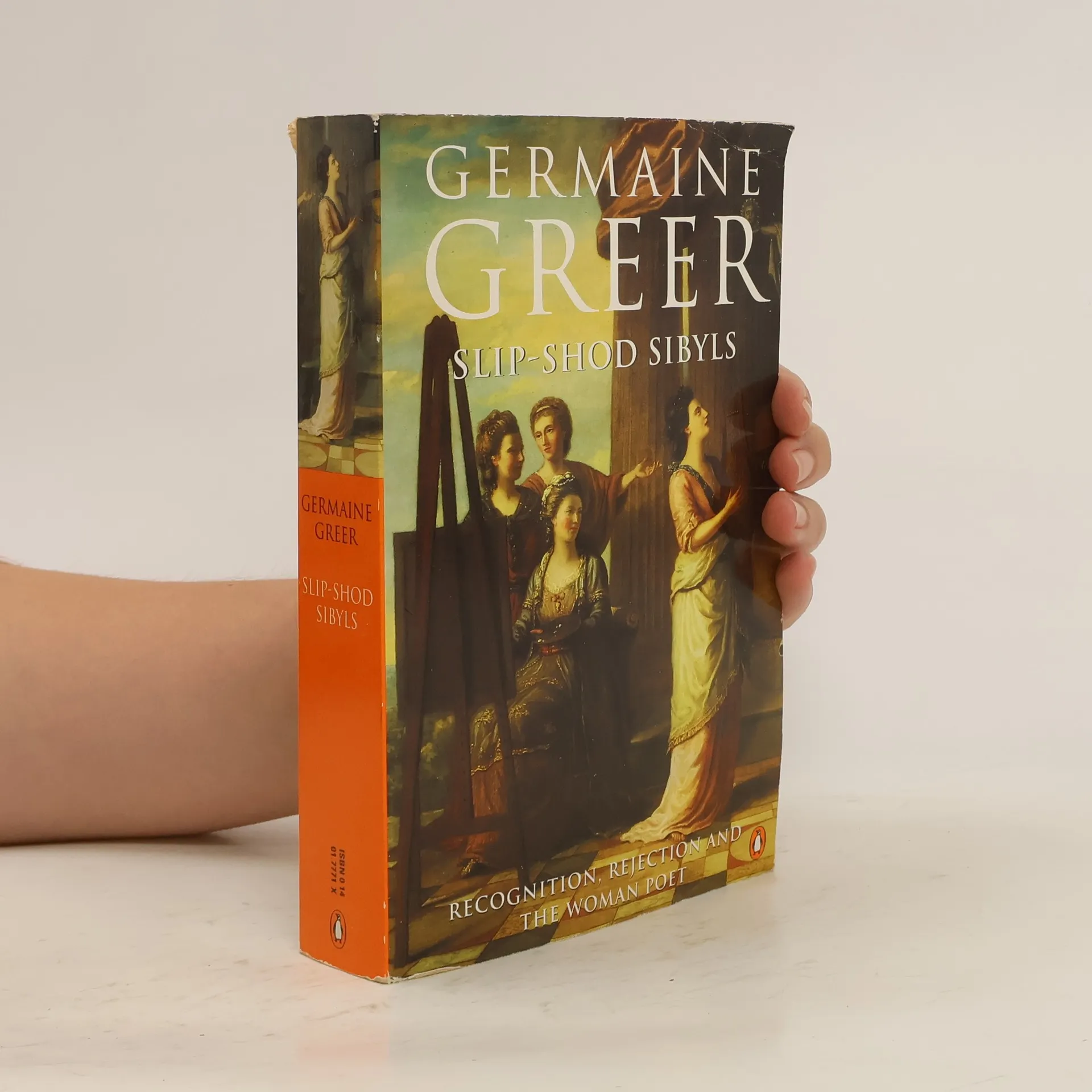
The term "slip-shod sibyls", adapted from a gibe of Alexander Pope, encapsulates the common contempt for the half-educated women who dared to expose themselves in the pre-1900 literary market-place. In this collection, Germaine Greer argues that the problem is not that such women were ignored but that, when most women were unable to express themselves in written form at all, and only a tiny minority dared to write in metre, the female poet was given undue attention, flattered and exploited only to be rejected and humiliated in her own lifetime and forgotten by posterity. She argues that what has come down to us is largely unworthy of inclusion in the canon. In many cases, the texts are inauthentic and cannot be relied upon to represent women's work or women's sensibility. As much of the poetry is intensely derivative, it cannot be evaluated by readers unfamiliar with the poets' models. This study examines the life and work of an extraordinary group of women - from the myth of Sappho to the dishonesty of Katherine Philips, the enduring mysteries of Aphra Behn and the tragic tale of Letitia Landon, forced to masquerade as "The Child of Song".
Zakup książki
Slip-Shod Sibyls, Germaine Greer
- Język

- Rok wydania
- 1996
- Oprawa
- (miękka)
Metody płatności
Brakuje nam tutaj Twojej recenzji.
- Tytuł
- Slip-Shod Sibyls
- Język
- angielski
- Autorzy
- Germaine Greer
- Wydawca
- Penguin
- Rok wydania
- 1996
- Oprawa
- miękka
- ISBN10
- 014017771X
- ISBN13
- 9780140177718
- Seria
- Ocena
- 3,35 z 5
- Opis
- The term "slip-shod sibyls", adapted from a gibe of Alexander Pope, encapsulates the common contempt for the half-educated women who dared to expose themselves in the pre-1900 literary market-place. In this collection, Germaine Greer argues that the problem is not that such women were ignored but that, when most women were unable to express themselves in written form at all, and only a tiny minority dared to write in metre, the female poet was given undue attention, flattered and exploited only to be rejected and humiliated in her own lifetime and forgotten by posterity. She argues that what has come down to us is largely unworthy of inclusion in the canon. In many cases, the texts are inauthentic and cannot be relied upon to represent women's work or women's sensibility. As much of the poetry is intensely derivative, it cannot be evaluated by readers unfamiliar with the poets' models. This study examines the life and work of an extraordinary group of women - from the myth of Sappho to the dishonesty of Katherine Philips, the enduring mysteries of Aphra Behn and the tragic tale of Letitia Landon, forced to masquerade as "The Child of Song".