

Więcej o książce
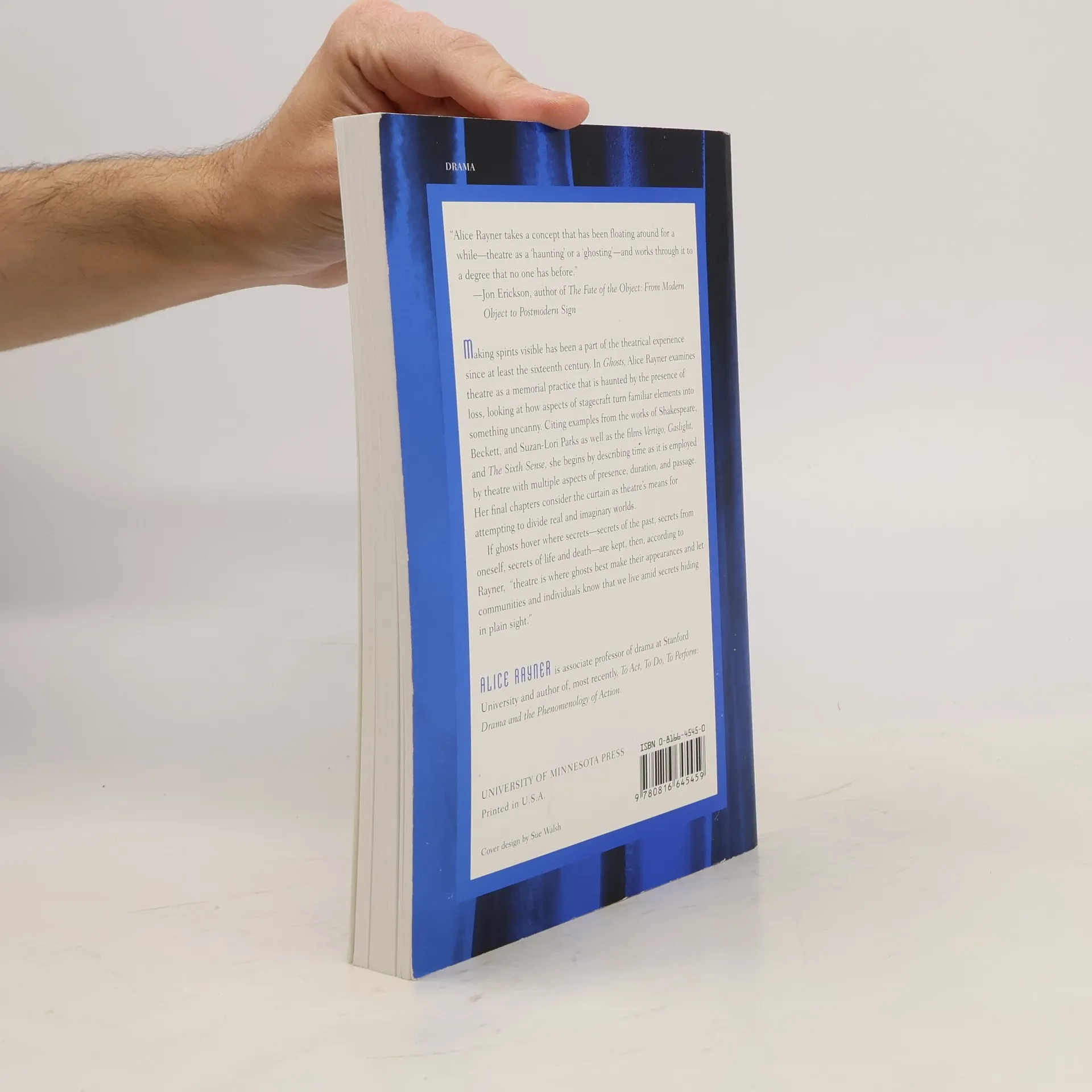
Making spirits visible has been a part of the theatrical experience since at least the sixteenth century. Instead of illusions, however, ghostly doubles in theatre are materially real and pervasive.In Ghosts , Alice Rayner examines theatre as a memorial practice that is haunted by the presence of loss, looking at how aspects of stagecraft turn familiar elements into something uncanny. Citing examples from the works of Shakespeare, Beckett, and Suzan-Lori Parks as well as the films Vertigo, Gaslight, and The Sixth Sense, she begins by describing time as it is employed by theatre with multiple aspects of presence, duration, and passage. Suggesting that objects connect past to present through the sense of touch, she explores how props are suspended backstage between motion and meaning. Her final chapters consider the curtain as theatre’s means for attempting to divide real and imaginary worlds.If ghosts hover where secrets—secrets of the past, secrets from oneself, secrets of life and death—are kept, then, according to Rayner, “theatre is where ghosts best make their appearances and let communities and individuals know that we live amid secrets hiding in plain sight.”Alice Rayner is associate professor of drama at Stanford University and author of, most recently, To Act, To Do, To Drama and the Phenomenology of Action.
Zakup książki
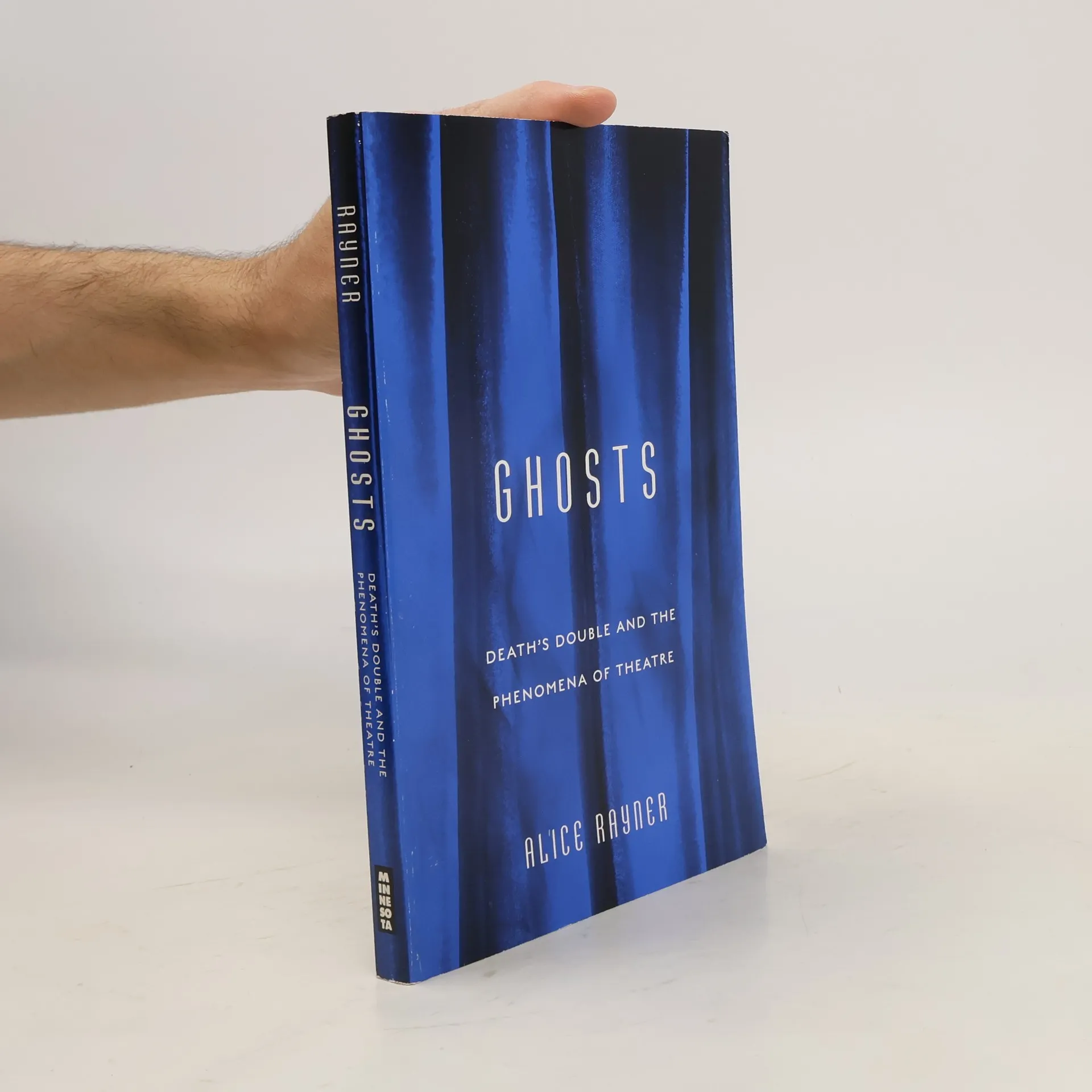
Ghosts, Alice Rayner
- Język

- Rok wydania
- 2006
- Oprawa
- (miękka)
Metody płatności
Brakuje nam tutaj Twojej recenzji.
- Tytuł
- Ghosts
- Język
- angielski
- Autorzy
- Alice Rayner
- Rok wydania
- 2006
- Oprawa
- miękka
- Liczba stron
- 256
- ISBN10
- 0816645450
- ISBN13
- 9780816645459
- Seria
- Tagi
- Teatr
- Ocena
- 4,5 z 5
- Opis
- Making spirits visible has been a part of the theatrical experience since at least the sixteenth century. Instead of illusions, however, ghostly doubles in theatre are materially real and pervasive.In Ghosts , Alice Rayner examines theatre as a memorial practice that is haunted by the presence of loss, looking at how aspects of stagecraft turn familiar elements into something uncanny. Citing examples from the works of Shakespeare, Beckett, and Suzan-Lori Parks as well as the films Vertigo, Gaslight, and The Sixth Sense, she begins by describing time as it is employed by theatre with multiple aspects of presence, duration, and passage. Suggesting that objects connect past to present through the sense of touch, she explores how props are suspended backstage between motion and meaning. Her final chapters consider the curtain as theatre’s means for attempting to divide real and imaginary worlds.If ghosts hover where secrets—secrets of the past, secrets from oneself, secrets of life and death—are kept, then, according to Rayner, “theatre is where ghosts best make their appearances and let communities and individuals know that we live amid secrets hiding in plain sight.”Alice Rayner is associate professor of drama at Stanford University and author of, most recently, To Act, To Do, To Drama and the Phenomenology of Action.