


Parametry
Więcej o książce
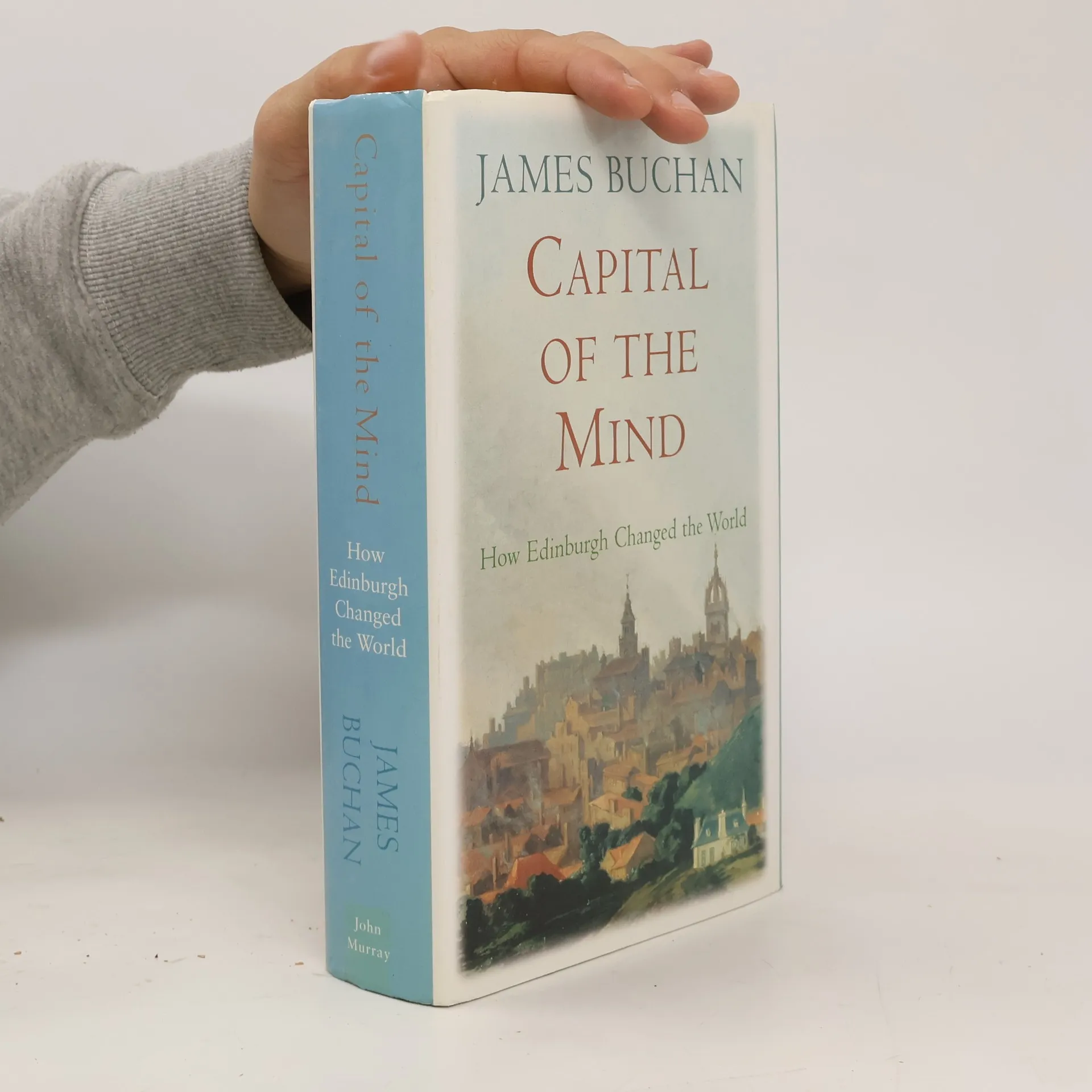
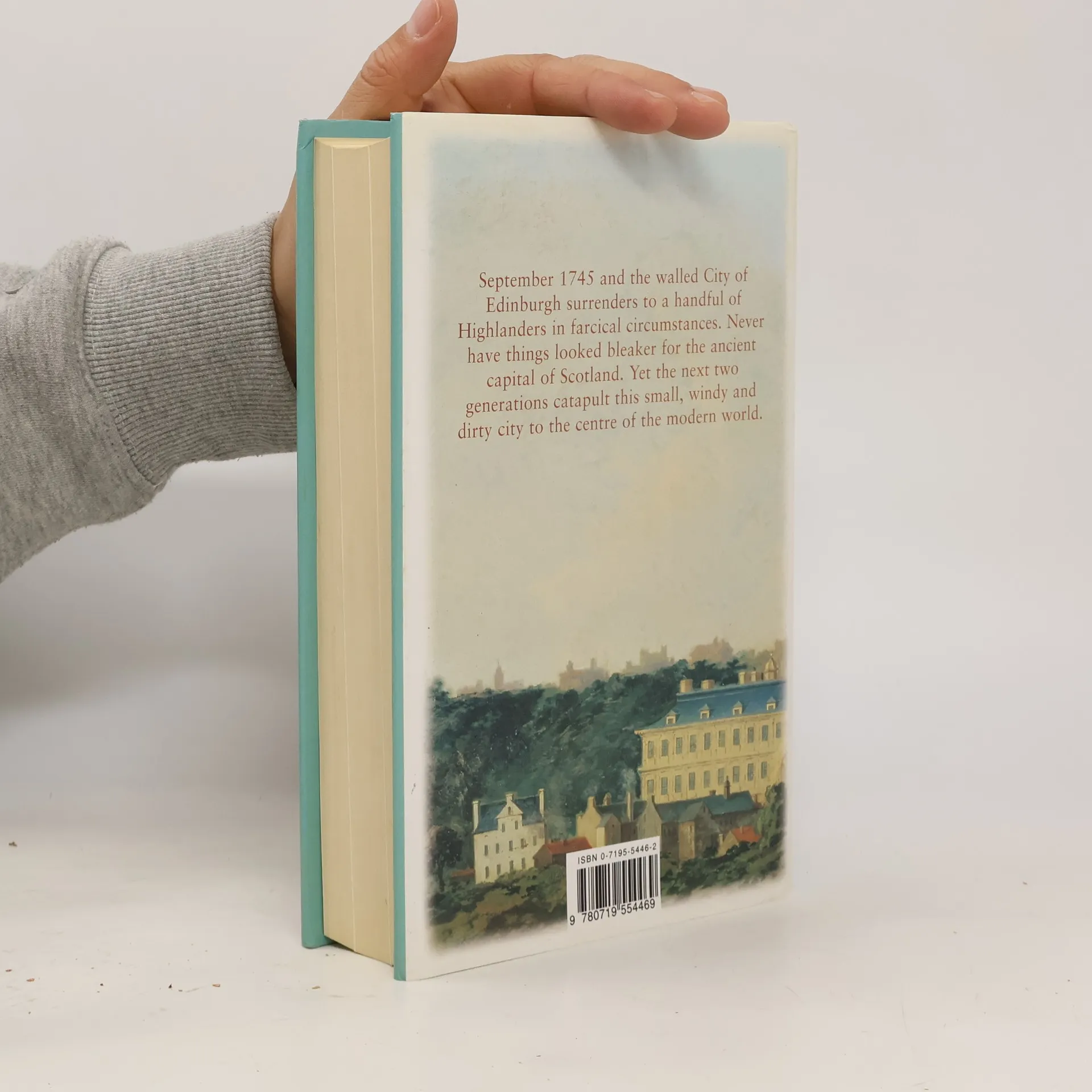
In September 1745, the walled City of Edinburgh surrenders to a small group of Highlanders, marking a low point for Scotland's ancient capital. However, the following two generations propel this small, gritty city into the heart of the modern world. Influential figures like David Hume, Adam Smith, Adam Ferguson, William Cullen, and James Hutton revolutionize our understanding of perceptions, health, trade, and governance. In just fifty years, Edinburgh achieves more intellectual progress than any comparable city since ancient Athens. The transformation of this impoverished, chaotic town with a mere forty thousand residents into a cultural powerhouse raises questions. How did it manage to leave such a lasting impact that Voltaire remarked, with a hint of irony, that Scotland sets the standards for taste across various arts? Through a vivid portrayal of eighteenth-century Edinburgh, the narrative reveals how a series of crises dismantled outdated beliefs and behaviors, guiding its people toward innovative paths. This account captures the essence of a unique and vibrant civilization, making it an essential exploration of one of Europe's most beautiful and philosophical cities.
Zakup książki
Capital of the Mind, James Buchan
- Język

- Rok wydania
- 2003
- Oprawa
- (twarda)
Metody płatności
Brakuje nam tutaj Twojej recenzji.
- Tytuł
- Capital of the Mind
- Język
- angielski
- Autorzy
- James Buchan
- Wydawca
- John Murray Publishers
- Rok wydania
- 2003
- Oprawa
- twarda
- ISBN10
- 0719554462
- ISBN13
- 9780719554469
- Seria
- Kategorie
- Ocena
- 2,5 z 5
- Opis
- In September 1745, the walled City of Edinburgh surrenders to a small group of Highlanders, marking a low point for Scotland's ancient capital. However, the following two generations propel this small, gritty city into the heart of the modern world. Influential figures like David Hume, Adam Smith, Adam Ferguson, William Cullen, and James Hutton revolutionize our understanding of perceptions, health, trade, and governance. In just fifty years, Edinburgh achieves more intellectual progress than any comparable city since ancient Athens. The transformation of this impoverished, chaotic town with a mere forty thousand residents into a cultural powerhouse raises questions. How did it manage to leave such a lasting impact that Voltaire remarked, with a hint of irony, that Scotland sets the standards for taste across various arts? Through a vivid portrayal of eighteenth-century Edinburgh, the narrative reveals how a series of crises dismantled outdated beliefs and behaviors, guiding its people toward innovative paths. This account captures the essence of a unique and vibrant civilization, making it an essential exploration of one of Europe's most beautiful and philosophical cities.