

Więcej o książce
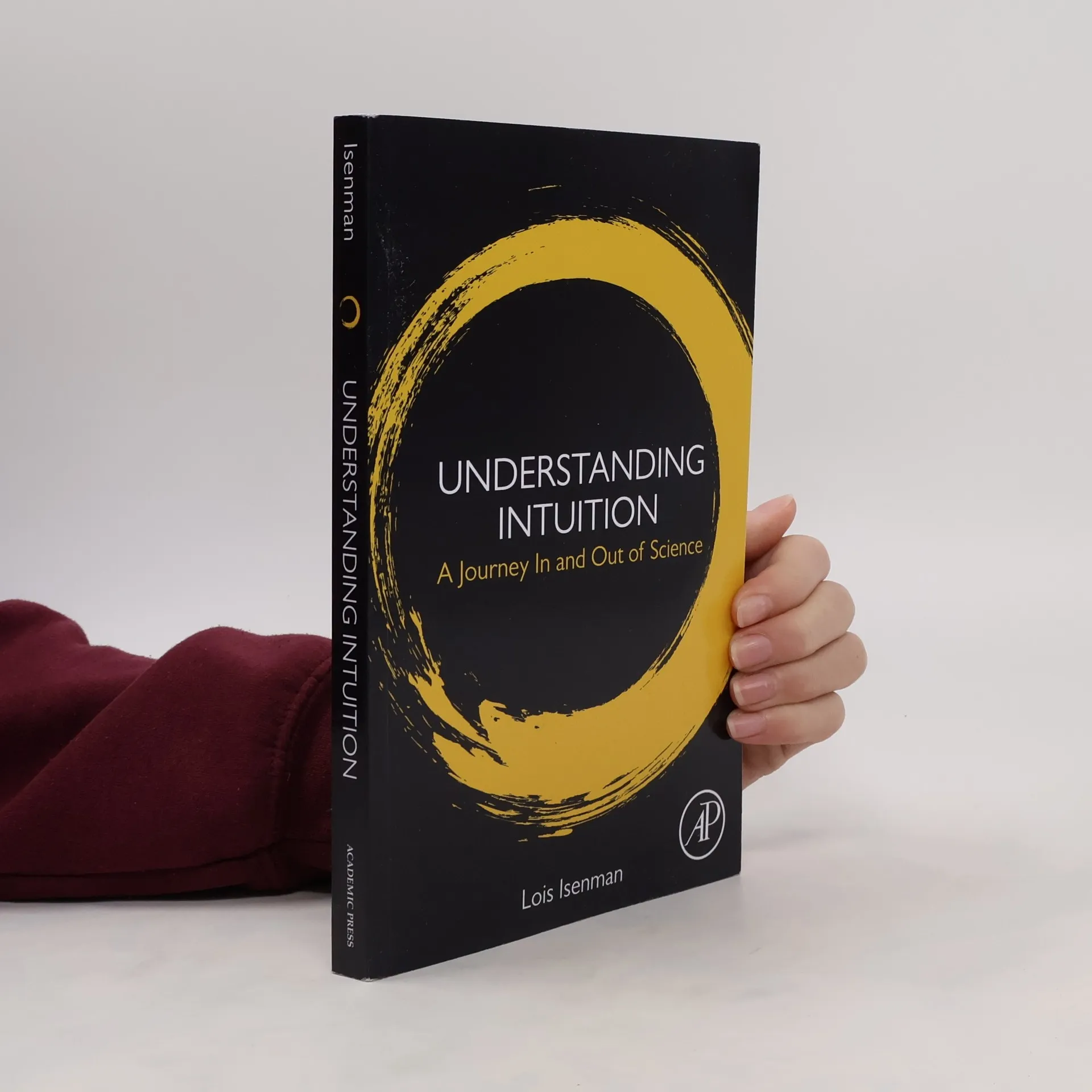
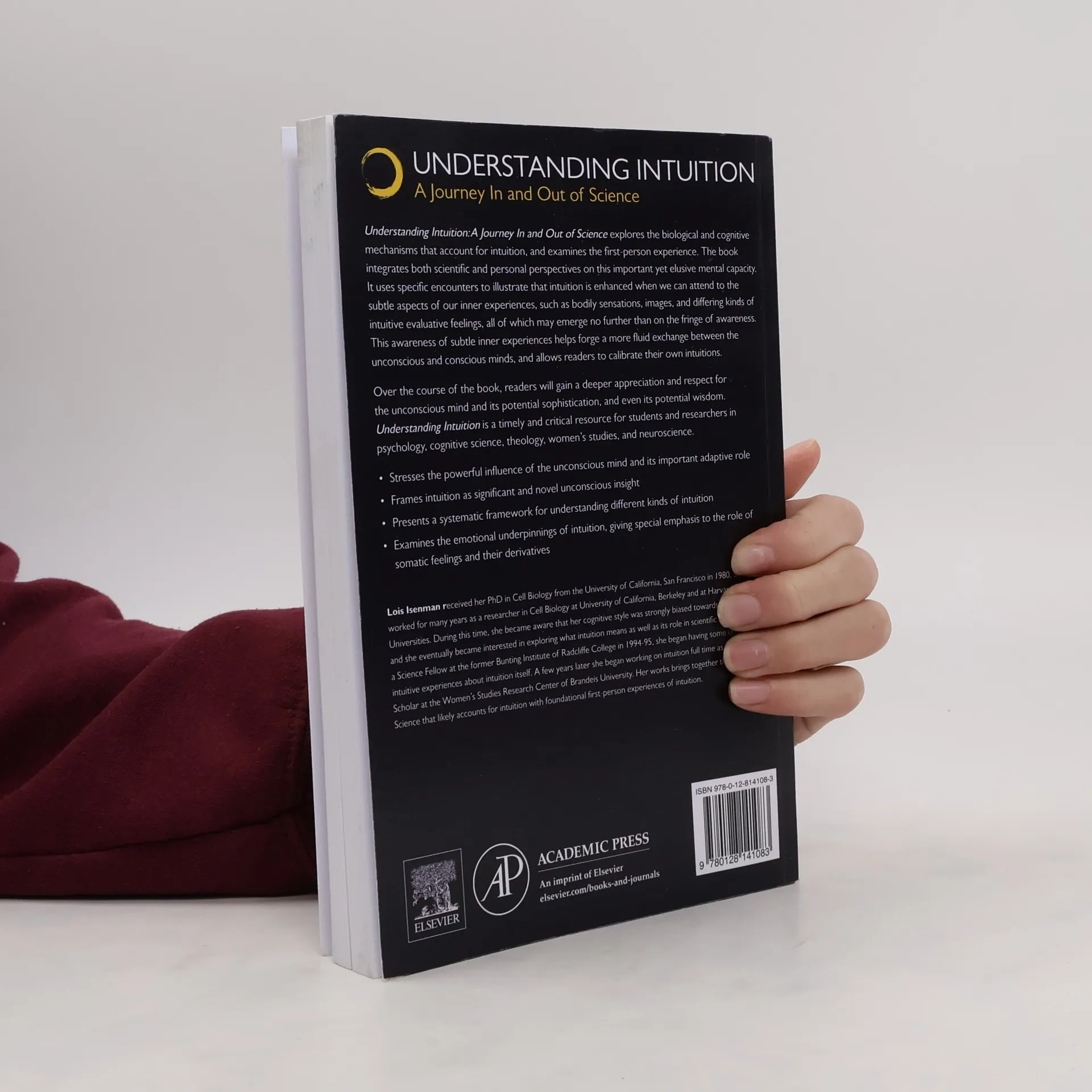
Understanding Intuition: A Journey In and Out of Science explores the biological and cognitive mechanisms that account for intuition, and examines the first-person experience. The book integrates both scientific and personal perspectives on this important yet elusive mental capacity. It uses specific encounters to illustrate that intuition is enhanced when we can attend to the subtle aspects of our inner experiences, such as bodily sensations, images, and differing kinds of intuitive evaluative feelings, all of which may emerge no further than on the fringe of awareness. This awareness of subtle inner experiences helps forge a more fluid exchange between the unconscious and conscious minds, and allows readers to calibrate their own intuitions. Over the course of the book, readers will gain a deeper appreciation and respect for the unconscious mind and its potential sophistication, and even its potential wisdom. Understanding Intuition is a timely and critical resource for students and researchers in psychology, cognitive science, theology, women's studies, and neuroscience.
Zakup książki
Understanding Intuition, Lois Isenman
- Język

- Rok wydania
- 2018
- Oprawa
- (miękka)
Metody płatności
Brakuje nam tutaj Twojej recenzji.
- Tytuł
- Understanding Intuition
- Podtytuł
- A Journey In and Out of Science
- Język
- angielski
- Autorzy
- Lois Isenman
- Wydawca
- Academic press
- Rok wydania
- 2018
- Oprawa
- miękka
- Liczba stron
- 250
- ISBN10
- 0128141085
- ISBN13
- 9780128141083
- Seria
- Tagi
- Ocena
- 3 z 5
- Opis
- Understanding Intuition: A Journey In and Out of Science explores the biological and cognitive mechanisms that account for intuition, and examines the first-person experience. The book integrates both scientific and personal perspectives on this important yet elusive mental capacity. It uses specific encounters to illustrate that intuition is enhanced when we can attend to the subtle aspects of our inner experiences, such as bodily sensations, images, and differing kinds of intuitive evaluative feelings, all of which may emerge no further than on the fringe of awareness. This awareness of subtle inner experiences helps forge a more fluid exchange between the unconscious and conscious minds, and allows readers to calibrate their own intuitions. Over the course of the book, readers will gain a deeper appreciation and respect for the unconscious mind and its potential sophistication, and even its potential wisdom. Understanding Intuition is a timely and critical resource for students and researchers in psychology, cognitive science, theology, women's studies, and neuroscience.