

Parametry
Więcej o książce
The period covered by this book was one of considerable repression and rigid class divisions in England, and ideas about language both maintained and justified this state of affairs. Concepts of vulgar and refined language reinforced class distinctions and, at moments of political conflict, such as trials for sedition, these ideas were used to deny political and social rights to those deemed "vulgar." Challenging this form of linguistic repression was a radical movement which aimed to make society more democratic. Olivia Smith's fascinating book examines these accepted ideas about language, discusses the forms in which they were disseminated and analyzes the challenging new opinions from both the radical literati and the self-educated men—Wordsworth, Coleridge and John Thorne Took on the one hand, and Cobbett, Thomas Spense, and William Hone on the other.
Zakup książki
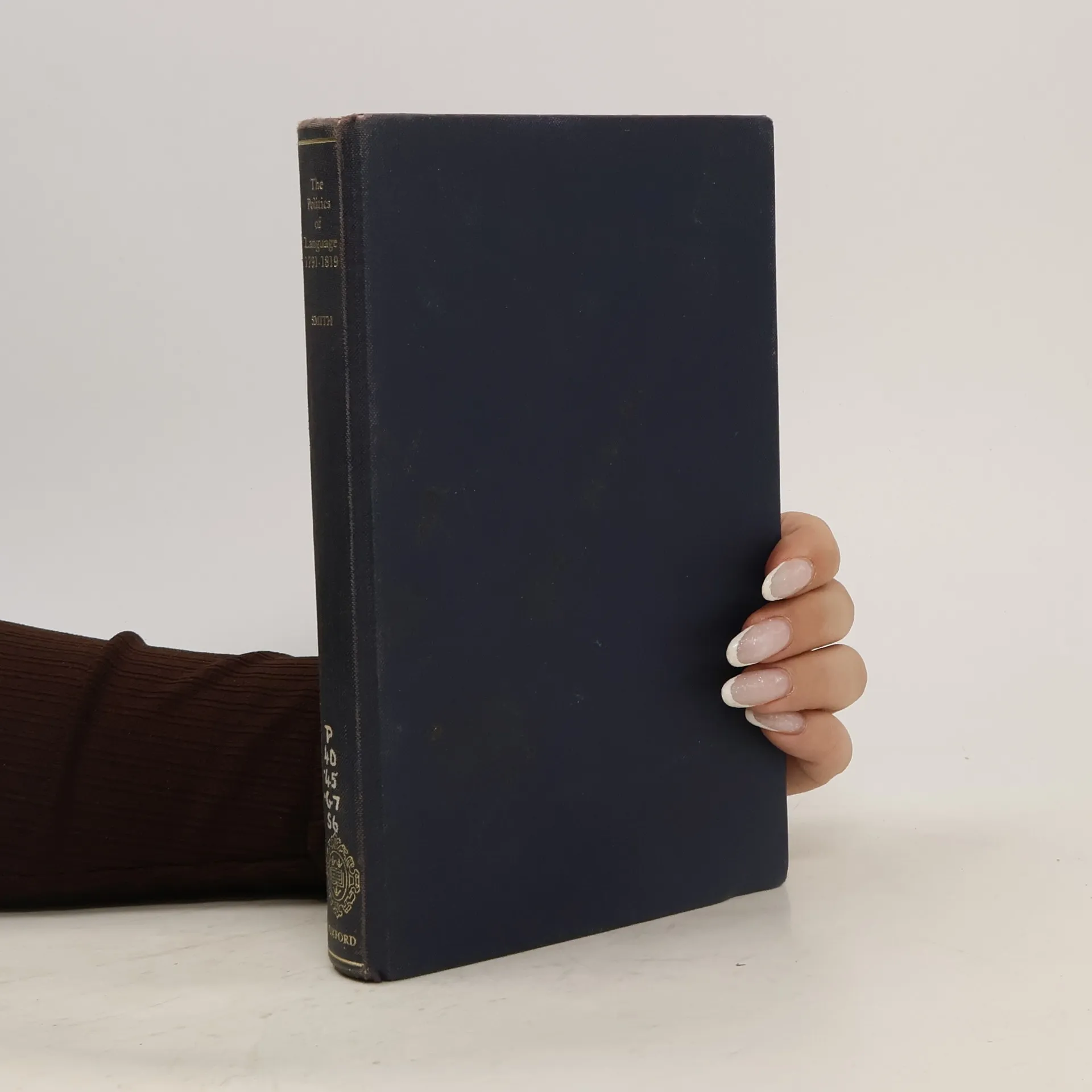
The Politics of Language 1791-1819, Olivia Smith
- Język

- Rok wydania
- 1984
- Oprawa
- (twarda)
Metody płatności
Brakuje nam tutaj Twojej recenzji.
- Tytuł
- The Politics of Language 1791-1819
- Język
- angielski
- Autorzy
- Olivia Smith
- Wydawca
- Oxford University Press
- Rok wydania
- 1984
- Oprawa
- twarda
- ISBN10
- 0198128177
- ISBN13
- 9780198128175
- Seria
- Tagi
- Lingwistyka
- Ocena
- 4 z 5
- Opis
- The period covered by this book was one of considerable repression and rigid class divisions in England, and ideas about language both maintained and justified this state of affairs. Concepts of vulgar and refined language reinforced class distinctions and, at moments of political conflict, such as trials for sedition, these ideas were used to deny political and social rights to those deemed "vulgar." Challenging this form of linguistic repression was a radical movement which aimed to make society more democratic. Olivia Smith's fascinating book examines these accepted ideas about language, discusses the forms in which they were disseminated and analyzes the challenging new opinions from both the radical literati and the self-educated men—Wordsworth, Coleridge and John Thorne Took on the one hand, and Cobbett, Thomas Spense, and William Hone on the other.