

Więcej o książce
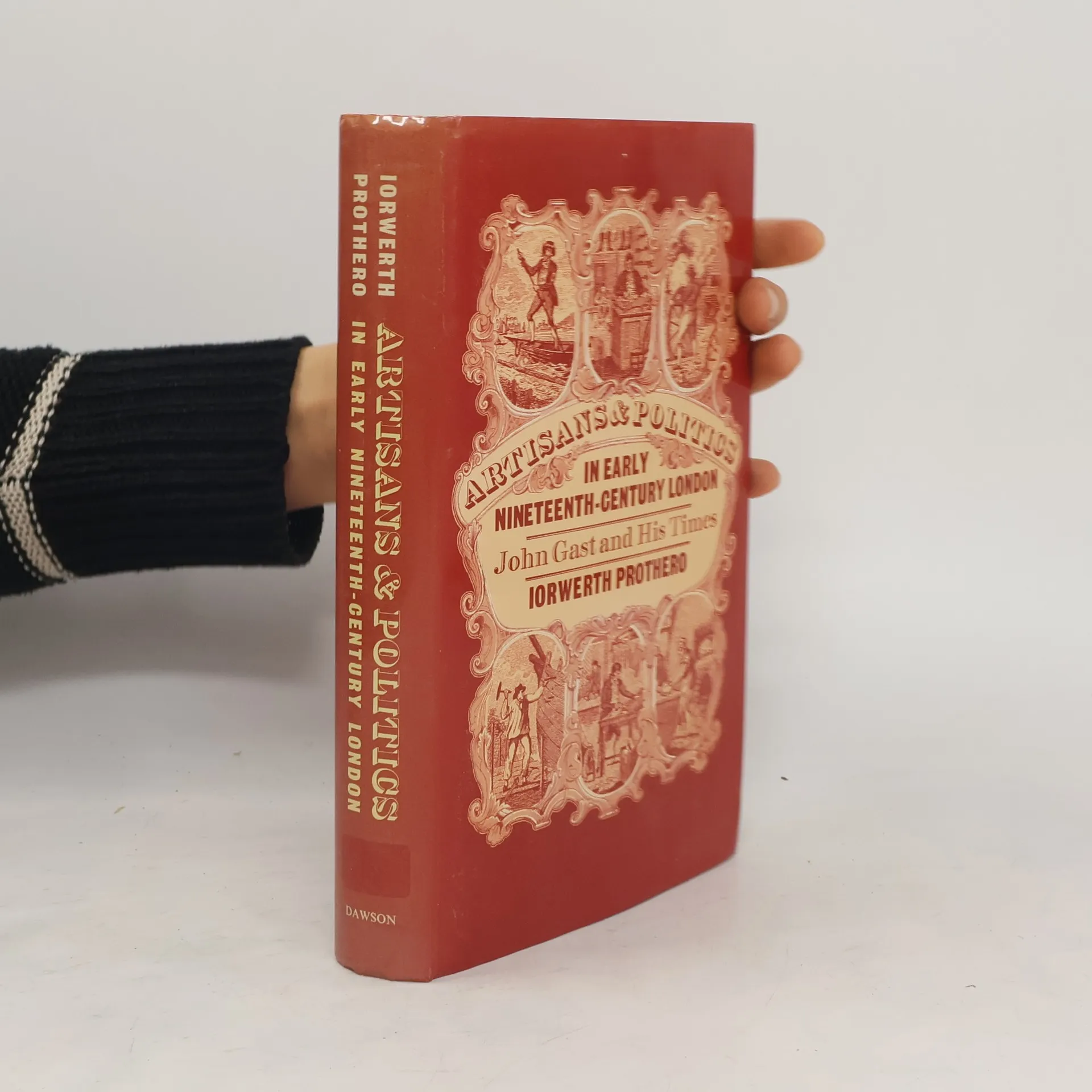
First published in 1979, this book was the first, full-length study of working-class movements in London between 1800 and the beginnings of Chartism in the later 1830s. The leaders and rank and file in these movements were almost invariably artisans, and this book examines the position of the skilled artisan in politics. Starting from the social ideals, outlook and the experience of the London artisan, Dr Prothero describes trade union, political, co-operative, educational and intellectual movements in the first forty years of the century. Setting a scene of alternating growth and contraction in trade, successive hostile governments and the increasing articulation of working-class consciousness the author shows that artisans could be no less militant, radical or anti-capitalist than other groups of working class men.
Zakup książki
Artisans and Politics in Early Nineteenth-century London, I. J. Prothero
- Język

- Rok wydania
- 1979
- Oprawa
- (twarda)
Metody płatności
Nikt jeszcze nie ocenił.
- Tytuł
- Artisans and Politics in Early Nineteenth-century London
- Podtytuł
- John Gast and His Times
- Język
- angielski
- Autorzy
- I. J. Prothero
- Rok wydania
- 1979
- Oprawa
- twarda
- Liczba stron
- 418
- ISBN10
- 0712908269
- ISBN13
- 9780712908269
- Seria
- Tagi
- Biznes
- Opis
- First published in 1979, this book was the first, full-length study of working-class movements in London between 1800 and the beginnings of Chartism in the later 1830s. The leaders and rank and file in these movements were almost invariably artisans, and this book examines the position of the skilled artisan in politics. Starting from the social ideals, outlook and the experience of the London artisan, Dr Prothero describes trade union, political, co-operative, educational and intellectual movements in the first forty years of the century. Setting a scene of alternating growth and contraction in trade, successive hostile governments and the increasing articulation of working-class consciousness the author shows that artisans could be no less militant, radical or anti-capitalist than other groups of working class men.