

Więcej o książce
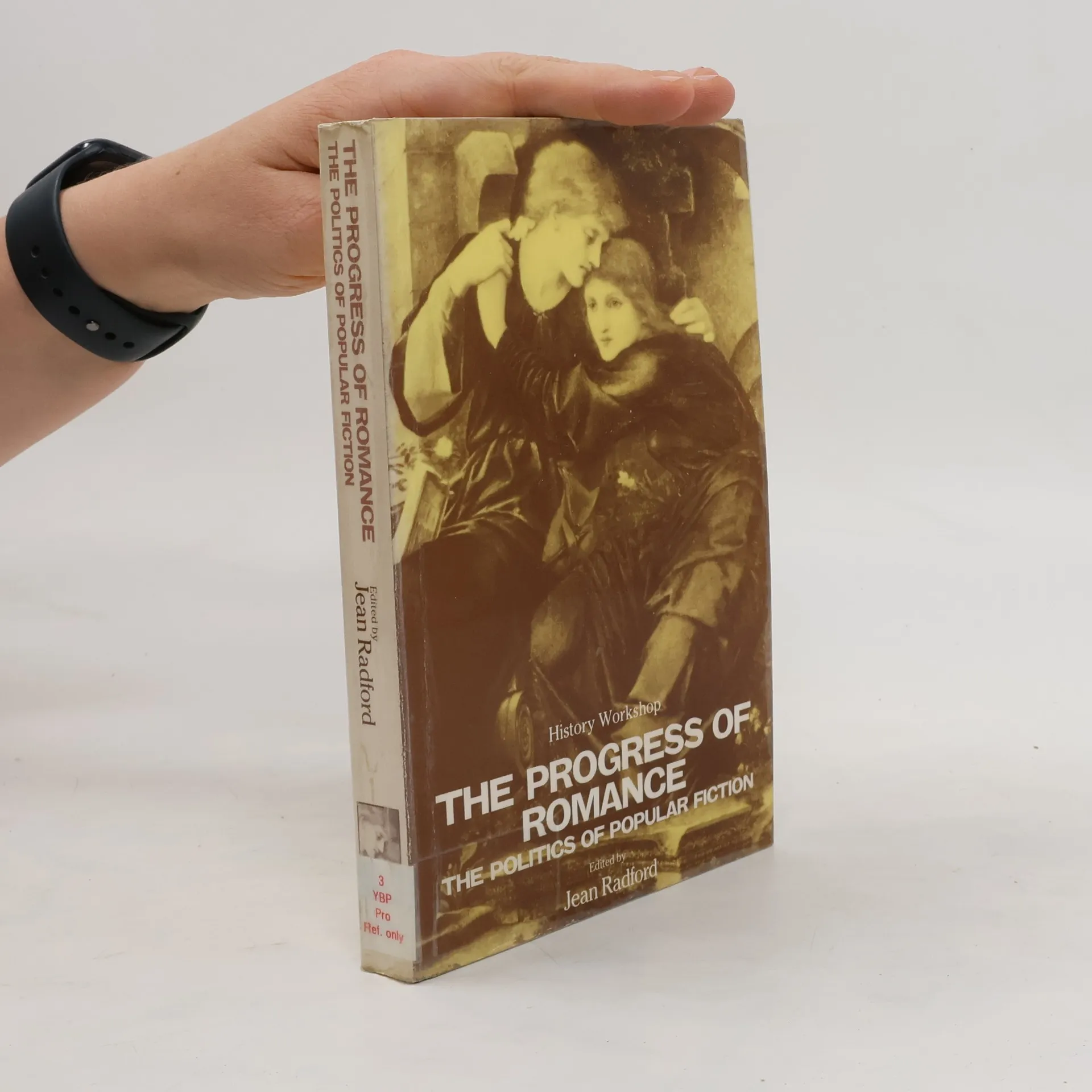
First published in 1986, this book aims to present some of the changing thinking on popular writing to a wider audience in view of the enormous growth of mass culture after the war, while also offering a historical perspective on a specific form of popular fiction: the romance. The essays collected here reflect diverse positions and methods in the current debate: sociological, psychoanalytic, and literary. Some focus more on texts or readers, while others concentrate on theoretical questions about narrative or ideology. All of the essays, however, view popular forms and their uses in historical context, rejecting the notion that they are a contaminated by-product of industrialism.
Zakup książki
The Progress of Romance, Jean Radford
- Język

- Rok wydania
- 1987
- Oprawa
- (miękka)
Metody płatności
Brakuje nam tutaj Twojej recenzji.
- Tytuł
- The Progress of Romance
- Podtytuł
- The Politics of Popular Fiction
- Język
- angielski
- Autorzy
- Jean Radford
- Rok wydania
- 1987
- Oprawa
- miękka
- Liczba stron
- 238
- ISBN10
- 0710209630
- ISBN13
- 9780710209634
- Seria
- Tagi
- Ocena
- 2,5 z 5
- Opis
- First published in 1986, this book aims to present some of the changing thinking on popular writing to a wider audience in view of the enormous growth of mass culture after the war, while also offering a historical perspective on a specific form of popular fiction: the romance. The essays collected here reflect diverse positions and methods in the current debate: sociological, psychoanalytic, and literary. Some focus more on texts or readers, while others concentrate on theoretical questions about narrative or ideology. All of the essays, however, view popular forms and their uses in historical context, rejecting the notion that they are a contaminated by-product of industrialism.