

Więcej o książce
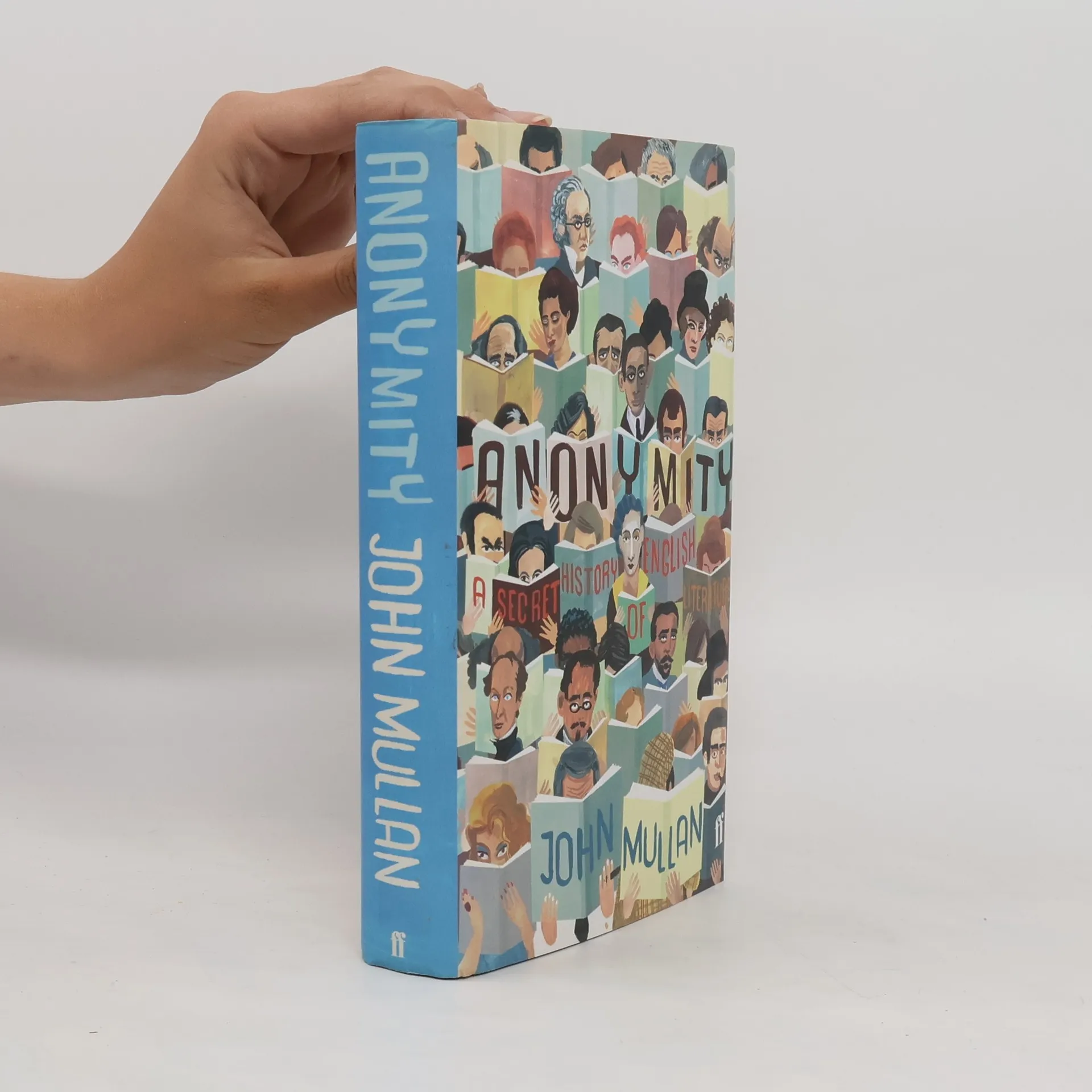
A fascinatingly rich and entirely original study of why many of the greatest authors of English literature chose to publish their work anonymously.We have forgotten that the first readers of "Gulliver's Travels" or "Sense and Sensibility" had to guess who their authors might be, and that writers like Sir Walter Scott and Charlotte Brontë went to elaborate lengths to keep secret their authorship of the bestselling books of their times. But in fact, anonymity is everywhere and no history of English literature is complete without it. Donne, Marvell, Defoe, Swift, Fanny Burney, Austen, Byron, Thackeray, Lewis Carroll, Tennyson, George Eliot, Sylvia Plath and Doris Lessing - all chose to conceal their names. Why was it so important to authors that they remain unidentified? What was it like to read their books without knowing for certain who had written them?From the sixteenth century to the present, from Edmund Spenser to "Primary Colors," John Mullan explores how the disguises of writers were firsts used and eventually penetrated, how anonymity teased readers and bamboozled critics - and how, when books reviews were also anonymous, critics played tricks in return. With great wit and lucidity, "Anonymity" presents a new and engaging way of enjoying English literature.
Zakup książki
Anonymity, John Mullan
- Język

- Rok wydania
- 2007
- Oprawa
- (twarda)
Metody płatności
Brakuje nam tutaj Twojej recenzji.
- Tytuł
- Anonymity
- Język
- angielski
- Autorzy
- John Mullan
- Rok wydania
- 2007
- Oprawa
- twarda
- Liczba stron
- 384
- ISBN10
- 0571195148
- ISBN13
- 9780571195145
- Seria
- Kategorie
- Ocena
- 3,3 z 5
- Opis
- A fascinatingly rich and entirely original study of why many of the greatest authors of English literature chose to publish their work anonymously.We have forgotten that the first readers of "Gulliver's Travels" or "Sense and Sensibility" had to guess who their authors might be, and that writers like Sir Walter Scott and Charlotte Brontë went to elaborate lengths to keep secret their authorship of the bestselling books of their times. But in fact, anonymity is everywhere and no history of English literature is complete without it. Donne, Marvell, Defoe, Swift, Fanny Burney, Austen, Byron, Thackeray, Lewis Carroll, Tennyson, George Eliot, Sylvia Plath and Doris Lessing - all chose to conceal their names. Why was it so important to authors that they remain unidentified? What was it like to read their books without knowing for certain who had written them?From the sixteenth century to the present, from Edmund Spenser to "Primary Colors," John Mullan explores how the disguises of writers were firsts used and eventually penetrated, how anonymity teased readers and bamboozled critics - and how, when books reviews were also anonymous, critics played tricks in return. With great wit and lucidity, "Anonymity" presents a new and engaging way of enjoying English literature.