


Więcej o książce
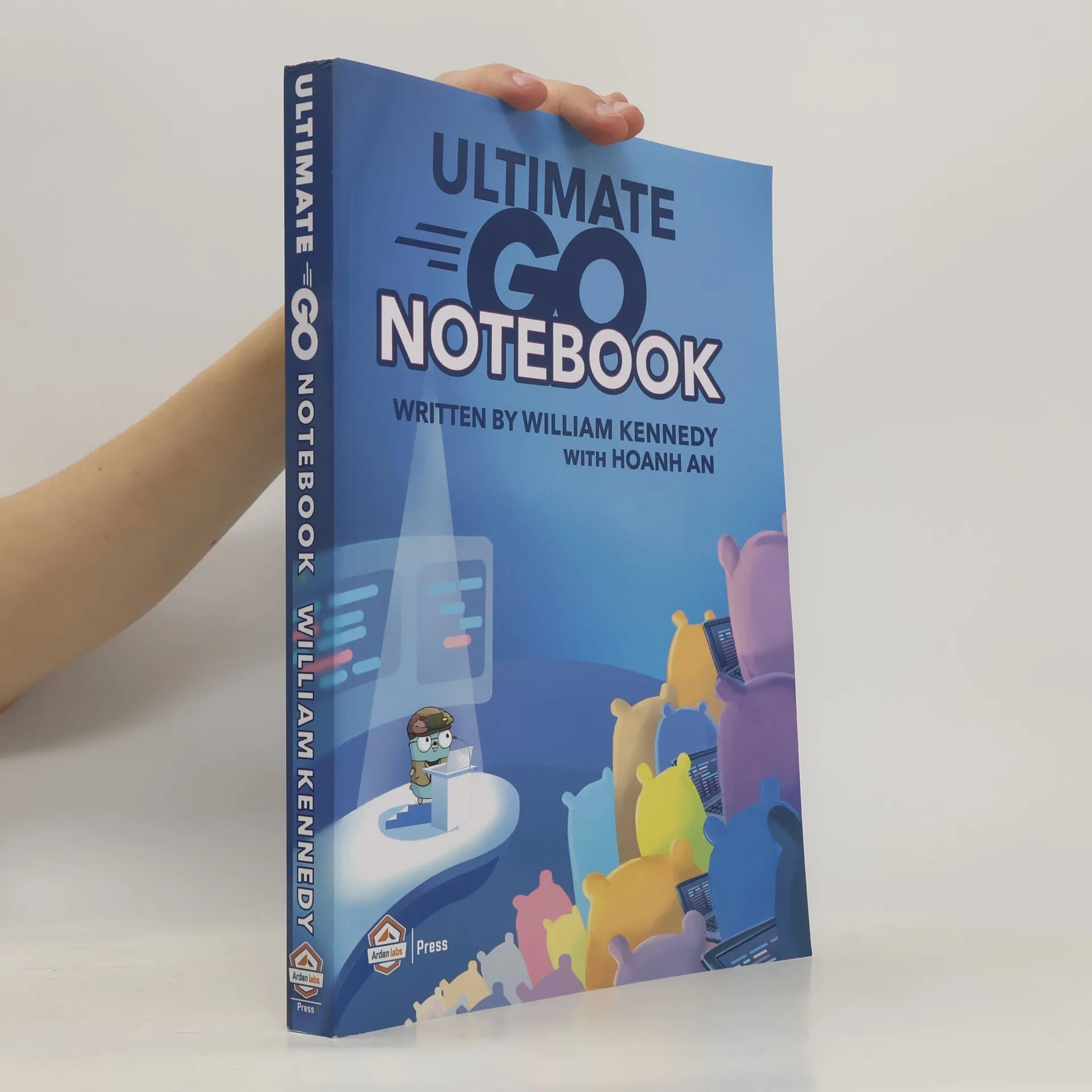
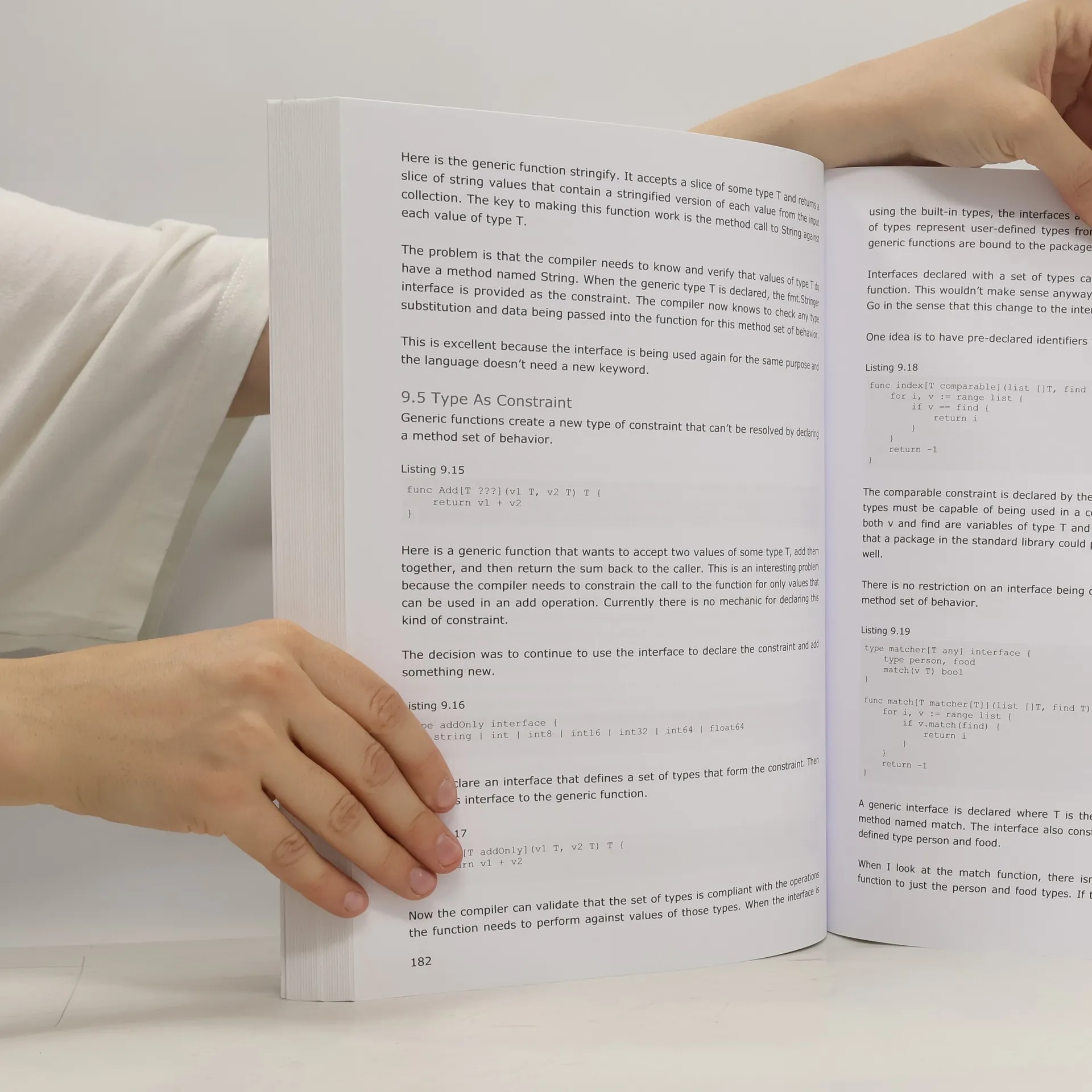
The Ultimate Go Notebook serves as the official companion to the Ardan Labs Ultimate Go class, designed to help you write idiomatic and efficient code by focusing on micro-level engineering decisions. This notebook acts as a personal reference for all class materials, encouraging students to reflect on their actions and motivations. The initial chapter sets the stage with essential mental models and design philosophies. You'll delve into the mechanics and semantics of types, decoupling, error handling, concurrency, and more, including the new GENERICS syntax introduced in Go 1.18 for creating generic functions and types. Four chapters dedicated to profiling, tracing, and stack traces will enhance your debugging skills, making you a more effective Go developer. The final chapter compiles various blog posts referenced throughout the book. For those who have previously attended the class, this notebook is an invaluable reminder of key concepts. For newcomers, it offers advanced insights not typically found in other resources. This book is essential for anyone looking to improve their skills as a Go developer, code reviewer, designer, or architect, especially for those transitioning from other programming languages, as it builds a strong foundation in Go's unique principles.
Zakup książki
Ultimate Go Notebook, William Kennedy
- Język

- Rok wydania
- 2021
- Oprawa
- (miękka)
Metody płatności
Brakuje nam tutaj Twojej recenzji.
- Tytuł
- Ultimate Go Notebook
- Język
- angielski
- Autorzy
- William Kennedy
- Rok wydania
- 2021
- Oprawa
- miękka
- Liczba stron
- 352
- ISBN10
- 1737384426
- ISBN13
- 9781737384427
- Seria
- Tagi
- Ocena
- 5 z 5
- Opis
- The Ultimate Go Notebook serves as the official companion to the Ardan Labs Ultimate Go class, designed to help you write idiomatic and efficient code by focusing on micro-level engineering decisions. This notebook acts as a personal reference for all class materials, encouraging students to reflect on their actions and motivations. The initial chapter sets the stage with essential mental models and design philosophies. You'll delve into the mechanics and semantics of types, decoupling, error handling, concurrency, and more, including the new GENERICS syntax introduced in Go 1.18 for creating generic functions and types. Four chapters dedicated to profiling, tracing, and stack traces will enhance your debugging skills, making you a more effective Go developer. The final chapter compiles various blog posts referenced throughout the book. For those who have previously attended the class, this notebook is an invaluable reminder of key concepts. For newcomers, it offers advanced insights not typically found in other resources. This book is essential for anyone looking to improve their skills as a Go developer, code reviewer, designer, or architect, especially for those transitioning from other programming languages, as it builds a strong foundation in Go's unique principles.