


Więcej o książce
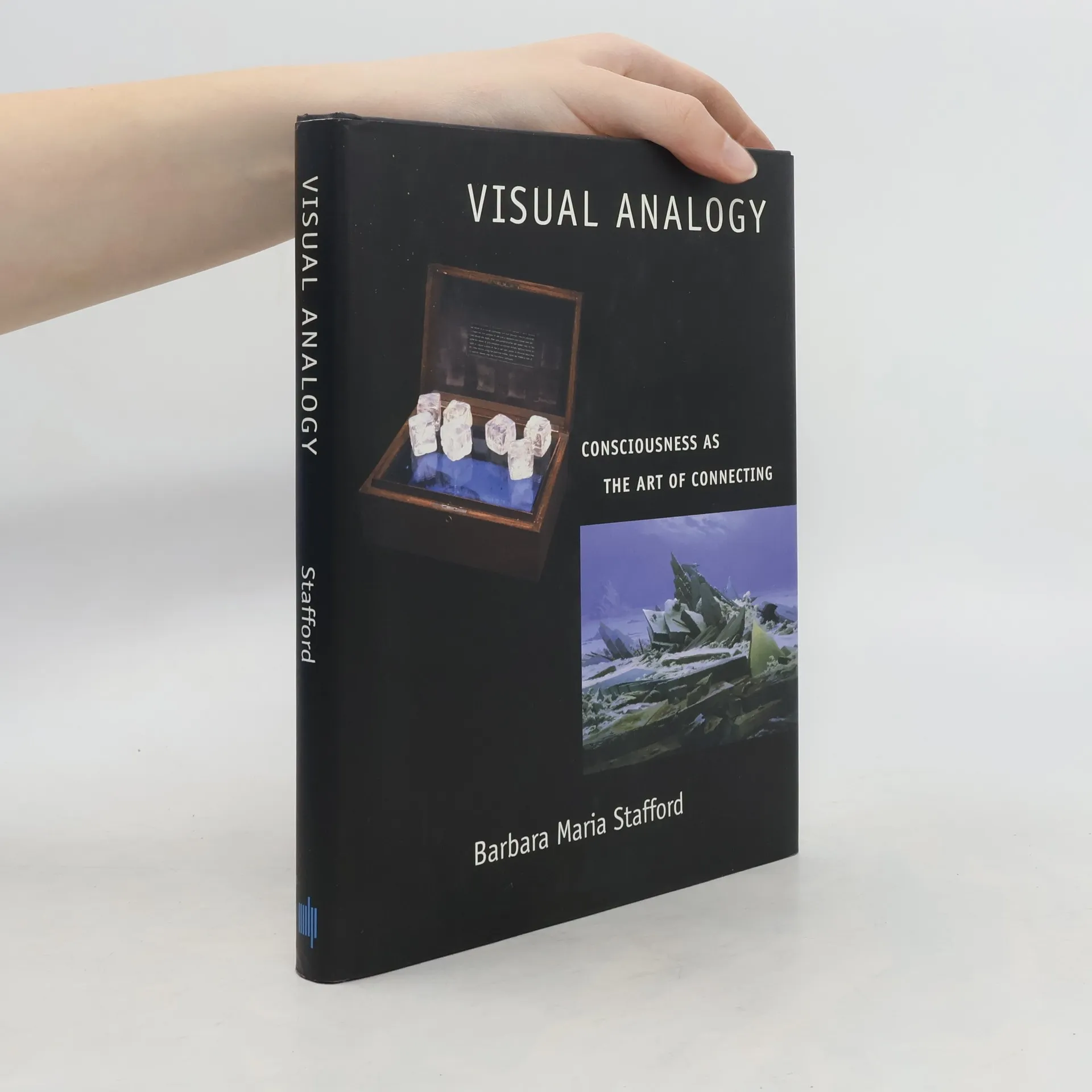
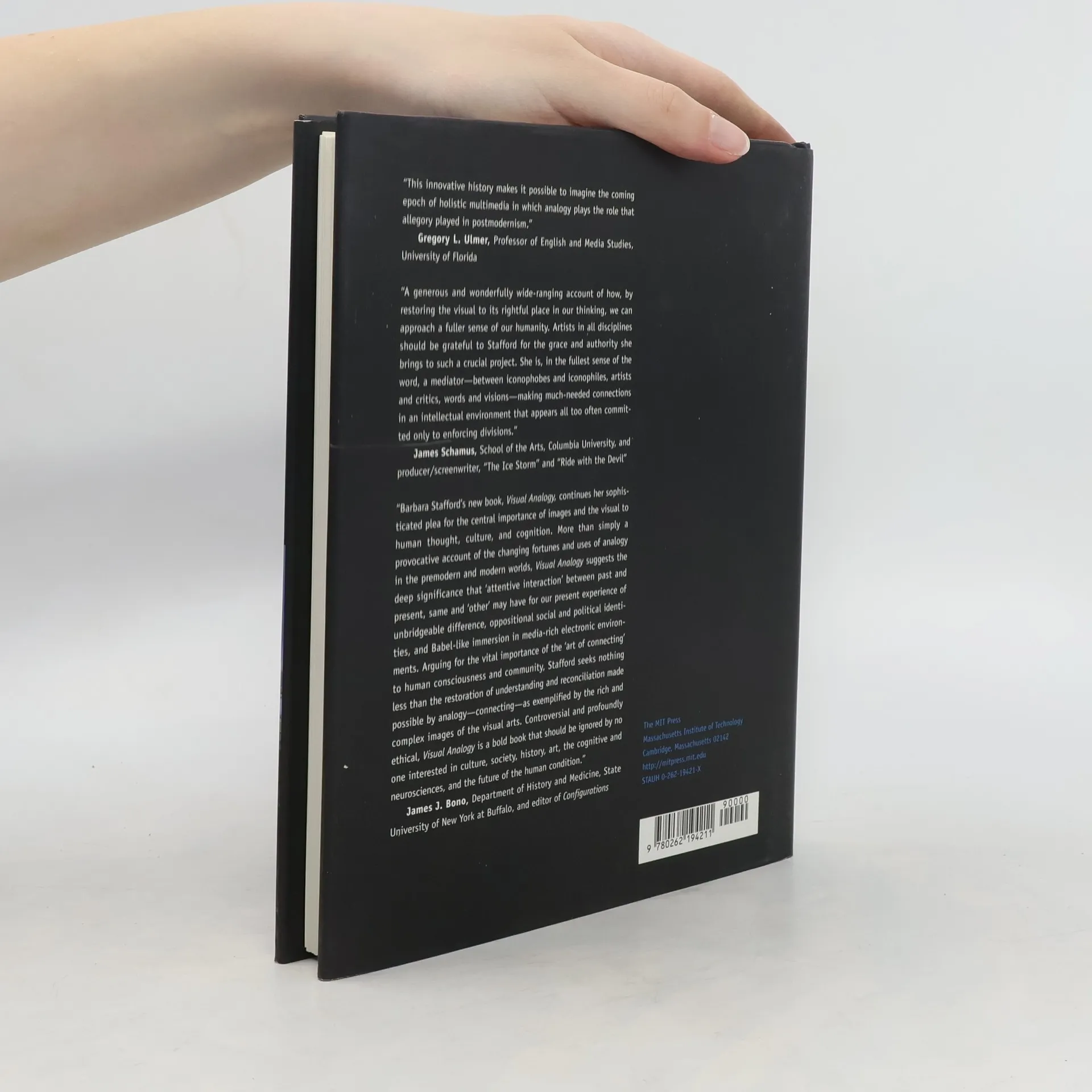
Recuperating a topic once central to philosophy, theology, rhetoric, and aesthetics, this groundbreaking book explores the discovery of sameness in otherness. How, in the face of cultural diversity, can a unique someone or something be perceived as like what it is not? This book is for anyone puzzled by why today, as Barbara Maria Stafford claims, "we possess no language for talking about resemblance, only an exaggerated awareness of difference".The first of four wide-ranging chapters paints a challenging overview of several pressing contemporary issues. Cloning, legal controversies about social inequity, identity politics, electronic copying, and the mimicry of virtual reality expose the need for a nuanced theory of similitude. The second chapter examines the historical tug-of-war between analogy and allegory, or disanalogy. The third chapter roots this divisiveness within the momentous shift from a magical universe, modeled on sexual bonds, to an engineered world built of discrete automated units. In the fourth chapter, Stafford intervenes in the consciousness debates to propose a humanistic cognitive science with bridging/analogy at its artful core.
Zakup książki
Visual Analogy, Barbara Maria Stafford
- Język

- Rok wydania
- 1999
- Oprawa
- (twarda)
Metody płatności
Nikt jeszcze nie ocenił.
- Tytuł
- Visual Analogy
- Podtytuł
- Consciousness as the Art of Connecting
- Język
- angielski
- Autorzy
- Barbara Maria Stafford
- Wydawca
- MIT Press
- Rok wydania
- 1999
- Oprawa
- twarda
- Liczba stron
- 219
- ISBN10
- 026219421X
- ISBN13
- 9780262194211
- Seria
- Tagi
- Opis
- Recuperating a topic once central to philosophy, theology, rhetoric, and aesthetics, this groundbreaking book explores the discovery of sameness in otherness. How, in the face of cultural diversity, can a unique someone or something be perceived as like what it is not? This book is for anyone puzzled by why today, as Barbara Maria Stafford claims, "we possess no language for talking about resemblance, only an exaggerated awareness of difference".The first of four wide-ranging chapters paints a challenging overview of several pressing contemporary issues. Cloning, legal controversies about social inequity, identity politics, electronic copying, and the mimicry of virtual reality expose the need for a nuanced theory of similitude. The second chapter examines the historical tug-of-war between analogy and allegory, or disanalogy. The third chapter roots this divisiveness within the momentous shift from a magical universe, modeled on sexual bonds, to an engineered world built of discrete automated units. In the fourth chapter, Stafford intervenes in the consciousness debates to propose a humanistic cognitive science with bridging/analogy at its artful core.