

Ocena książki
Więcej o książce
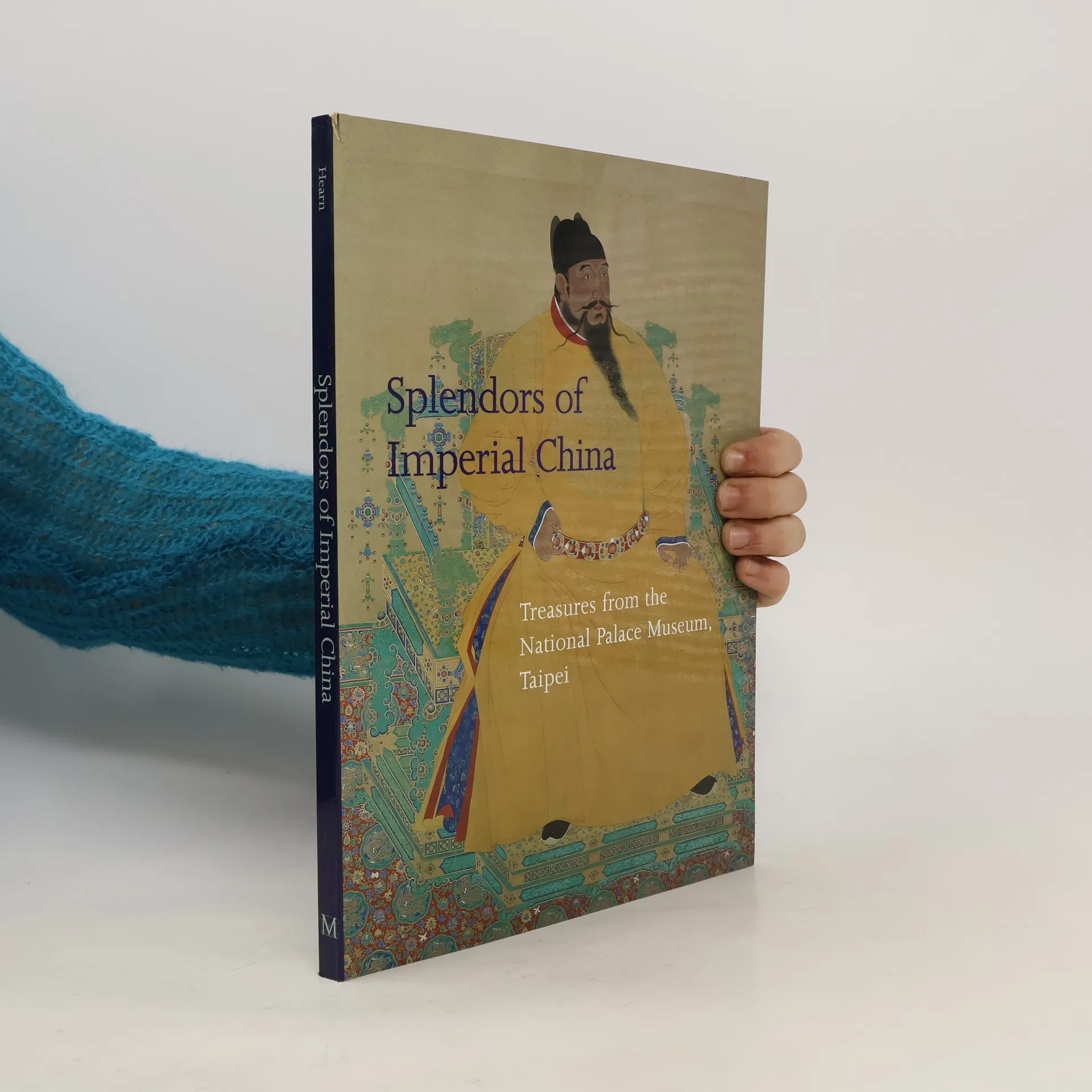
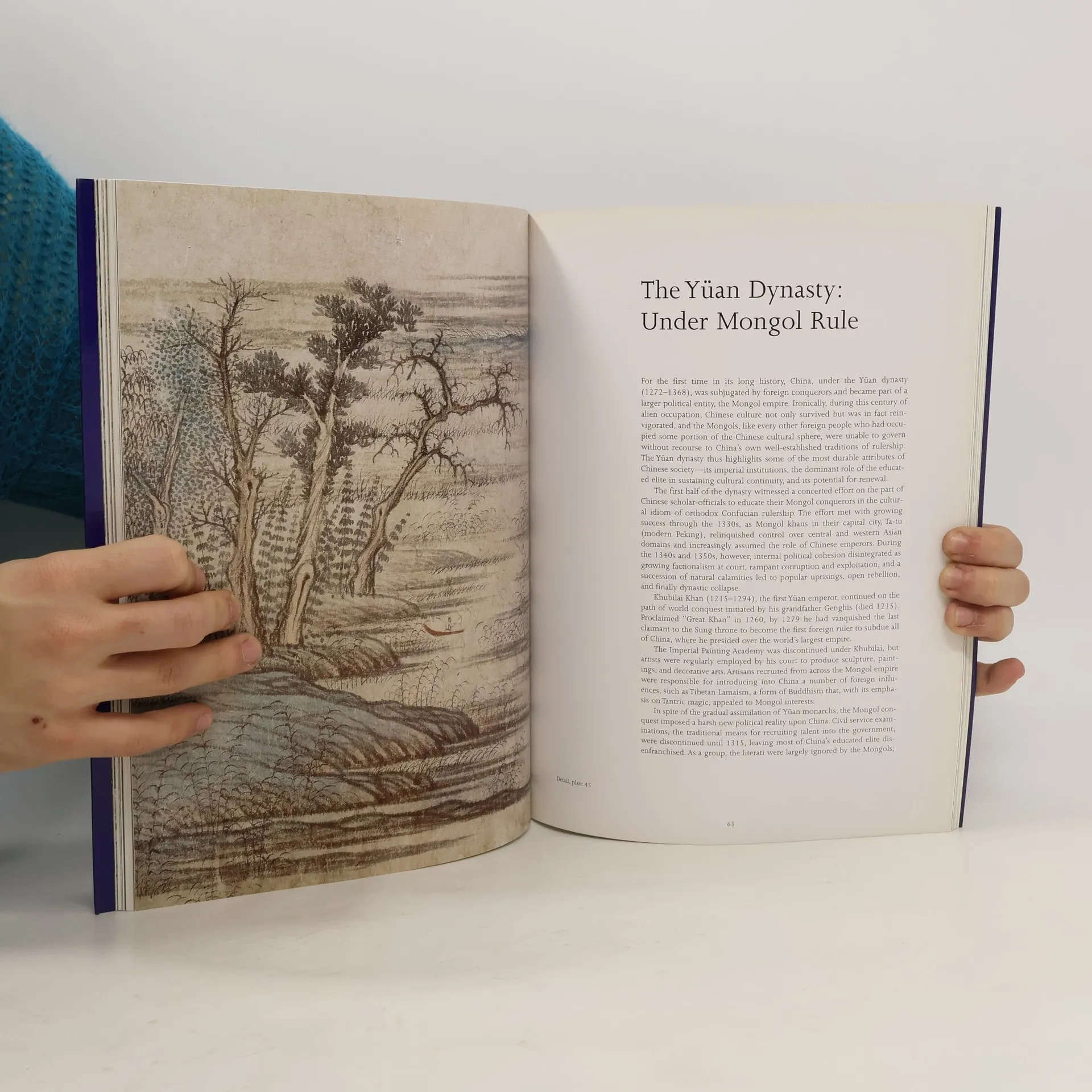
The collection of the National Palace Museum is made up largely of the personal holdings of the Ch'ien-lung emperor (reigned 1736-95). Representing the artistic legacy of imperial China, it offers an unsurpassed view of Chinese civilization. The objects lavishly illustrated and described in this book, which include magnificent ritual bronzes, precious jades, monumental landscape paintings, and exquisite ceramics, are among the finest ever created. Published to accompany the exhibition "Splendors of Imperial China: Treasures from the National Palace Museum, Taipei," the book takes the reader through the most significant periods of Chinese culture: its foundations in the Neolithic and Bronze Ages, its flowering in the sophisticated world of the Sung dynasty, its exuberance during the Ming, and its technical brilliance under the Manchus. The author makes the unique beauty of this art accessible through comparisons of selected works and through discussion of their historical context.
Zakup książki
Splendors of Imperial China, kolektiv
- Język

- Rok wydania
- 1996
- Oprawa
- (miękka)
Metody płatności
Brakuje nam tutaj Twojej recenzji.
- Tytuł
- Splendors of Imperial China
- Podtytuł
- Treasures from the National Palace Museum, Taipei
- Język
- angielski
- Autorzy
- kolektiv
- Wydawca
- Metropolitan Museum of Art
- Rok wydania
- 1996
- Oprawa
- miękka
- Liczba stron
- 144
- ISBN10
- 0870997661
- ISBN13
- 9780870997662
- Seria
- Ocena
- 3,85 z 5
- Opis
- The collection of the National Palace Museum is made up largely of the personal holdings of the Ch'ien-lung emperor (reigned 1736-95). Representing the artistic legacy of imperial China, it offers an unsurpassed view of Chinese civilization. The objects lavishly illustrated and described in this book, which include magnificent ritual bronzes, precious jades, monumental landscape paintings, and exquisite ceramics, are among the finest ever created. Published to accompany the exhibition "Splendors of Imperial China: Treasures from the National Palace Museum, Taipei," the book takes the reader through the most significant periods of Chinese culture: its foundations in the Neolithic and Bronze Ages, its flowering in the sophisticated world of the Sung dynasty, its exuberance during the Ming, and its technical brilliance under the Manchus. The author makes the unique beauty of this art accessible through comparisons of selected works and through discussion of their historical context.