

Parametry
Więcej o książce
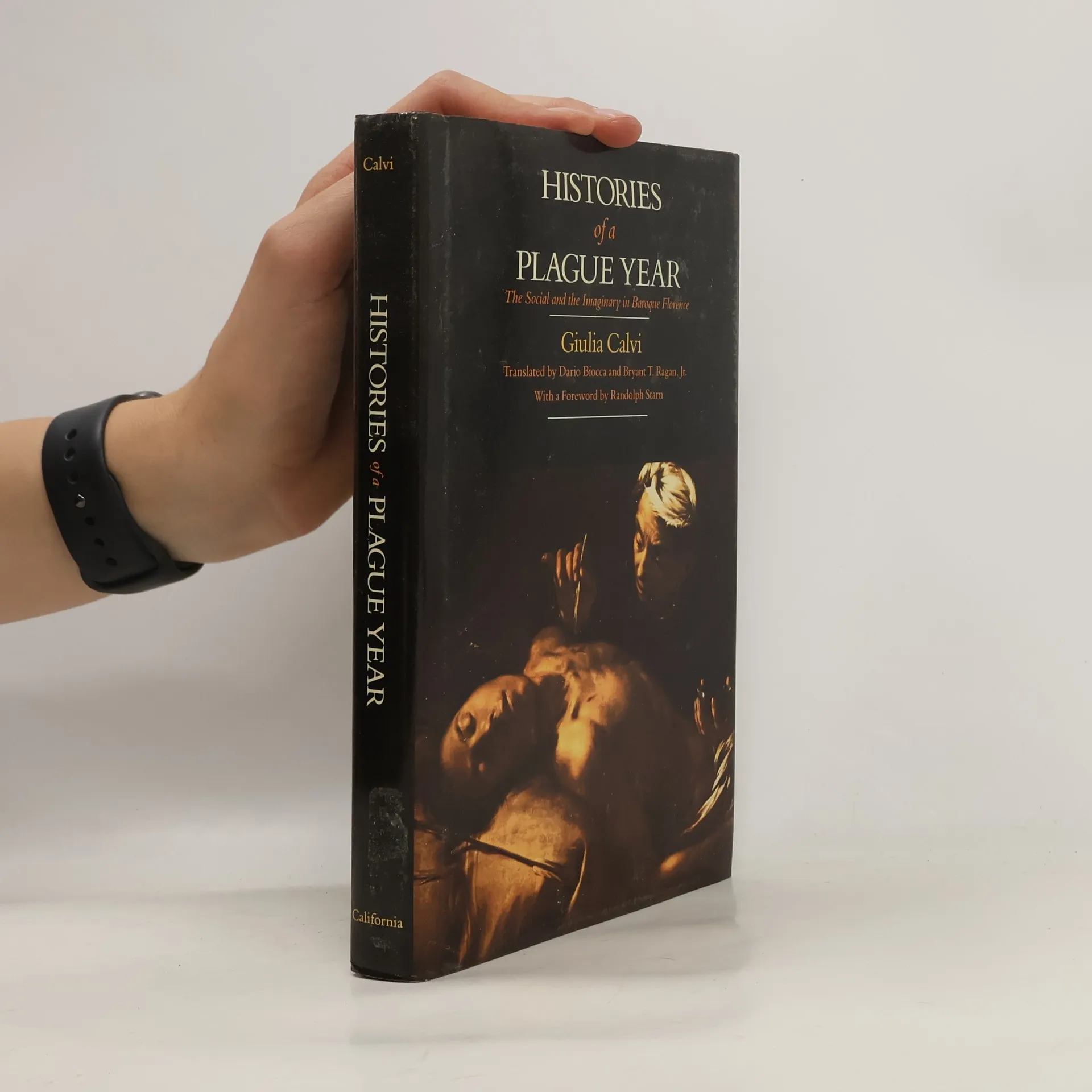
Since 1945, historians have quite successfully uncovered what everyday life was like for the popular classes of pre-industrial Europe. How these people made sense of their lives, however, has proven to be more elusive. By focusing on the plague of 1630-33 in the city of Florence, Calvi presents an innovative approach to understanding how Florentines constructed a multitude of discourses designed to instill meaning and order in their tumultuous social universe.Rich archival sources provide Calvi with a unique opportunity to portray the minute contours of Baroque daily life. Her interdisciplinary approach, drawn most heavily from cultural anthropology and semiotics, enables her to decode the many layers of narrative invented by individuals who sought to understand why and how the plague was spread.In this important contribution to the study of both early modern Italy and the history of mentalités, Calvi affirms the methodological and analytical fruitfulness of the new school of microhistory.
Zakup książki
Histories of a Plague Year, Giulia Calvi
- Język

- Rok wydania
- 1989
- Oprawa
- (twarda)
Metody płatności
Brakuje nam tutaj Twojej recenzji.
- Tytuł
- Histories of a Plague Year
- Podtytuł
- The Social and the Imaginary in Baroque Florence
- Język
- angielski
- Autorzy
- Giulia Calvi
- Wydawca
- Univ of California Press
- Rok wydania
- 1989
- Oprawa
- twarda
- ISBN10
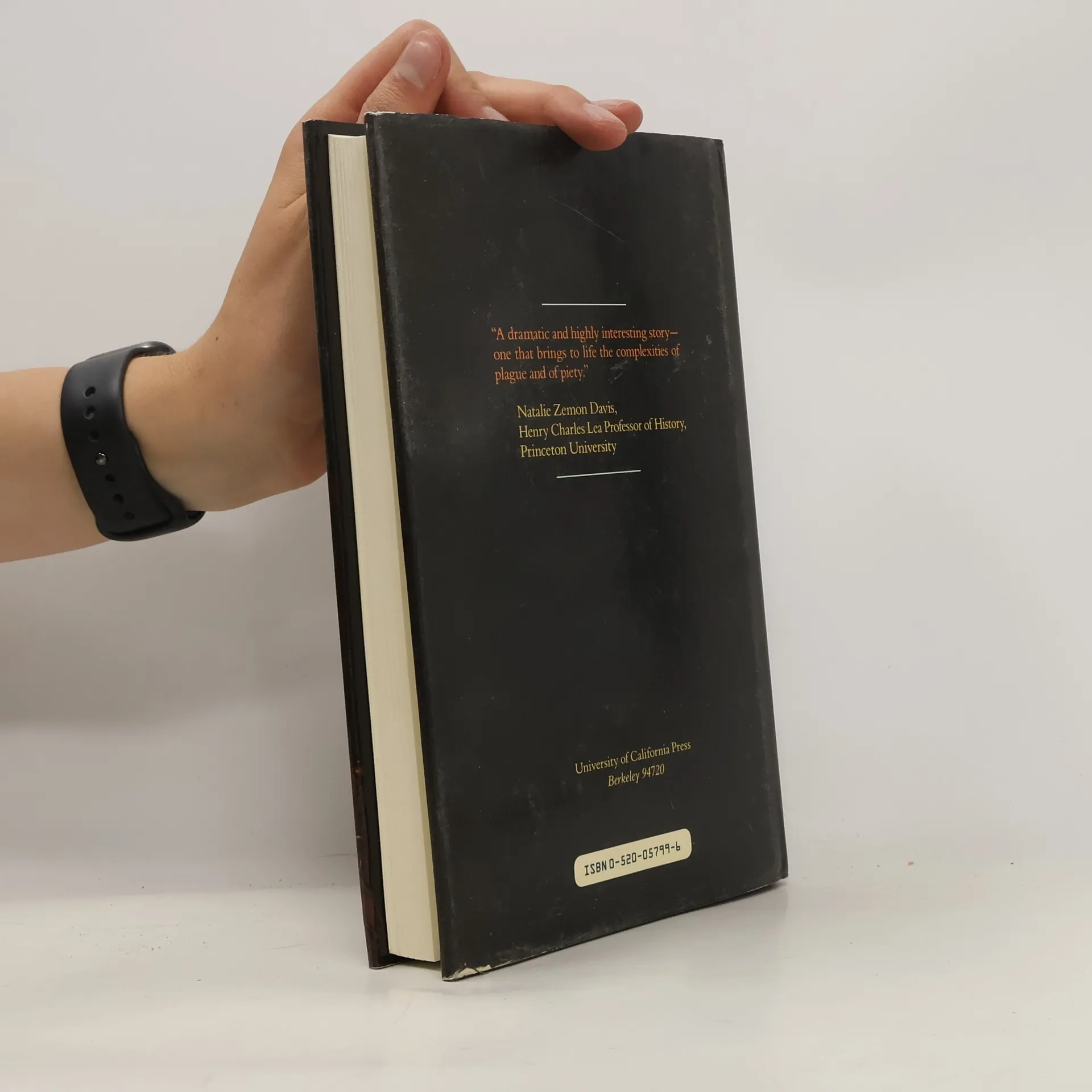
- 0520057996
- ISBN13
- 9780520057999
- Seria
- Kategorie
- Ocena
- 3,65 z 5
- Opis
- Since 1945, historians have quite successfully uncovered what everyday life was like for the popular classes of pre-industrial Europe. How these people made sense of their lives, however, has proven to be more elusive. By focusing on the plague of 1630-33 in the city of Florence, Calvi presents an innovative approach to understanding how Florentines constructed a multitude of discourses designed to instill meaning and order in their tumultuous social universe.Rich archival sources provide Calvi with a unique opportunity to portray the minute contours of Baroque daily life. Her interdisciplinary approach, drawn most heavily from cultural anthropology and semiotics, enables her to decode the many layers of narrative invented by individuals who sought to understand why and how the plague was spread.In this important contribution to the study of both early modern Italy and the history of mentalités, Calvi affirms the methodological and analytical fruitfulness of the new school of microhistory.