

Parametry
Więcej o książce
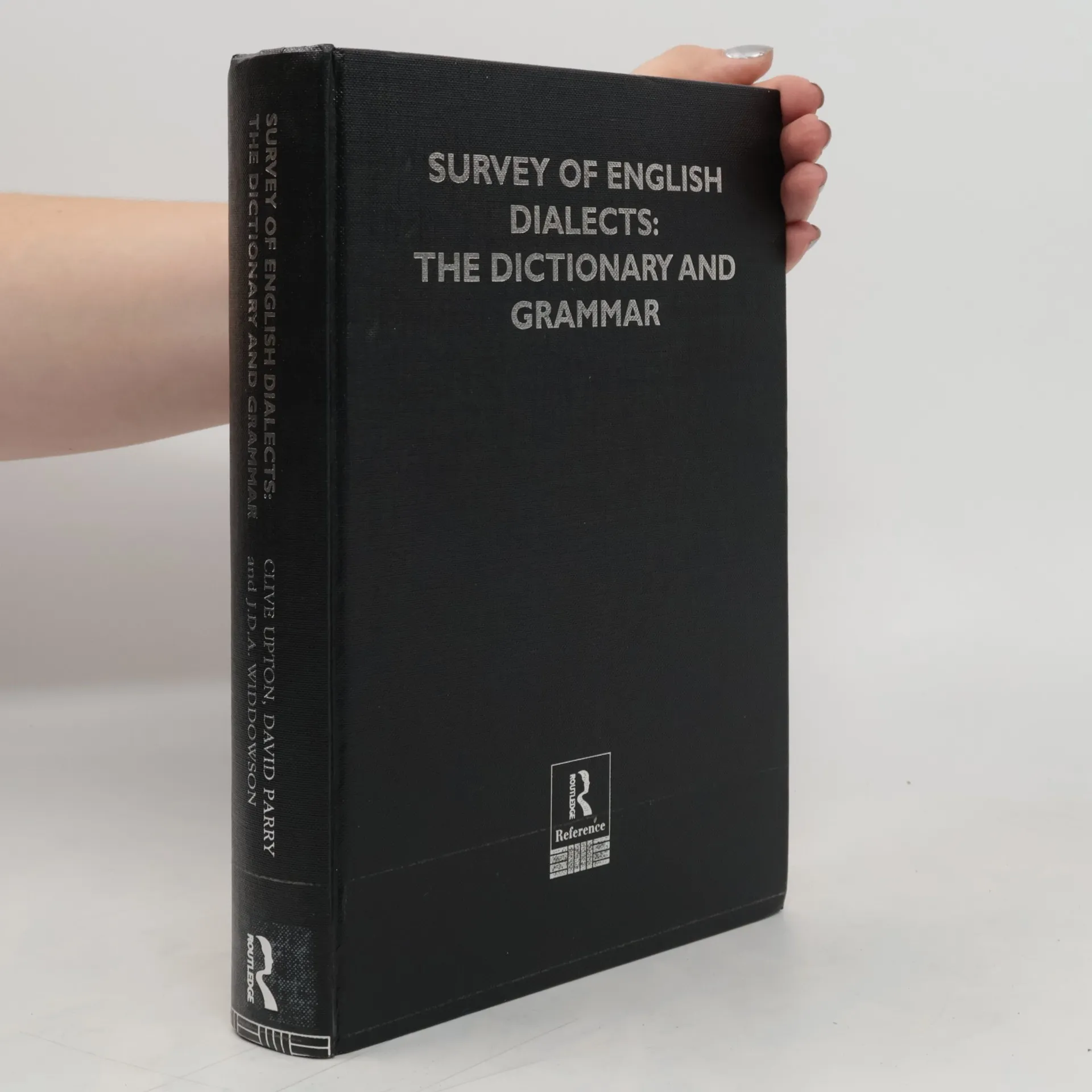
First Published in 1994. The Survey of English Dialects (SED) is the only detailed nation-wide dialect survey which has ever been conducted in England. The SED is a unique repository of data on the traditional dialects of England in the mid-twentieth century. This remarkable record is a valuable resource for scholars in the fields of British English dialectology, sociolinguistics, and English historical linguistics. The SED fieldwork was undertaken in predominantly rural communities in England in the middle of the twentieth century, at a time when social, domestic and working life was undergoing very significant changes. The SED is thus a record of speech which reflects a society different in many ways from today, and as such affords the possibility of comparison which is instructive to those engaged in all types of study of linguistics today.
Zakup książki
Survey of English Dialects : The Dictionary and Grammar, kolektiv
- Język

- Rok wydania
- 1994
- Oprawa
- (twarda)
Metody płatności
Nikt jeszcze nie ocenił.
- Tytuł
- Survey of English Dialects : The Dictionary and Grammar
- Język
- angielski
- Autorzy
- kolektiv
- Wydawca
- Routledge
- Rok wydania
- 1994
- Oprawa
- twarda
- ISBN10
- 0415020298
- ISBN13
- 9780415020299
- Seria
- Kategorie
- Opis
- First Published in 1994. The Survey of English Dialects (SED) is the only detailed nation-wide dialect survey which has ever been conducted in England. The SED is a unique repository of data on the traditional dialects of England in the mid-twentieth century. This remarkable record is a valuable resource for scholars in the fields of British English dialectology, sociolinguistics, and English historical linguistics. The SED fieldwork was undertaken in predominantly rural communities in England in the middle of the twentieth century, at a time when social, domestic and working life was undergoing very significant changes. The SED is thus a record of speech which reflects a society different in many ways from today, and as such affords the possibility of comparison which is instructive to those engaged in all types of study of linguistics today.