


Parametry
- 256 stron
- 9 godzin czytania
Więcej o książce
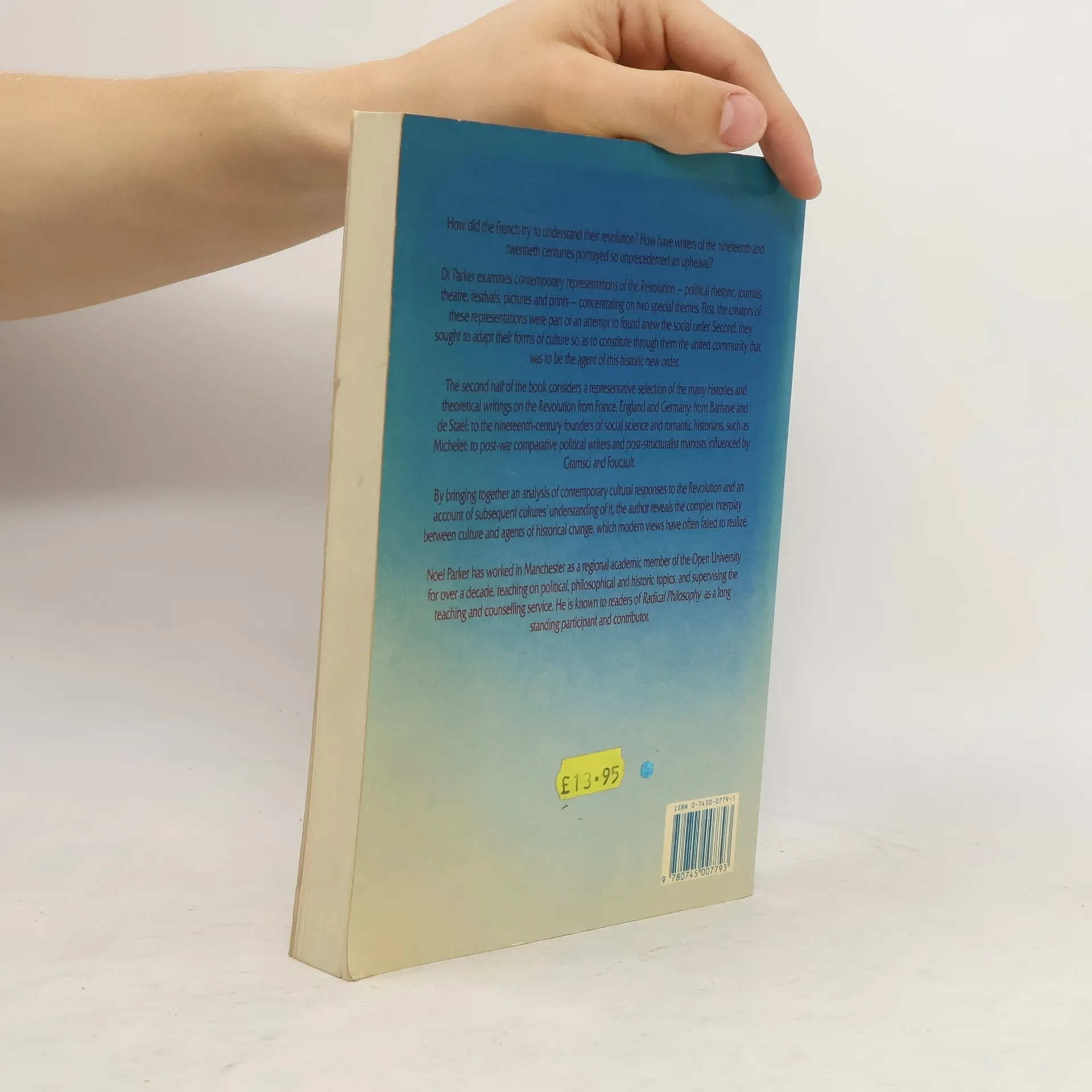
How did the French try to understand their revolution? How have writers of the nineteenth and twentieth centuries portrayed so unprecedented an upheaval? Dr. Parker examines contemporary representations of the Revolution―political rhetoric, journals, theatre, festivals, pictures and prints―concentrating on two special themes. First, the creators of these representations were part of an attempt to found anew the social order. Second, they sought to adapt their forms of culture so as to constitute through them the united community that was to be the agent of this historic new order. The second half of the book considers a representative selection of the many histories and theoretical writings on the Revolution from France, England and from Barnave and de Stael; to the nineteenth-century founders of social science and romantic historians, such as Michelet; to post-war comparative political writers and post-structuralist marxists influenced by Gramsci and Foucault. By bringing together an analysis of contemporary cultural responses to the Revolution and an account of subsequent cultures’ understanding of it, the author reveals the complex interplay between culture and agents of historical change, which modern views have often failed to realize.
Zakup książki
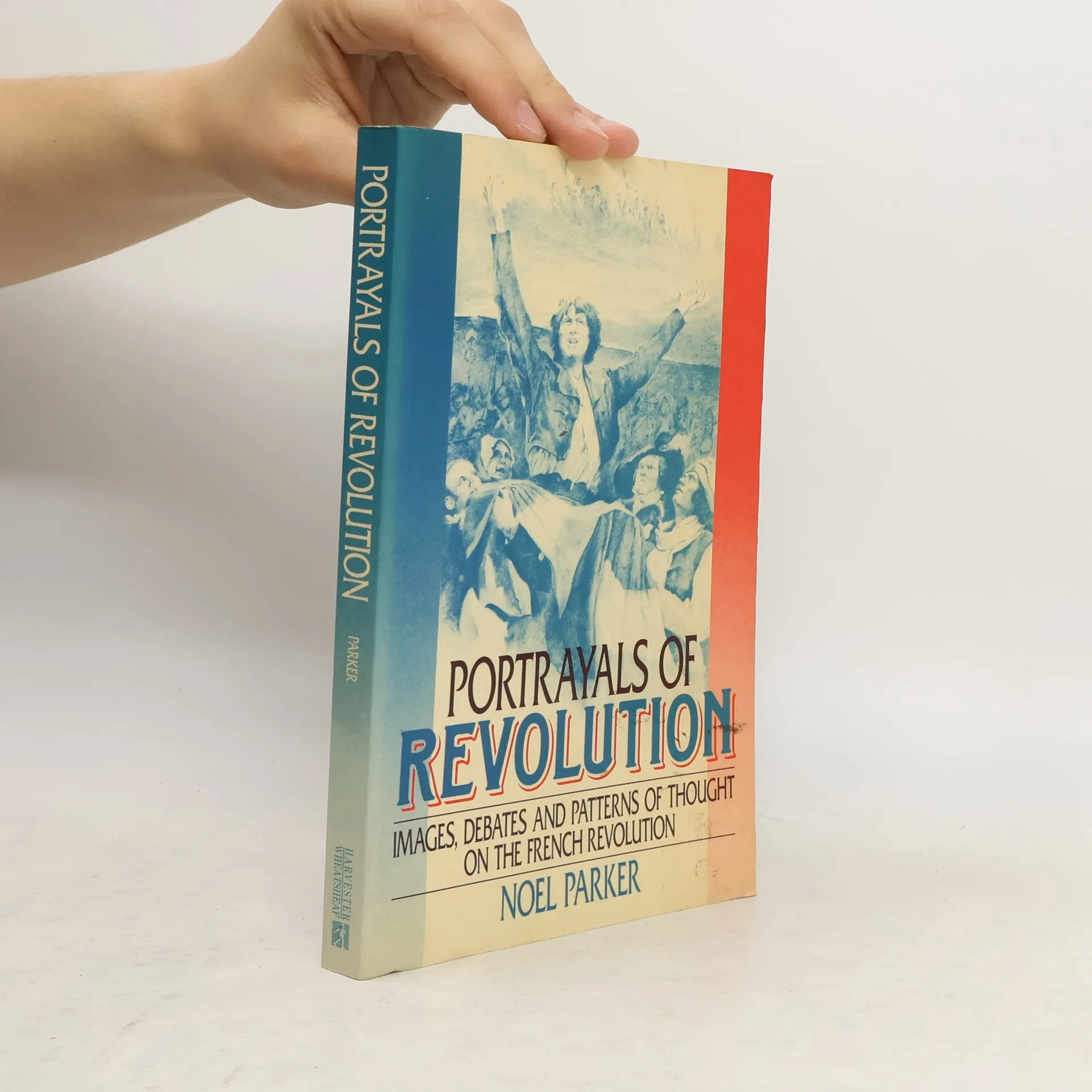
Portrayals of Revolution, Geoffrey Parker
- Język

- Rok wydania
- 1990
- Oprawa
- (miękka)
Metody płatności
Nikt jeszcze nie ocenił.
- Tytuł
- Portrayals of Revolution
- Język
- angielski
- Autorzy
- Geoffrey Parker
- Wydawca
- Harvester Wheatsheaf
- Rok wydania
- 1990
- Oprawa
- miękka
- Liczba stron
- 256
- ISBN10
- 0745007791
- ISBN13
- 9780745007793
- Seria
- Kategorie
- Opis
- How did the French try to understand their revolution? How have writers of the nineteenth and twentieth centuries portrayed so unprecedented an upheaval? Dr. Parker examines contemporary representations of the Revolution―political rhetoric, journals, theatre, festivals, pictures and prints―concentrating on two special themes. First, the creators of these representations were part of an attempt to found anew the social order. Second, they sought to adapt their forms of culture so as to constitute through them the united community that was to be the agent of this historic new order. The second half of the book considers a representative selection of the many histories and theoretical writings on the Revolution from France, England and from Barnave and de Stael; to the nineteenth-century founders of social science and romantic historians, such as Michelet; to post-war comparative political writers and post-structuralist marxists influenced by Gramsci and Foucault. By bringing together an analysis of contemporary cultural responses to the Revolution and an account of subsequent cultures’ understanding of it, the author reveals the complex interplay between culture and agents of historical change, which modern views have often failed to realize.