

Więcej o książce
This important work explores the nature and goals of dialogue between faiths, particularly from a Christian perspective. David Lochhead differentiates between various ideological stances—often termed "exclusivity" or "inclusivity"—that shape Christian attitudes toward other religions. He examines both sociological and theological dimensions, concluding that a theology of interfaith dialogue must be rooted in a broader theology of the world. Lochhead offers fresh insights into Barth's views, arguing that they are not inherently hostile to interfaith dialogue. Instead, Barth raises critical questions about reconciling dialogue with Christian faithfulness. He advocates for a stance of "faithful agnosticism," which avoids preconceived judgments about other faiths, fostering constructive interfaith relationships. Lochhead further discusses dialogue as a means to truth, referencing Plato and Buber, and questions whether a doctrine of revelation must be universalized for dialogue to occur. He evaluates various ultimate goals of dialogue—understanding, negotiation, integration, and activity—concluding with the significance of the dialogical imperative for Christian theology and mission. This concise treatment affirms a dialogical approach within the Reformed Protestant tradition, emphasizing that dialogue is essential for the church.
Zakup książki
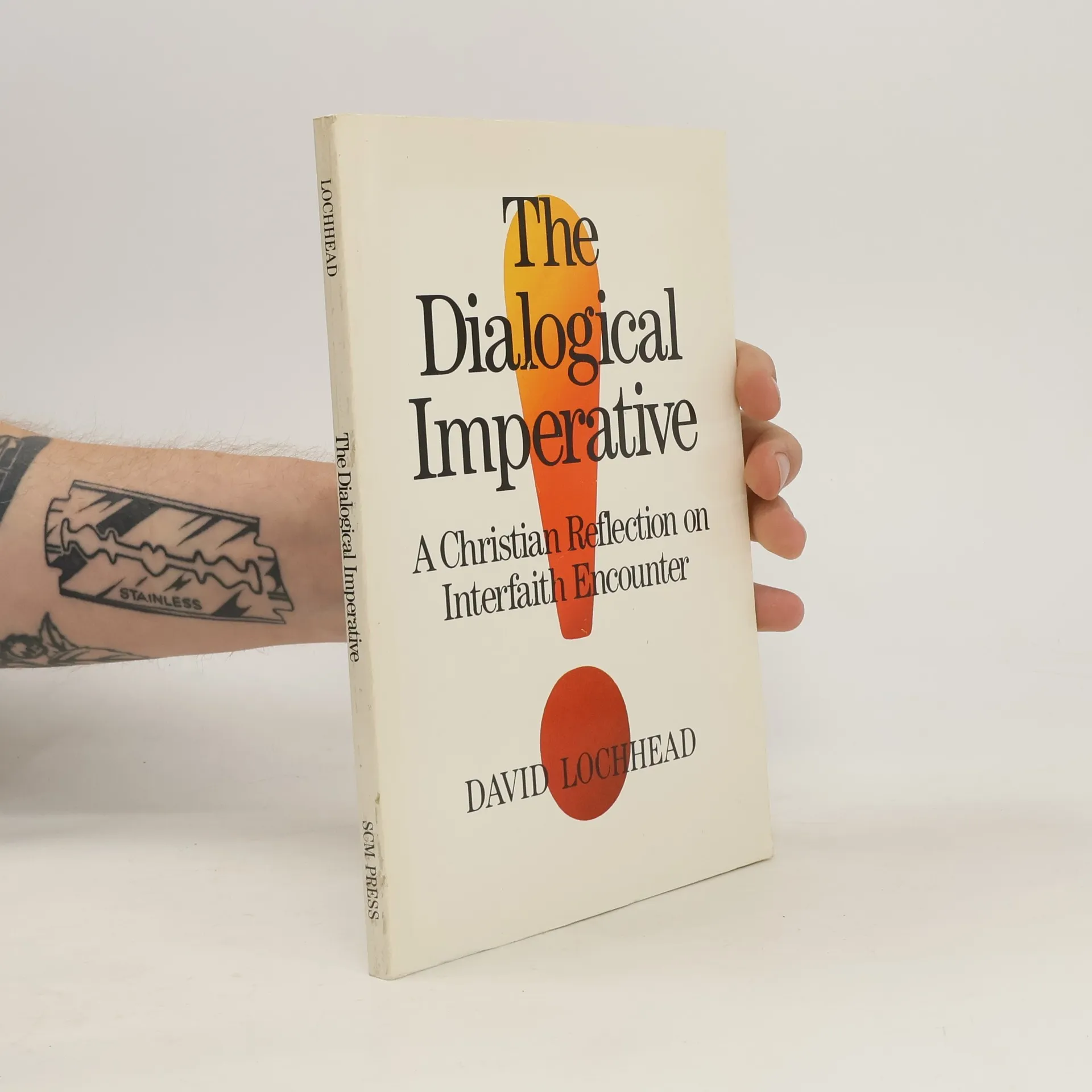
The Dialogical Imperative, David Lochhead
- Język

- Rok wydania
- 1988
- Oprawa
- (miękka)
Metody płatności
Nikt jeszcze nie ocenił.
- Tytuł
- The Dialogical Imperative
- Podtytuł
- A Christian Reflection on Interfaith Encounter
- Język
- angielski
- Autorzy
- David Lochhead
- Rok wydania
- 1988
- Oprawa
- miękka
- Liczba stron
- 112
- ISBN10
- 0334019699
- ISBN13
- 9780334019695
- Seria
- Kategorie
- Tagi
- Opis
- This important work explores the nature and goals of dialogue between faiths, particularly from a Christian perspective. David Lochhead differentiates between various ideological stances—often termed "exclusivity" or "inclusivity"—that shape Christian attitudes toward other religions. He examines both sociological and theological dimensions, concluding that a theology of interfaith dialogue must be rooted in a broader theology of the world. Lochhead offers fresh insights into Barth's views, arguing that they are not inherently hostile to interfaith dialogue. Instead, Barth raises critical questions about reconciling dialogue with Christian faithfulness. He advocates for a stance of "faithful agnosticism," which avoids preconceived judgments about other faiths, fostering constructive interfaith relationships. Lochhead further discusses dialogue as a means to truth, referencing Plato and Buber, and questions whether a doctrine of revelation must be universalized for dialogue to occur. He evaluates various ultimate goals of dialogue—understanding, negotiation, integration, and activity—concluding with the significance of the dialogical imperative for Christian theology and mission. This concise treatment affirms a dialogical approach within the Reformed Protestant tradition, emphasizing that dialogue is essential for the church.