

Więcej o książce
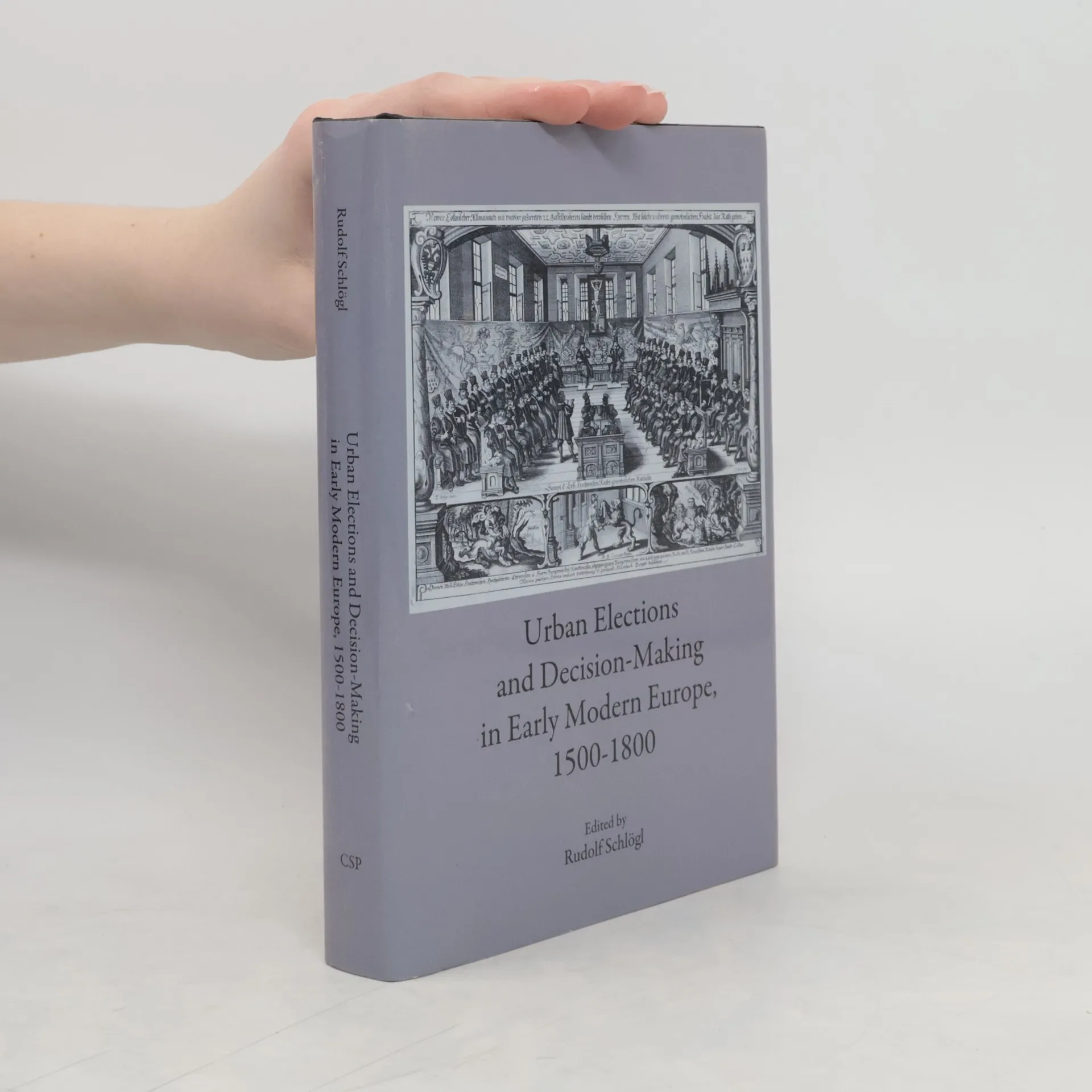
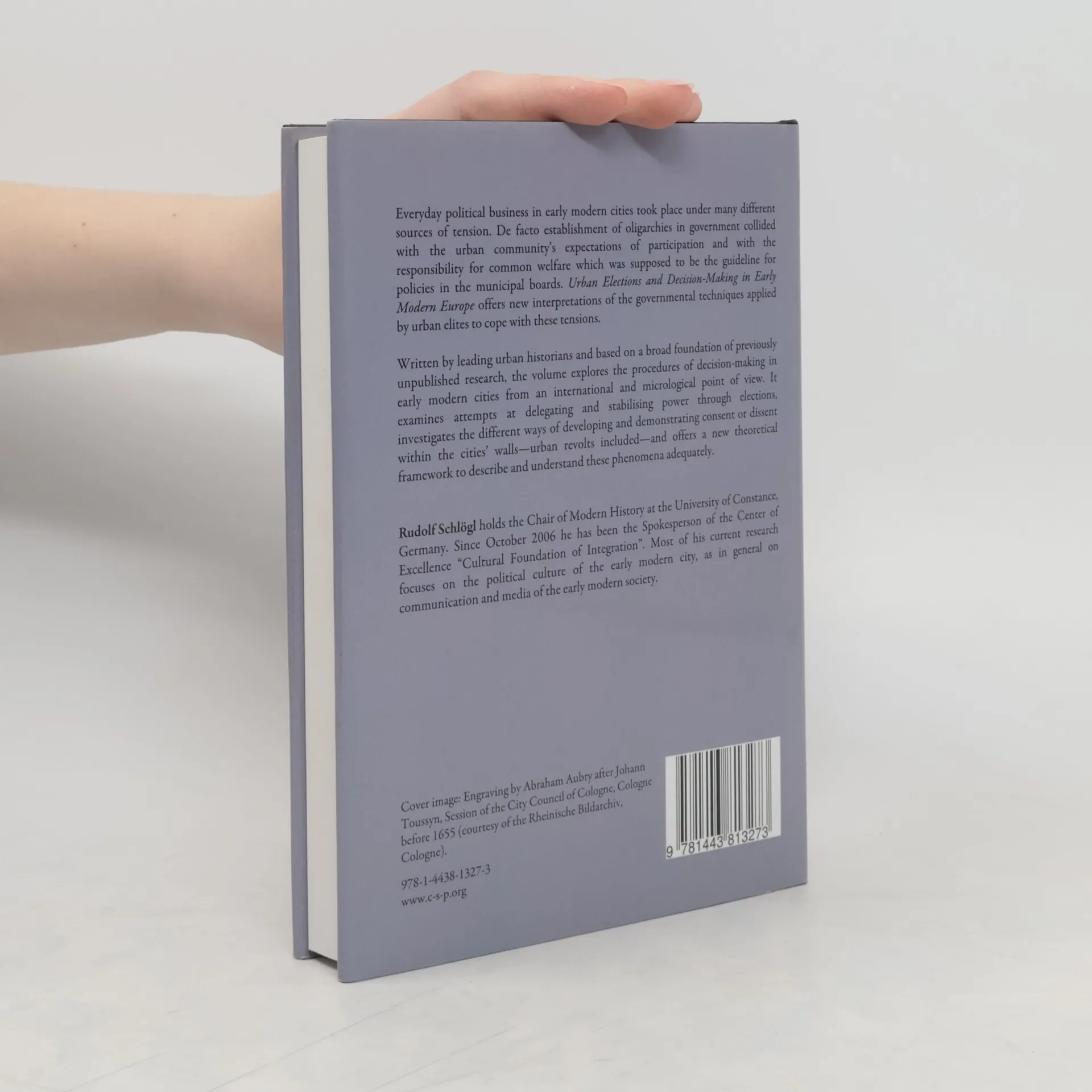
Everyday political business in early modern cities took place under many different sources of tension. De facto establishment of the oligarchy in the government collided with the urban community's expectations of participation and with the responsibility for common welfare which was supposed to be the guideline for policies in the municipal boards. 'Urban Elections and Decision-Making in Early Modern Europe' offers new interpretations of the governmental techniques applied by urban elites to cope with these tensions. Written by leading historians of urban history and based on a broad foundation of previously unpublished research, the volume explores the procedures of decision-making in early modern cities from an international and micrological point of view. It examines the attempts of delegating and stabilising power through elections, asks for the different ways of developing and demonstrating consent or dissent within the cities' walls - urban revolts included - and offers a new theoretical framework to describe and understand these phenomena adequately.
Zakup książki
Urban Elections and Decision-making in Early Modern Europe, 1500-1800, Rudolf Schlögl, Patrick Oelze, Jan Marco Sawilla, Alexander Schlaak
- Język

- Rok wydania
- 2009
- Oprawa
- (twarda)
Metody płatności
Nikt jeszcze nie ocenił.
- Tytuł
- Urban Elections and Decision-making in Early Modern Europe, 1500-1800
- Język
- angielski
- Rok wydania
- 2009
- Oprawa
- twarda
- Liczba stron
- 329
- ISBN10
- 1443813273
- ISBN13
- 9781443813273
- Seria
- Opis
- Everyday political business in early modern cities took place under many different sources of tension. De facto establishment of the oligarchy in the government collided with the urban community's expectations of participation and with the responsibility for common welfare which was supposed to be the guideline for policies in the municipal boards. 'Urban Elections and Decision-Making in Early Modern Europe' offers new interpretations of the governmental techniques applied by urban elites to cope with these tensions. Written by leading historians of urban history and based on a broad foundation of previously unpublished research, the volume explores the procedures of decision-making in early modern cities from an international and micrological point of view. It examines the attempts of delegating and stabilising power through elections, asks for the different ways of developing and demonstrating consent or dissent within the cities' walls - urban revolts included - and offers a new theoretical framework to describe and understand these phenomena adequately.