

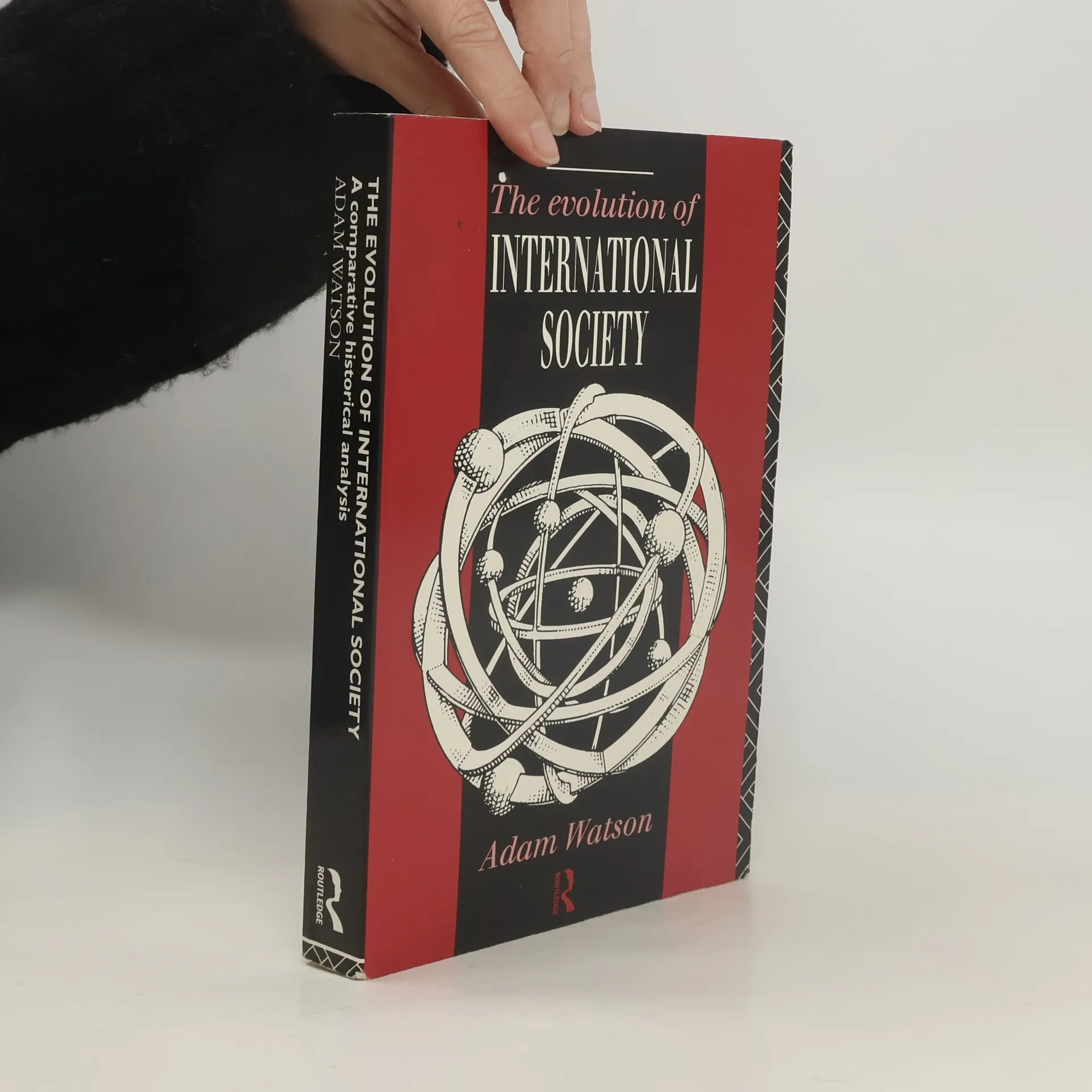
Więcej o książce
In this uniquely comprehensive historical study, Adam Watson draws on a lifetime of research and diplomatic experience to explain how international societies function. He examines the systems of ancient states, from Sumer through India, China, Greece, Rome, and Islam, and conducts an in-depth analysis of the worldwide contemporary society which developed from them. The Evolution of International Society describes and compares the changing rules and practices of ancient systems, showing their development within a spectrum ranging from loose international societies of many independent states ordered by some degree of hegemony, to tighter imperial systems tempered by some measure of autonomy. The book demonstrates in convincing detail that political entities have usually co-existed, not in an anarchic state of nature, but organized by agreed rules and practices that derive substantially from past experience. The author also shows that our present international society, although distinct, is only the latest in a series. Lucidly and straightforwardly written, with a strong emphasis on practice, the book makes a major contribution to international theory and to our understanding of international relations.
Zakup książki
The Evolution of International Society, Adam Watson
- Język

- Rok wydania
- 1992
- Oprawa
- (miękka)
Metody płatności
Brakuje nam tutaj Twojej recenzji.
- Tytuł
- The Evolution of International Society
- Podtytuł
- A Comparative Historical Analysis
- Język
- angielski
- Autorzy
- Adam Watson
- Wydawca
- Psychology Press
- Rok wydania
- 1992
- Oprawa
- miękka
- Liczba stron
- 337
- ISBN10
- 0415069998
- ISBN13
- 9780415069991
- Seria
- Tagi
- Polityka
- Ocena
- 4,1 z 5
- Opis
- In this uniquely comprehensive historical study, Adam Watson draws on a lifetime of research and diplomatic experience to explain how international societies function. He examines the systems of ancient states, from Sumer through India, China, Greece, Rome, and Islam, and conducts an in-depth analysis of the worldwide contemporary society which developed from them. The Evolution of International Society describes and compares the changing rules and practices of ancient systems, showing their development within a spectrum ranging from loose international societies of many independent states ordered by some degree of hegemony, to tighter imperial systems tempered by some measure of autonomy. The book demonstrates in convincing detail that political entities have usually co-existed, not in an anarchic state of nature, but organized by agreed rules and practices that derive substantially from past experience. The author also shows that our present international society, although distinct, is only the latest in a series. Lucidly and straightforwardly written, with a strong emphasis on practice, the book makes a major contribution to international theory and to our understanding of international relations.