

Więcej o książce
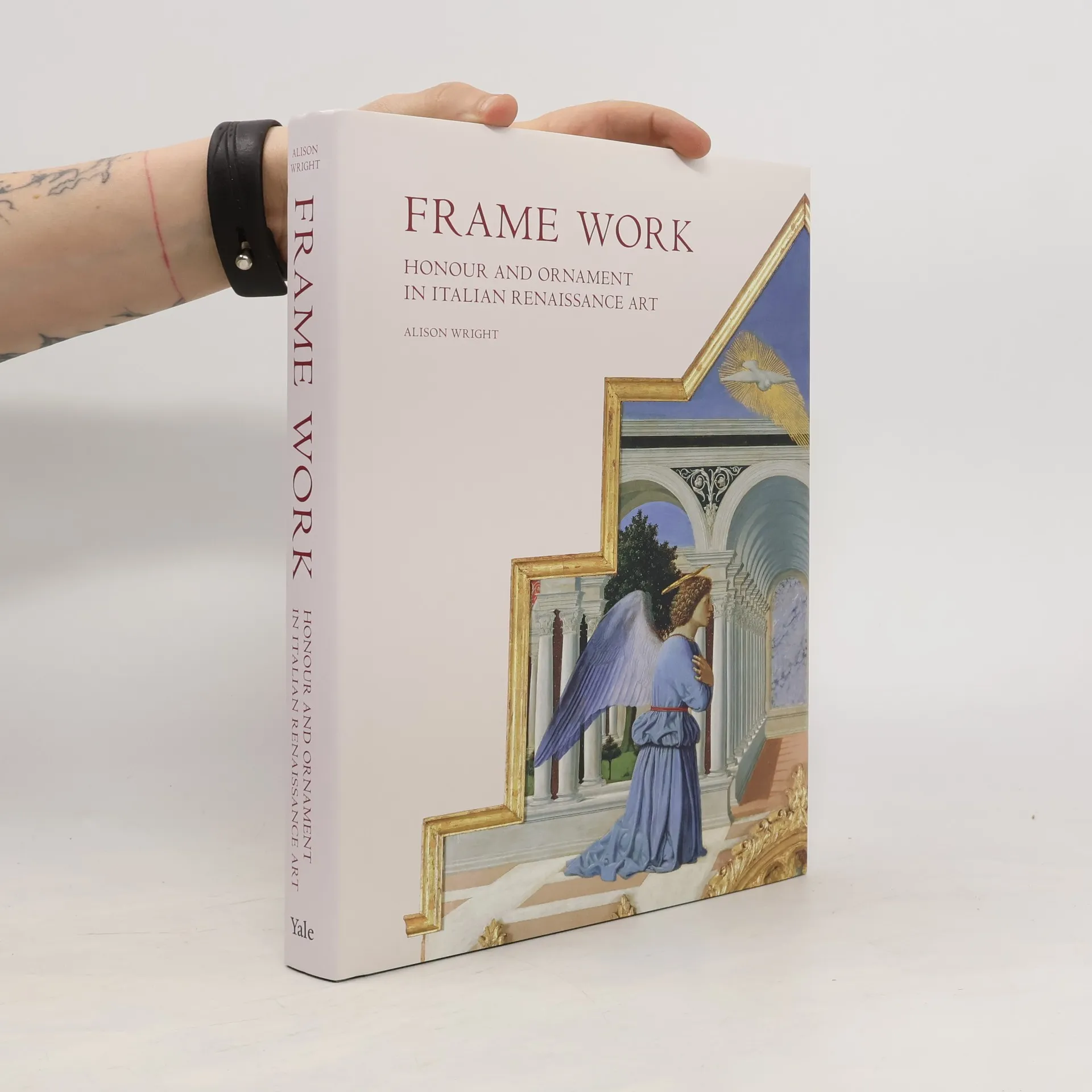
“My husband Jan finished me on 17 June 1439. . . . My age was 33 years.” So speaks Margaret van Eyck from the frame of her portrait. This painted inscription honors its maker Jan van Eyck, even as it blurs the distinction between living subject and painted double. Frame Work, an in-depth study of paintings, sculpture, and manuscript illumination in their varied social settings, argues that frames and framing devices are central to how Renaissance images operate. In a period of rapid cultural change, framing began to secure the very notion of an independent “artwork,” and reframings could regulate the meaning attached to works of art—a process that continues in the present day. Highlighting innovations in framing introduced by figures such as Donatello, Giovanni Bellini, and Jean Fouquet, this original book shows how the inventive character of Renaissance frames responds to broader sociopolitical and religious change. The frame emerges as a site of beauty, display, and persuasion, and as a mechanism of control.
Zakup książki
Frame Work, Alison Wright
- Język

- Rok wydania
- 2019
- Oprawa
- (twarda)
Metody płatności
Brakuje nam tutaj Twojej recenzji.
- Tytuł
- Frame Work
- Podtytuł
- Honour and Ornament in Italian Renaissance Art
- Język
- angielski
- Autorzy
- Alison Wright
- Wydawca
- Yale University Press
- Rok wydania
- 2019
- Oprawa
- twarda
- Liczba stron
- 352
- ISBN10
- 0300238843
- ISBN13
- 9780300238846
- Seria
- Kategorie
- Tagi
- Renesans
- Ocena
- 3 z 5
- Opis
- “My husband Jan finished me on 17 June 1439. . . . My age was 33 years.” So speaks Margaret van Eyck from the frame of her portrait. This painted inscription honors its maker Jan van Eyck, even as it blurs the distinction between living subject and painted double. Frame Work, an in-depth study of paintings, sculpture, and manuscript illumination in their varied social settings, argues that frames and framing devices are central to how Renaissance images operate. In a period of rapid cultural change, framing began to secure the very notion of an independent “artwork,” and reframings could regulate the meaning attached to works of art—a process that continues in the present day. Highlighting innovations in framing introduced by figures such as Donatello, Giovanni Bellini, and Jean Fouquet, this original book shows how the inventive character of Renaissance frames responds to broader sociopolitical and religious change. The frame emerges as a site of beauty, display, and persuasion, and as a mechanism of control.