

Więcej o książce
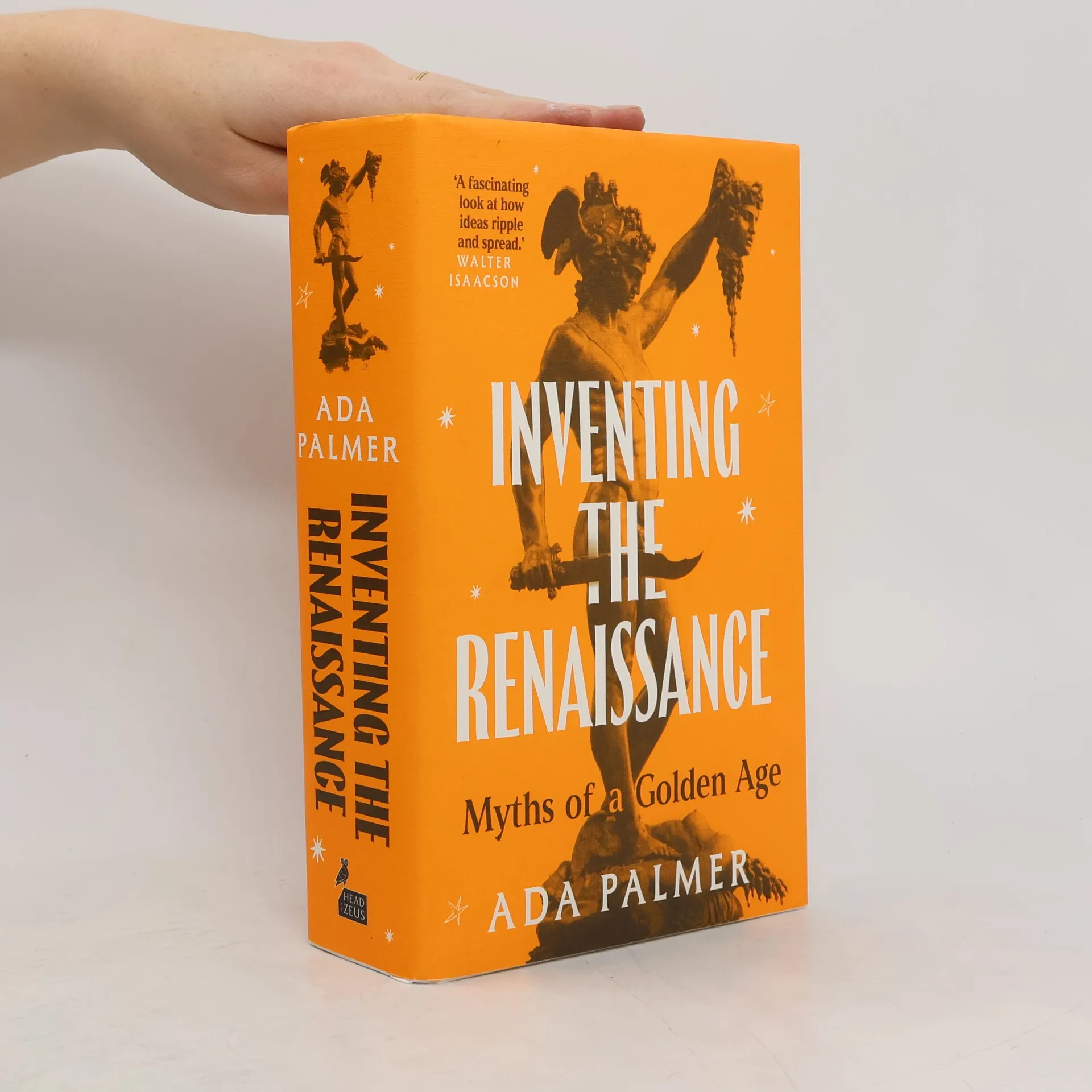
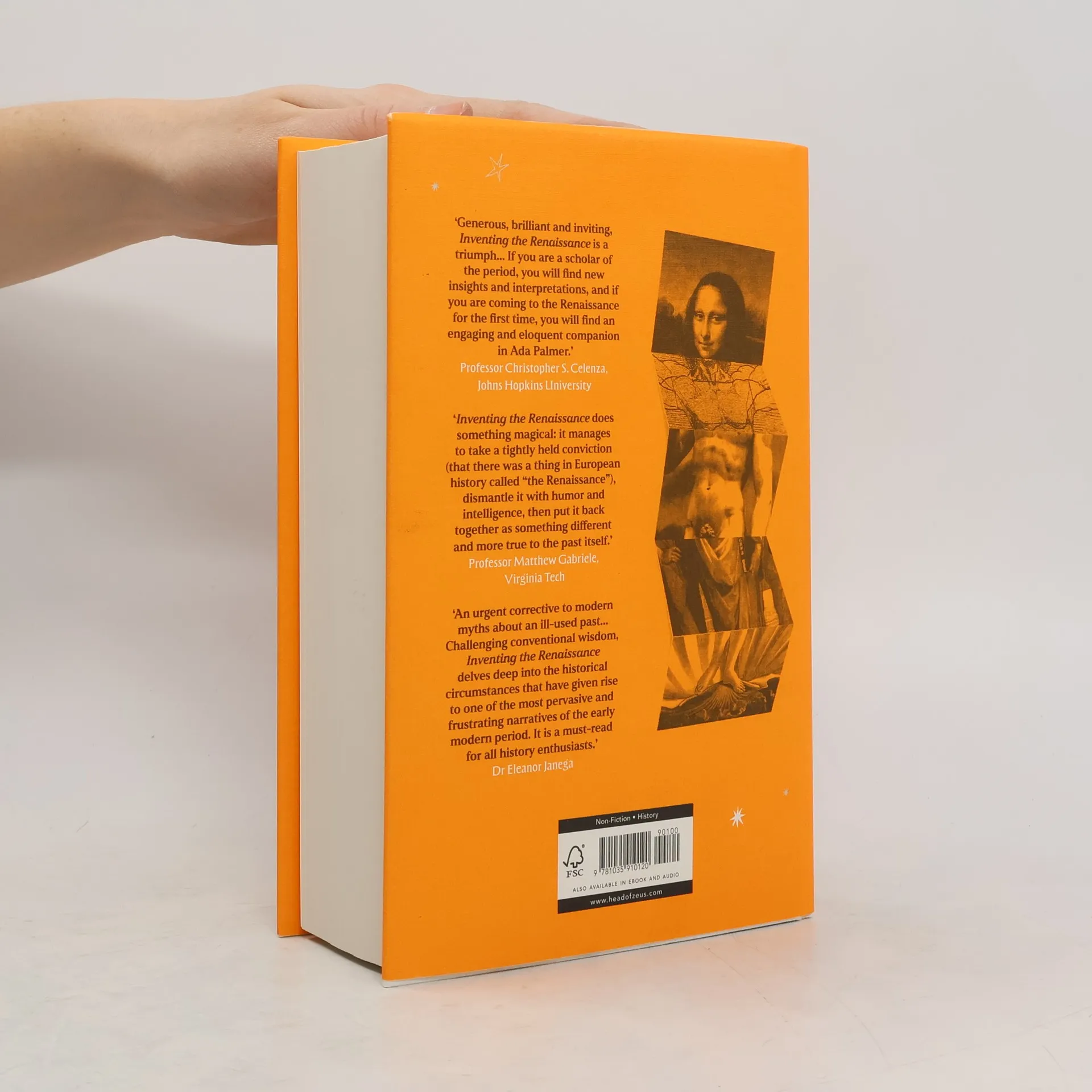
An irreverent new take on the Renaissance, which reveals it as anything but Europe's golden age.From the darkness of a plagued and war-torn Middle Ages, the Renaissance (we're told) heralds the dawning of a new world--a halcyon age of art, prosperity, and rebirth. Hogwash! or so says award-winning novelist and historian Ada Palmer. In Inventing the Renaissance, Palmer turns her witty and irreverent eye on the fantasies we've told ourselves about Europe's not-so-golden age, myths she sets right with sharp clarity.Palmer's Renaissance is altogether desperate. Troubled by centuries of conflict, she argues, Europe looked to a long-lost Roman Empire (even its education practices) to save them from unending war. Later historians met their own political challenges with a similarly nostalgic vision, only now they looked to the Renaissance and told a partial story. To right this wrong, Palmer offers fifteen provocative portraits of Renaissance men and women (some famous, some obscure) whose lives reveal a far more diverse, fragile, and wild Renaissance than its glowing reputation suggests.
Zakup książki
Inventing the Renaissance, Ada Palmer
- Język

- Rok wydania
- 2025
- Oprawa
- (twarda)
Metody płatności
Brakuje nam tutaj Twojej recenzji.
- Tytuł
- Inventing the Renaissance
- Podtytuł
- The Myth of a Golden Age
- Język
- angielski
- Autorzy
- Ada Palmer
- Wydawca
- Apollo
- Rok wydania
- 2025
- Oprawa
- twarda
- Liczba stron
- 768
- ISBN10
- 1035910128
- ISBN13
- 9781035910120
- Seria
- Kategorie
- Tagi
- Renesans, Fakty i mity
- Ocena
- 4,35 z 5
- Opis
- An irreverent new take on the Renaissance, which reveals it as anything but Europe's golden age.From the darkness of a plagued and war-torn Middle Ages, the Renaissance (we're told) heralds the dawning of a new world--a halcyon age of art, prosperity, and rebirth. Hogwash! or so says award-winning novelist and historian Ada Palmer. In Inventing the Renaissance, Palmer turns her witty and irreverent eye on the fantasies we've told ourselves about Europe's not-so-golden age, myths she sets right with sharp clarity.Palmer's Renaissance is altogether desperate. Troubled by centuries of conflict, she argues, Europe looked to a long-lost Roman Empire (even its education practices) to save them from unending war. Later historians met their own political challenges with a similarly nostalgic vision, only now they looked to the Renaissance and told a partial story. To right this wrong, Palmer offers fifteen provocative portraits of Renaissance men and women (some famous, some obscure) whose lives reveal a far more diverse, fragile, and wild Renaissance than its glowing reputation suggests.