


Więcej o książce
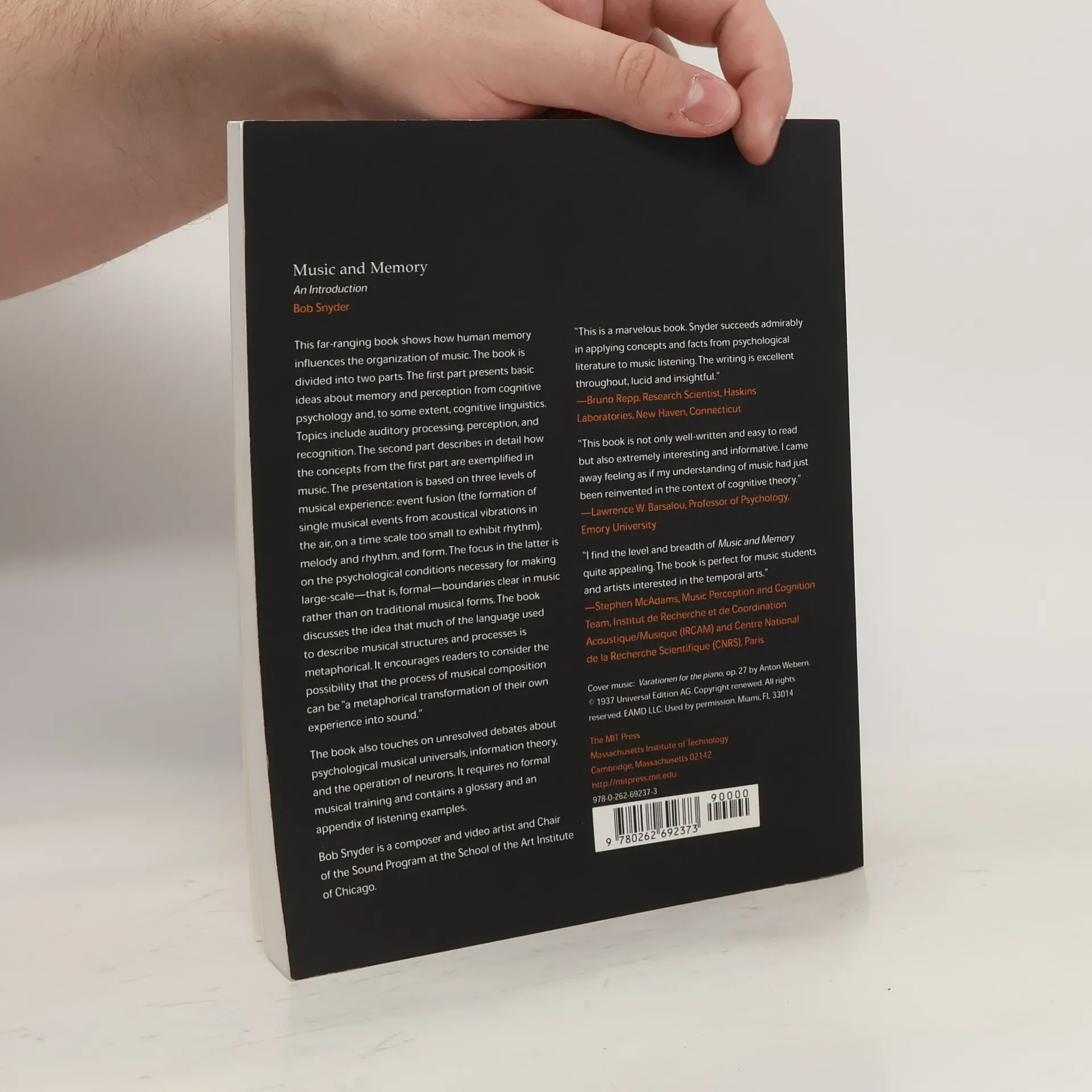
This far-ranging book shows how human memory influences the organization of music. The book is divided into two parts. The first part presents basic ideas about memory and perception from cognitive psychology and, to some extent, cognitive linguistics. Topics include auditory processing, perception, and recognition. The second part describes in detail how the concepts from the first part are exemplified in music. The presentation is based on three levels of musical event fusion (the formation of single musical events from acoustical vibrations in the air, on a time scale too small to exhibit rhythm), melody and rhythm, and form. The focus in the latter is on the psychological conditions necessary for making large-scale—that is, formal—boundaries clear in music rather than on traditional musical forms. The book also discusses the idea that much of the language used to describe musical structures and processes is metaphorical. It encourages readers to consider the possibility that the process of musical composition can be "a metaphorical transformation of their own experience into sound." The book also touches on unresolved debates about psychological musical universals, information theory, and the operation of neurons. It requires no formal musical training and contains a glossary and an appendix of listening examples.
Zakup książki
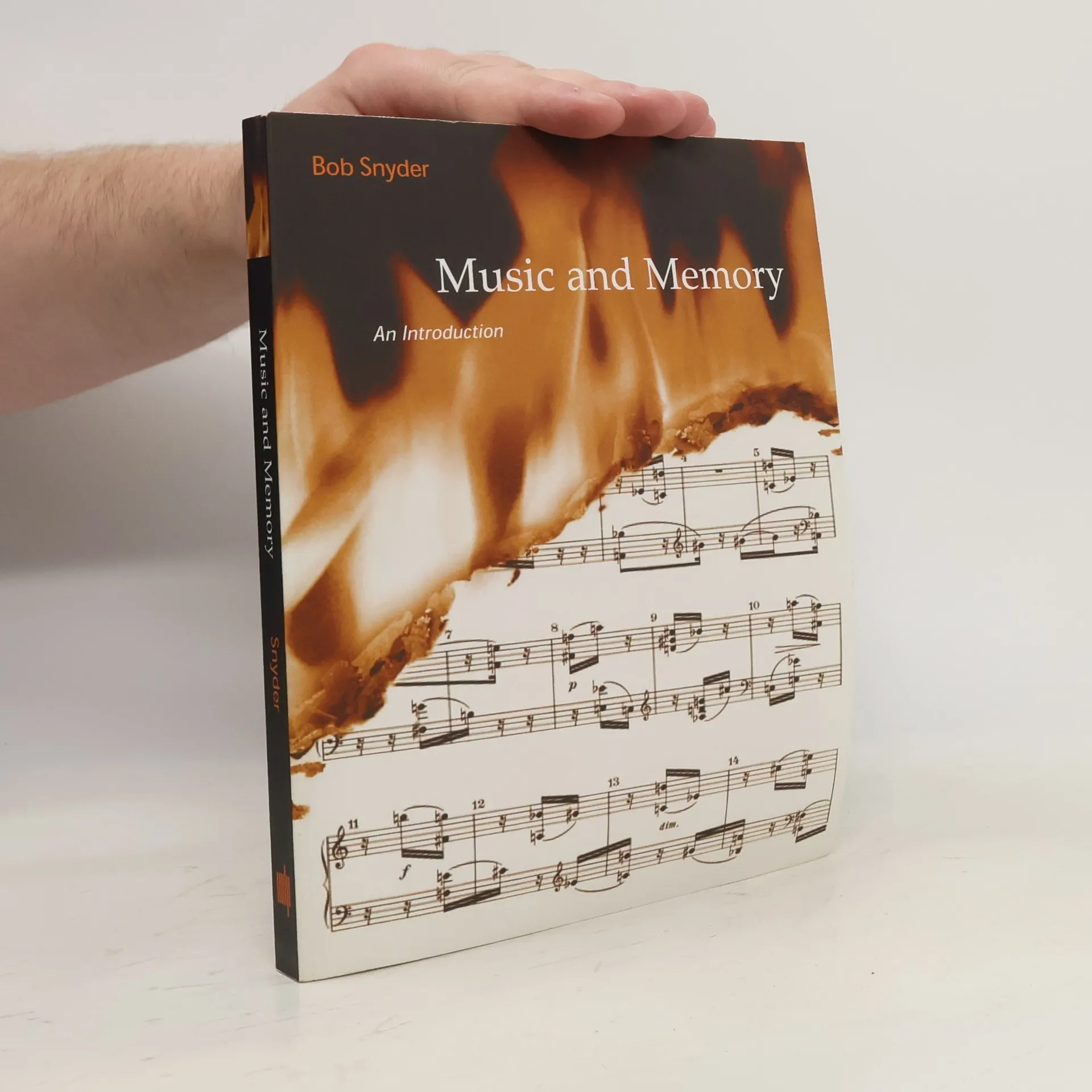
Music and Memory, Bob Snyder
- Język

- Rok wydania
- 2000
- Oprawa
- (miękka)
Metody płatności
Brakuje nam tutaj Twojej recenzji.
- Tytuł
- Music and Memory
- Język
- angielski
- Autorzy
- Bob Snyder
- Wydawca
- MIT Press
- Rok wydania
- 2000
- Oprawa
- miękka
- Liczba stron
- 313
- ISBN10
- 0262692376
- ISBN13
- 9780262692373
- Seria
- Ocena
- 4,4 z 5
- Opis
- This far-ranging book shows how human memory influences the organization of music. The book is divided into two parts. The first part presents basic ideas about memory and perception from cognitive psychology and, to some extent, cognitive linguistics. Topics include auditory processing, perception, and recognition. The second part describes in detail how the concepts from the first part are exemplified in music. The presentation is based on three levels of musical event fusion (the formation of single musical events from acoustical vibrations in the air, on a time scale too small to exhibit rhythm), melody and rhythm, and form. The focus in the latter is on the psychological conditions necessary for making large-scale—that is, formal—boundaries clear in music rather than on traditional musical forms. The book also discusses the idea that much of the language used to describe musical structures and processes is metaphorical. It encourages readers to consider the possibility that the process of musical composition can be "a metaphorical transformation of their own experience into sound." The book also touches on unresolved debates about psychological musical universals, information theory, and the operation of neurons. It requires no formal musical training and contains a glossary and an appendix of listening examples.