



Więcej o książce
Scientific facts can be so complicated that only specialists in a field fully appreciate the details, but the nature of everyday practice that gives rise to these facts should be understandable by everyone interested in science. This book describes how scientists bring their own interests and passions to their work, illustrates the dynamics between researchers and the research community, and emphasizes a contextual understanding of science in place of the linear model found in textbooks with its singular focus on "scientific method."Everyday Practice of Science also introduces readers to issues about science and society. Practice requires value What should be done? Who should do it? Who should pay for it? How much? Balancing scientific opportunities with societal needs depends on appreciating both the promises and the ambiguities of science. Understanding practice informs discussions about how to manage research integrity, conflict of interest, and the challenge of modern genetics to human research ethics. Society cannot have the benefits of research without the risks. The last chapter contrasts the practices of science and religion as reflective of two different types of faith and describes a holistic framework within which they dynamically interact.
Zakup książki
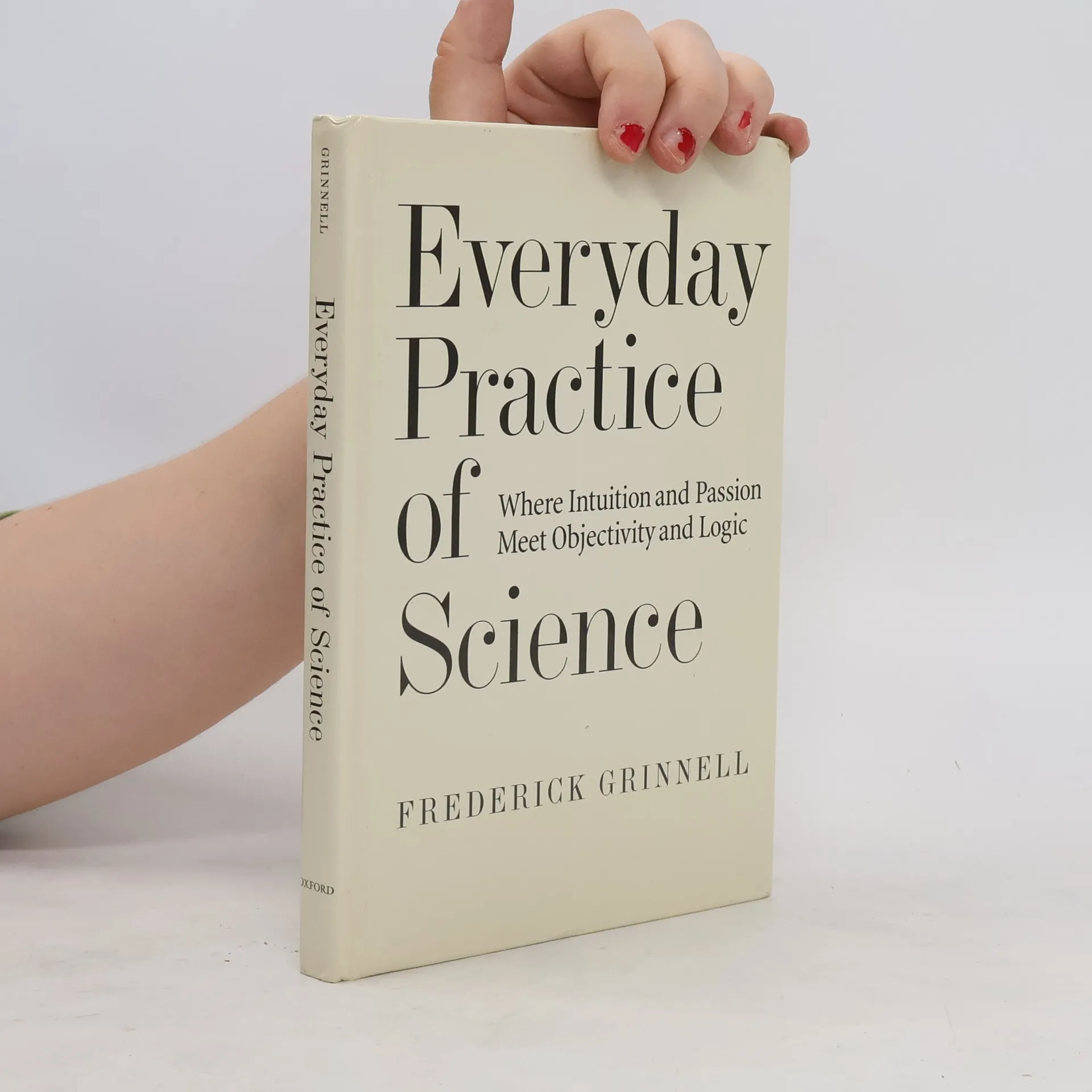
Everyday Practice of Science, Frederick Grinnell
- Język

- Rok wydania
- 2009
- Oprawa
- (twarda)
Metody płatności
Brakuje nam tutaj Twojej recenzji.
- Tytuł
- Everyday Practice of Science
- Język
- angielski
- Autorzy
- Frederick Grinnell
- Wydawca
- Oxford University Press, USA
- Rok wydania
- 2009
- Oprawa
- twarda
- Liczba stron
- 248
- ISBN10
- 0195064577
- ISBN13
- 9780195064575
- Seria
- Kategorie
- Tagi
- Literatura światowa, Nauka
- Ocena
- 3,65 z 5
- Opis
- Scientific facts can be so complicated that only specialists in a field fully appreciate the details, but the nature of everyday practice that gives rise to these facts should be understandable by everyone interested in science. This book describes how scientists bring their own interests and passions to their work, illustrates the dynamics between researchers and the research community, and emphasizes a contextual understanding of science in place of the linear model found in textbooks with its singular focus on "scientific method."Everyday Practice of Science also introduces readers to issues about science and society. Practice requires value What should be done? Who should do it? Who should pay for it? How much? Balancing scientific opportunities with societal needs depends on appreciating both the promises and the ambiguities of science. Understanding practice informs discussions about how to manage research integrity, conflict of interest, and the challenge of modern genetics to human research ethics. Society cannot have the benefits of research without the risks. The last chapter contrasts the practices of science and religion as reflective of two different types of faith and describes a holistic framework within which they dynamically interact.